Understanding Prey Animal Behavior: Why Your Parrot Hides Illness
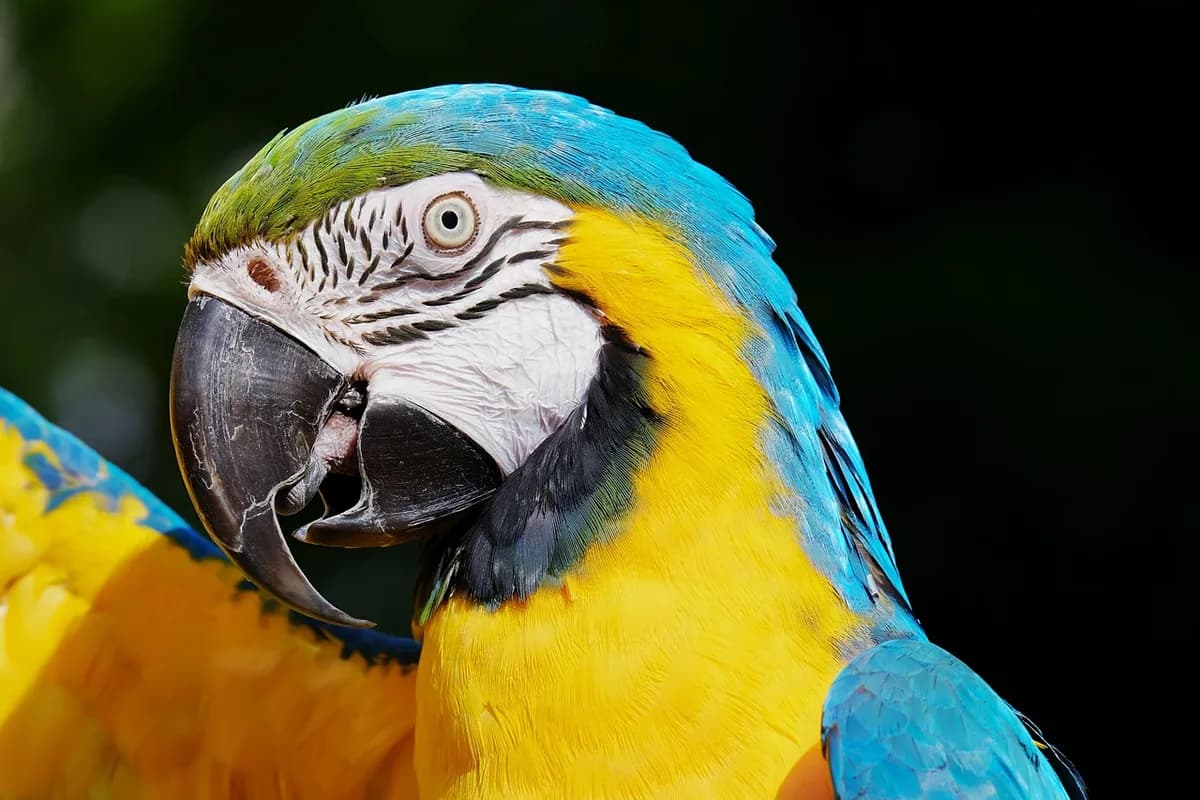
The Hidden Truth About Your Feathered Friend
You rush to your parrot's cage one morning and immediately notice something's wrong. Your usually vibrant, chatty bird is sitting quietly at the bottom of the cage, feathers fluffed, barely acknowledging your presence. Your heart sinks as you realize this isn't just an off day — your bird is seriously ill.
Here's the thing that catches so many loving bird parents off guard: by the time you notice obvious signs of illness in your parrot, they've likely been sick for days, possibly even weeks. This isn't a failure on your part — it's actually your bird's survival instinct working exactly as nature intended. Understanding this prey animal behavior is crucial for every bird parent who wants to keep their feathered friend healthy and safe.
Why Parrots Are Masters of Deception
In the wild, parrots live with a constant awareness that predators are watching. Hawks, snakes, and other threats are always looking for the easiest target — and nothing says "easy meal" like a sick, weakened bird. Over millions of years of evolution, parrots have developed an incredible ability to hide illness and injury until they absolutely cannot anymore.
This survival mechanism means that a wild parrot showing obvious signs of sickness has essentially given up hope. In their natural habitat, once illness becomes visible to the flock (and potential predators), the bird's chances of survival drop dramatically. It's a harsh reality, but it's kept the species alive for millennia.
The challenge for us as pet bird parents is that our domesticated parrots haven't lost this instinct. Even though your bird lives in the safety of your home, their brain is still hardwired to hide vulnerability. They don't understand that showing you they're unwell will get them help, not make them a target.
The Pet Bird Health Challenge
In our experience boarding over 1,000 birds at BST, we've seen countless cases where owners brought us birds they thought were "just having a quiet day," only to discover the bird needed immediate veterinary attention. This isn't because these bird parents weren't attentive — it's because parrots are incredibly good at their deception.
When your parrot finally shows obvious symptoms like:
- Sitting on the cage floor
- Visible difficulty breathing
- Completely stopped eating
- Unable to perch properly
They've likely been fighting illness for much longer than you realize. By this point, what might have been a manageable health issue with early intervention could now be a life-threatening emergency.
The good news is that once you understand this behavior, you can learn to spot the subtle early warning signs that your bird can't completely hide.
Subtle Early Warning Signs to Watch For
Your parrot may be a master of disguise, but they can't hide everything. Here are the early signs that often slip through their defenses:
Changes in Droppings
Normal bird droppings have three components: feces (solid, usually green or brown), urates (white or cream colored), and urine (clear liquid). Watch for:
- Changes in color, consistency, or frequency
- Increase in urine portion
- Blood in droppings
- Completely liquid droppings
- Significant decrease in dropping size or frequency
Appetite and Eating Behavior Changes
- Eating less food overall (even if they're still eating)
- Taking longer to finish meals
- Playing with food more than eating it
- Preferring only certain foods when they usually eat variety
- Drinking significantly more or less water
Physical Appearance Shifts
- Feathers fluffed for longer periods (especially when it's not cold)
- Tail bobbing slightly with breathing
- Eyes appearing less bright or alert
- Slight changes in posture
- Spending more time sleeping during normal active hours
Behavioral Changes
- Less vocalization than usual
- Reduced interaction with you or toys
- Sitting lower on perches or closer to food/water
- Less preening or grooming
- Subtle changes in their normal routine
Important: Trust your instincts. You know your bird better than anyone. If something feels "off," even if you can't pinpoint exactly what, it's worth investigating further.
The Power of Daily Observation
The key to catching illness early is establishing a routine of daily observation. This doesn't mean hovering anxiously over your bird's cage — it means being mindfully present during your regular interactions.
Morning Check-In
When you uncover your bird's cage each morning, take a moment to really look:
- Are they greeting you as enthusiastically as usual?
- Are they positioned normally on their perch?
- Do their droppings from overnight look normal?
- Are their eyes bright and alert?
Throughout the Day
During feeding, play time, and casual interactions, notice:
- Appetite and eating behavior
- Energy levels during play
- Vocalization patterns
- Social interaction levels
Evening Assessment
Before covering your bird for the night:
- Check their overall posture and alertness
- Observe their settling-in routine
- Note any changes from their morning state
Regular Weighing: Your Best Early Detection Tool
Here's something many bird parents don't realize: weight loss is often the very first detectable sign of illness in parrots, appearing days or even weeks before other symptoms. A gram scale designed for birds (available for $20-40) can be your most valuable health monitoring tool.
How to Weigh Your Bird
- Weigh at the same time each day (preferably morning before eating)
- Use the same scale in the same location
- Record the weight in a log or app
- Look for trends, not daily fluctuations
What Weight Changes Mean
- 5-10% weight loss: Early warning sign requiring attention
- More than 10% weight loss: Veterinary consultation recommended
- Sudden weight gain: Can indicate egg-laying in females or other issues
Pro Tip: Train your bird to step onto the scale voluntarily by making it part of their routine and rewarding them with treats. This reduces stress and makes monitoring easier.
Establishing Your Bird's Normal Baseline
Every bird is an individual with their own personality, habits, and quirks. What's normal for one bird might be concerning for another. Spend time learning your specific bird's baseline behaviors:
Document Normal Patterns
- Typical wake-up and bedtime behaviors
- Usual vocalization schedule and volume
- Normal eating habits and food preferences
- Regular activity levels throughout the day
- Typical social interaction patterns
- Normal dropping appearance and frequency
Create a Simple Health Log
Track basic daily observations:
- Weight (if you're weighing regularly)
- Appetite (good, fair, poor)
- Activity level (normal, quiet, hyperactive)
- Droppings (normal, changes noted)
- Any unusual behaviors or observations
The Importance of Regular Veterinary Care
Even with excellent daily observation, regular check-ups with an avian veterinarian are essential. We recommend annual wellness exams for healthy adult birds, and more frequent visits for seniors or birds with ongoing health concerns.
What Avian Vets Can Detect
Professional veterinary exams can reveal:
- Internal issues not visible externally
- Early signs of common bird diseases
- Nutritional deficiencies
- Reproductive issues
- Age-related changes requiring attention
Building a Relationship with Your Vet
Having an established relationship with an avian veterinarian means:
- They know your bird's normal baseline
- You have someone to call with concerns
- Emergency situations can be handled more efficiently
- Preventive care plans can be tailored to your bird
Warning: Not all veterinarians are experienced with birds. Seek out an avian specialist or a vet with significant bird experience for the best care.
Final Thoughts
Understanding your parrot's prey animal instincts doesn't mean living in constant worry — it means being an informed, observant bird parent. By recognizing that your bird is naturally programmed to hide illness, you can adapt your care approach to catch problems early when they're most treatable.
The combination of daily observation, regular weighing, established baselines, and routine veterinary care creates a safety net that works with your bird's natural behavior rather than against it. Your parrot may be trying to hide their vulnerabilities, but with the right knowledge and tools, you can be their health advocate and ensure they get the care they need when they need it most.
Remember, catching illness early isn't just about extending your bird's life — it's about ensuring those years are comfortable, healthy, and full of the joy that makes parrots such incredible companions.
Explore related topics
Related Articles
The 20 Biggest Mistakes New Bird Owners Make
We all make mistakes as new bird owners. Here are the 20 most common — and how to avoid them.
Do Parrots Feel Jealousy? Understanding Possessive Behavior
Your parrot lunges at your partner when they sit near you. Is it jealousy? The science says yes — here's what to do.

Fireworks and Loud Noises: Protecting Your Parrot from Sound Stress
Canada Day, New Year's, thunderstorms — loud events can traumatize your bird. Here's how to protect them.