Understanding Your Parrot's Flocking Instinct
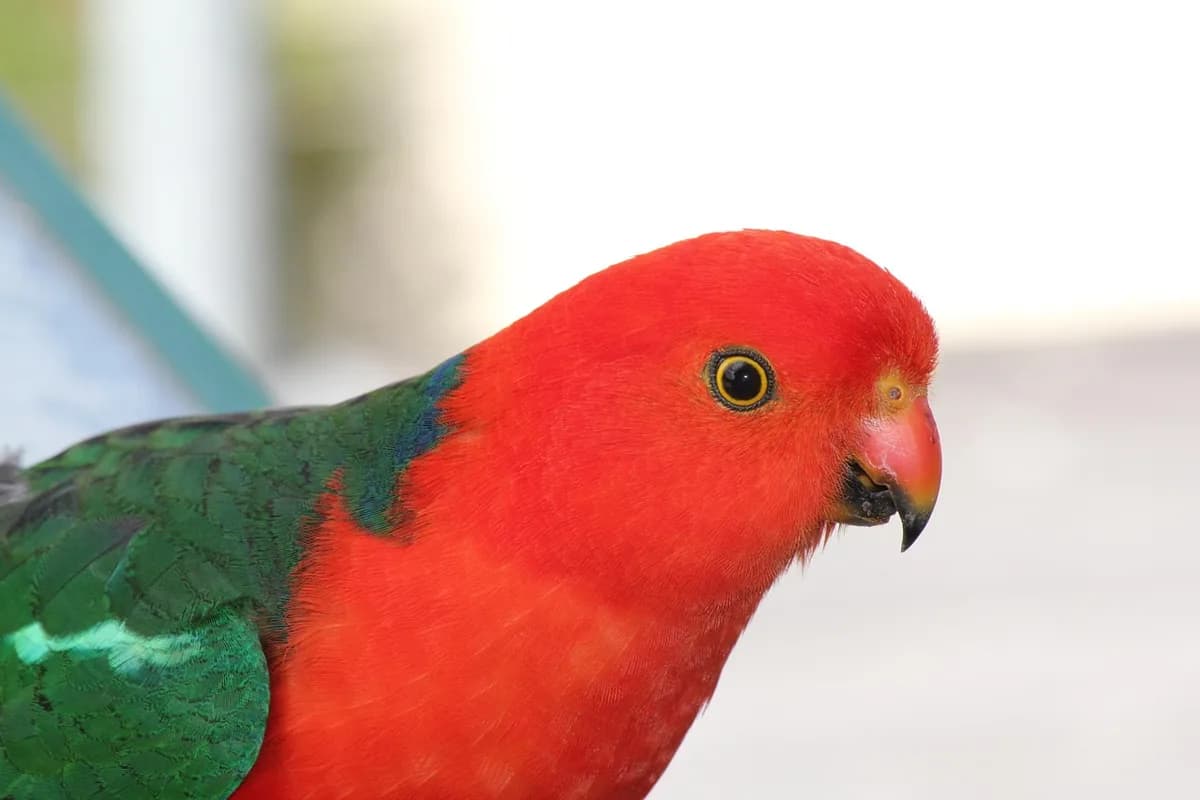
The Heart of Your Parrot's Social World
Your parrot's piercing morning calls, their insistence on being wherever you are, and even their jealous reactions to your attention being elsewhere — these aren't quirks or behavioral problems. They're expressions of one of the most fundamental aspects of parrot psychology: the flocking instinct.
In our experience boarding over 1,000 birds at Bird Sitting Toronto, we see this instinct play out daily. Birds who arrive as strangers quickly form temporary flocks, calling to each other across rooms and showing visible distress when separated from their newly-formed group. Understanding this deep-seated need for flock connection is key to building a stronger relationship with your feathered companion.
How Flocks Function in the Wild
To understand your parrot's behavior at home, we need to look at how flocks operate in their natural habitat. Wild parrots live in complex social structures that serve multiple survival functions.
Safety Through Numbers
The primary function of flocking is protection. In a flock, there are always eyes watching for predators. When one bird spots danger, the entire flock can react instantly. This is why your parrot becomes agitated when they can't see you — their flock leader has disappeared, leaving them vulnerable.
Wild flocks maintain constant vocal contact throughout the day. These aren't random squawks; they're sophisticated communication systems that keep the flock coordinated and safe. When you hear your bird calling from their cage in the morning, they're essentially doing a "roll call" to make sure their flock (your family) is present and accounted for.
Coordinated Foraging
Flocks also work together to find food. Experienced birds lead younger ones to productive foraging sites, and the group shares information about food quality and safety. This collective intelligence means better nutrition and survival for everyone.
Social Learning Hub
Perhaps most importantly, flocks are learning environments. Young parrots learn everything from foraging techniques to predator recognition by watching and mimicking older, experienced birds. This social learning is so ingrained that parrots continue seeking these educational interactions throughout their lives.
Your Human Family as Flock
When you bring a parrot into your home, something remarkable happens: they don't see themselves as a pet living with humans. In their mind, they've joined a new flock species. Your family becomes their flock, with all the complex social dynamics that entails.
Here's the thing — this isn't a case of mistaken identity. Your parrot knows you're not a bird, but their social instincts are so strong that they adapt their flocking behaviors to include you. This is actually a testament to their intelligence and social flexibility.
Establishing Flock Hierarchy
Within your household flock, your parrot will naturally establish relationships and hierarchies. They might choose one family member as their "mate," another as a trusted flock member, and view others with suspicion or jealousy. This isn't personal — it's instinct.
We often see this at BST when birds arrive with strong preferences for certain caregivers. A bird might immediately warm up to one staff member while remaining wary of others, based on subtle cues that remind them of their preferred human flock members.
How Flocking Instinct Drives Common Behaviors
Understanding the flock mentality explains many behaviors that frustrate parrot owners. Let's break down the most common ones:
Contact Calling (The Morning Scream Session)
Those ear-piercing calls at dawn and dusk? That's contact calling — your bird's way of checking in with their flock. In the wild, flocks engage in these vocal roll calls at the beginning and end of each day.
Why it happens:
- Ensures all flock members are safe and present
- Coordinates daily activities
- Maintains social bonds
What you can do:
- Call back! A simple "Good morning!" acknowledges their communication
- Establish a routine so they know when to expect family interaction
- Don't ignore the calls entirely — this increases anxiety
Jealousy and Territorial Behavior
When your parrot lunges at your partner or screams when you talk to someone else, they're not being mean. They're protecting their position in the flock hierarchy and ensuring their primary bond remains strong.
Separation Anxiety
Your parrot's distress when you leave isn't just missing you — it's the terror of being separated from their flock. In the wild, a lone parrot is a dead parrot.
Pro Tip: Never sneak out to avoid goodbye drama. Always let your bird know you're leaving and that you'll return. This builds trust and reduces anxiety.
Fulfilling Your Parrot's Flock Needs
The good news is that you can satisfy your parrot's flocking instincts in ways that work for both of you. Here are practical strategies we recommend:
Establish Flock Communication
Morning and evening check-ins: Respond to your bird's contact calls with your own vocalizations. It doesn't have to be elaborate — a cheerful "Good morning, Charlie!" works perfectly.
Throughout-the-day contact: When you're in another room, occasionally call out to your bird. They'll likely call back, maintaining that crucial flock connection.
Shared Mealtimes
In the wild, flocks forage together. You can replicate this by:
- Offering fresh foods when your family eats
- Eating near your bird's cage occasionally
- Letting them see you prepare their food (social learning in action)
Visual Access to Family Activities
Your parrot needs to feel included in flock activities, even when they can't directly participate:
Strategic cage placement: Position their cage where they can observe daily family life — the kitchen, living room, or wherever your family naturally gathers.
Portable perches: Use training perches or play stands to include your bird in different rooms throughout the day.
Family time inclusion: Let your bird observe (safely) while you cook, watch TV, or do homework. They don't always need to be the center of attention, but they need to feel part of the group.
Creating Routine and Predictability
Flocks thrive on routine. Your parrot will feel more secure when they can predict flock activities:
- Consistent wake-up and bedtime routines
- Regular out-of-cage time
- Predictable meal schedules
- Clear signals for when family members are leaving and returning
Temporary Flocks: What We Observe at BST
One of the most fascinating things we witness during boarding is how quickly birds form temporary flocks with each other and our staff. Birds who have never met will begin coordinating their calls within hours, often creating a morning chorus that includes every bird in the facility.
We've seen shy birds gain confidence by observing bolder birds, and anxious birds calm down when they realize they're part of a group again. Some birds even show distress when their temporary flock mates go home before they do.
This reinforces how deeply ingrained the flocking instinct is — it's not learned behavior, it's hardwired survival programming.
Supporting Your Bird During Boarding
Understanding flocking instinct also helps explain why some birds adapt to boarding better than others. Birds with strong flock bonds at home might initially struggle more, while birds who feel isolated at home might actually thrive in the social environment.
Final Thoughts
Your parrot's flocking instinct isn't something to fight against — it's something to work with. When you understand that your bird sees your family as their flock, their behaviors make perfect sense. The morning calls become greetings, the jealousy becomes flock loyalty, and the need for constant contact becomes a natural desire for social connection.
By fulfilling these instinctual needs thoughtfully, you're not just managing behavior — you're honoring your bird's true nature while building a deeper, more satisfying relationship. Remember, in choosing to live with humans, your parrot has made you their chosen flock. That's both an honor and a responsibility worth embracing.
Explore related topics
Related Articles
The 20 Biggest Mistakes New Bird Owners Make
We all make mistakes as new bird owners. Here are the 20 most common — and how to avoid them.
Do Parrots Feel Jealousy? Understanding Possessive Behavior
Your parrot lunges at your partner when they sit near you. Is it jealousy? The science says yes — here's what to do.
Fireworks and Loud Noises: Protecting Your Parrot from Sound Stress
Canada Day, New Year's, thunderstorms — loud events can traumatize your bird. Here's how to protect them.