Understanding Parrot Sleep: Positions, Behaviors, and What's Normal
The Secret World of Your Parrot's Sleep
Have you ever watched your parrot settle in for the night and wondered what's really going on behind those sleepy eyes? Sleep is one of the most important aspects of your bird's health, yet it's something many parrot parents don't fully understand. In our experience boarding over 1,000 birds at BST, we've observed fascinating sleep behaviors that can tell us so much about a bird's wellbeing.
Your parrot's sleep patterns and positions aren't just adorable — they're windows into their physical and emotional health. Let's explore the wonderful world of parrot sleep together, so you can better understand what's normal, what to watch for, and how to create the perfect sleep environment for your feathered friend.
Normal Sleep Positions: Reading Your Bird's Body Language
When your parrot settles down for the night, they'll typically adopt one of several classic sleep positions that might look uncomfortable to us but are perfectly natural for them.
The Classic One-Foot Tuck
The most common sleep position you'll see is your parrot standing on one foot while tucking the other up into their belly feathers. This isn't just for warmth — it's actually an energy-saving mechanism that reduces heat loss and allows one leg to rest while the other maintains balance.
Head Turned and Tucked
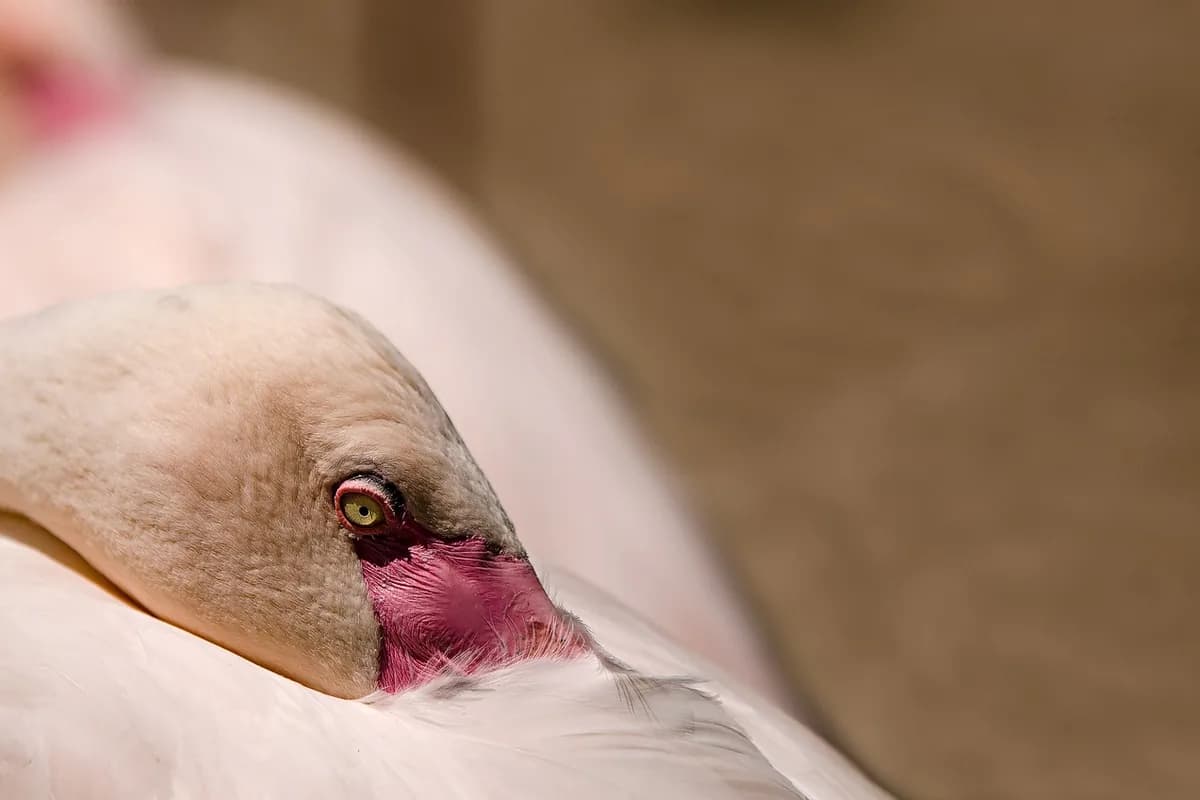
You'll often notice your bird turning their head around and tucking it into the feathers on their back or under their wing. This position protects their head and neck while keeping their airways clear. It might look like an impossible yoga pose, but parrots are incredibly flexible!
The Fluffed-Up Ball
When birds feel safe and comfortable, they'll fluff up their feathers significantly during sleep, creating what looks like a feathery ball. This traps warm air close to their body and is a great sign that your bird feels secure in their environment.
Pro Tip: If your bird is sleeping in these natural positions, it's a good indicator that they feel safe and are getting quality rest.
Beak Grinding: The Sound of Contentment
Here's something that surprises many new parrot parents — that soft grinding sound your bird makes before falling asleep isn't a sign of distress. Beak grinding is actually one of the most beautiful sounds in the parrot world because it signals complete contentment and relaxation.
This gentle grinding helps keep their beak in good condition, similar to how we might stretch before bed. When you hear this sound, you can feel confident that your bird is happy, comfortable, and ready for a good night's sleep.
How Much Sleep Do Parrots Really Need?
The answer might surprise you — parrots need significantly more sleep than most people realize. Here's what we recommend based on species:
Sleep Requirements by Size
| Bird Size | Recommended Sleep | Notes |
|---|---|---|
| Small birds (budgies, cockatiels) | 10-12 hours | Higher metabolism requires more rest |
| Medium birds (conures, caiques) | 10-12 hours | Active during day, need full recovery |
| Large birds (amazons, greys) | 10-12 hours | Complex brains need adequate rest |
| Very large birds (macaws, cockatoos) | 10-12 hours | Longer sleep cycles, deeper rest |
The key here is uninterrupted darkness. Your bird's internal clock is incredibly sensitive to light, and even small amounts can disrupt their natural sleep cycles.
Why Darkness Matters
In the wild, parrots follow the natural rhythm of sunrise and sunset. Artificial lighting in our homes can confuse their internal clocks, leading to hormonal imbalances, behavioral issues, and health problems. This is why many parrot parents invest in sleep cages or blackout covers.
Do Parrots Dream? The Science of Avian Sleep
Here's something fascinating — yes, parrots do dream! Research on zebra finches has documented REM (Rapid Eye Movement) sleep in birds, during which brain activity is similar to what we see in dreaming mammals.
During REM sleep, birds may:
- Move their heads slightly
- Make soft vocalizations
- Show small muscle twitches
- Process the day's learning and experiences
We've observed birds at BST making quiet sounds or small movements during deep sleep, and it's amazing to think they might be dreaming about flying, foraging, or interacting with their flock.
Creating the Perfect Sleep Environment
The Sleep Cage vs. Sleep Tent Debate
This is a topic that comes up frequently, and here's our honest take: sleep cages are generally safer and more beneficial than sleep tents.
Sleep Cages: The Safer Choice
- Provide security without hormonal triggers
- Allow for natural perching positions
- Easy to clean and maintain
- Can be covered for complete darkness
Sleep Tents: Proceed with Caution Sleep tents might seem cozy, but they can create several problems:
- May trigger hormonal behaviors and breeding instincts
- Can become territorial spaces leading to aggression
- Pose potential safety hazards if threads come loose
- May encourage regressive behaviors
Important: If your bird is already bonded to a sleep tent and shows no behavioral issues, you don't need to remove it abruptly. However, for new setups, we recommend starting with a sleep cage.
Setting Up for Success
- Choose the right location: Quiet, away from household activity
- Ensure complete darkness: Blackout covers or a separate room
- Maintain comfortable temperature: 65-75°F is ideal for most species
- Provide appropriate perches: Natural wood branches of varying diameters
- Keep it simple: Water, maybe a small amount of food, but avoid toys that might encourage play
Night Frights: When Sleep Goes Wrong
Night frights are sudden panic episodes that can happen when birds are startled during sleep. They're more common than you might think, and knowing how to handle them is crucial.
Common Triggers
- Sudden noises (sirens, loud neighbors)
- Movement or shadows
- Other pets moving around
- Changes in lighting
How to Respond
- Stay calm: Your energy affects your bird
- Turn on a dim light: Never bright overhead lights
- Speak softly: Let them know you're there
- Check for injuries: Night frights can cause physical harm
- Identify the trigger: Try to prevent future episodes
Warning: Night frights can cause serious injuries. If your bird has frequent episodes, consult an avian veterinarian to rule out underlying health issues.
Red Flags: Signs of Sleep Problems
Not all sleep behaviors are normal. Here's what to watch for:
Concerning Sleep Patterns
- Sleeping during the day: Could indicate illness or insufficient nighttime sleep
- Inability to perch while sleeping: May suggest weakness or neurological issues
- Restless sleep: Frequent position changes or inability to settle
- Sleeping on the cage bottom: Often a sign of illness
- No beak grinding: Absence of this contentment signal over time
When to Consult a Veterinarian
- Sudden changes in sleep patterns
- Sleeping significantly more or less than usual
- Physical signs of distress during sleep
- Inability to maintain normal sleep positions
- Excessive night frights
Final Thoughts
Understanding your parrot's sleep is about more than just ensuring they get enough rest — it's about recognizing the intricate ways they communicate their comfort, health, and happiness. When you see your bird tucked into that perfect one-footed position, grinding their beak contentedly, you're witnessing millions of years of evolution at work.
The good news is that creating a healthy sleep environment for your parrot doesn't require expensive equipment or complicated routines. Consistent darkness, a safe space, and respect for their natural rhythms are the foundations of good sleep hygiene.
Remember, every bird is an individual. Some may be early risers, others night owls within their species' normal range. The key is observing your bird's patterns and ensuring they're getting the quality rest they need to thrive. Sweet dreams to you and your feathered friend!
Explore related topics
Related Articles
Night Frights in Birds: Causes, Prevention, and What to Do
Night frights can injure or kill a bird. Cockatiels are especially prone. Here's how to prevent them.
Natural Sleep Cycles: How Much Sleep Does Your Parrot Really Need?
Sleep deprivation is one of the most overlooked health issues in pet birds. Learn about your parrot's natural sleep needs.
Building Natural Branch Perches: A Step-by-Step Guide
Natural branches are the best perches — varied diameter, texture, and chewing opportunity. Here's how to prepare them safely.