Natural Sleep Cycles: How Much Sleep Does Your Parrot Really Need?
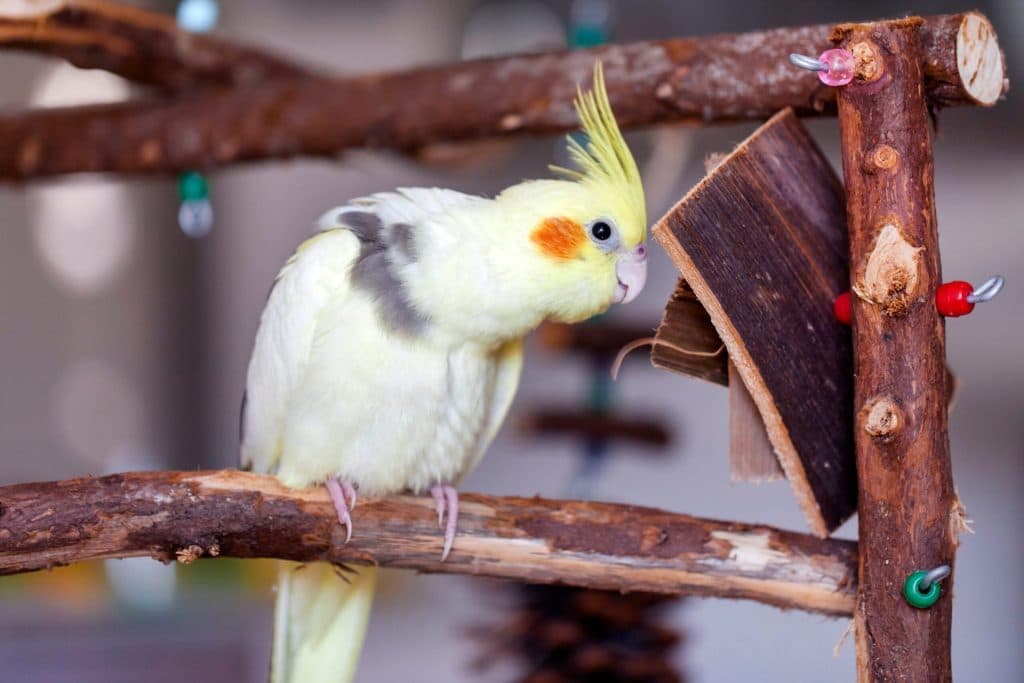
The Foundation of Happy Birds: Understanding Your Parrot's Sleep Needs
If you've ever wondered why your normally sweet parrot turns into a feathered tornado of screaming and biting, the answer might be simpler than you think: they're probably exhausted. Just like cranky toddlers, sleep-deprived parrots can become behavioral nightmares, and unfortunately, many bird parents don't realize just how critical proper sleep is for their feathered friends.
Here's the thing — parrots aren't like cats or dogs when it comes to sleep. They need a solid 10-12 hours of uninterrupted darkness every single night, and when they don't get it, everything from their mood to their hormones goes haywire. In our experience boarding over 1,000 birds at BST, we've seen firsthand how dramatically proper sleep schedules can transform even the most challenging behavioral cases.
How Much Sleep Do Parrots Actually Need?
The magic number for most parrot species is 10-12 hours of complete, uninterrupted darkness every night. Notice I said darkness, not just quiet time with the lights dimmed. Your bird needs true darkness — the kind where they can't see their own foot in front of their face.
This isn't negotiable or flexible based on your schedule. Whether you have a tiny budgie or a massive macaw, whether you're a night owl or an early bird, your parrot's sleep needs remain consistent. They're hardwired for this rhythm, and fighting it will only lead to problems.
Species-Specific Considerations
While the 10-12 hour rule applies across the board, some species have additional considerations:
- Cockatiels are particularly sensitive to sleep disruption and prone to night frights
- African Greys can become especially neurotic and pluck when sleep-deprived
- Amazons may become more aggressive and hormonal without adequate rest
- Cockatoos can develop intense screaming patterns when overtired
Important: Young birds (under one year) may need even more sleep — up to 14 hours — to support their rapid growth and development.
The Hidden Costs of Sleep Deprivation
When parrots don't get enough quality sleep, the behavioral fallout can be dramatic and frustrating. We see this constantly with new boarding clients whose birds arrive wound up and difficult to handle, only to transform into calm, sweet companions after just a few nights of proper sleep.
Behavioral Problems from Poor Sleep
Increased Aggression and Biting Sleep-deprived parrots become irritable and quick to bite. What might normally be a gentle step-up request becomes a finger-threatening encounter. The bird isn't being "bad" — they're literally too tired to cope with normal interactions.
Excessive Screaming Overtired parrots often become loud and demanding, screaming for attention or seemingly for no reason at all. This creates a vicious cycle where the noise disrupts their own sleep schedule even further.
Feather Plucking and Self-Mutilation Chronic sleep deprivation creates stress, and stressed parrots often turn to destructive behaviors like feather plucking. We've seen birds stop plucking entirely once their sleep schedule is corrected.
Hormonal Chaos Poor sleep disrupts hormone production, leading to chronic egg-laying in females, increased territorial behavior, and inappropriate sexual behaviors like regurgitation or masturbation.
Physical Health Impacts
Beyond behavior, sleep deprivation weakens your bird's immune system, making them more susceptible to infections and illness. It also affects their ability to process and store memories, impacting training and bonding.
Creating the Perfect Sleep Environment
Setting up proper sleep conditions doesn't require expensive equipment — just consistency and attention to detail.
The Darkness Factor
Your parrot needs complete darkness for quality sleep. This means:
- No streetlights filtering through windows
- No LED displays from electronics
- No light from hallways or other rooms
- No "night lights" for your comfort
Cage Covers: Your Best Friend
A high-quality cage cover is essential for most households. Look for covers that:
- Block light completely (hold it up to a bright light to test)
- Allow adequate air circulation
- Fit securely without gaps
- Are made from breathable, washable fabric
Pro Tip: We use thick, dark covers at BST that create a cave-like environment. Many birds actually prefer this cozy feeling and will go to their cage willingly at bedtime once they associate the cover with rest.
Location Matters
The ideal sleep location should be:
- Quiet — away from household noise and activity
- Secure — where the bird feels safe from perceived threats
- Temperature stable — not too hot or cold
- Consistent — the same spot every night
Establishing a Routine
Birds thrive on routine, and bedtime should be no exception. At BST, we follow a strict automated lighting schedule that turns lights off at exactly 8 PM and on at 8 AM, giving our boarding birds the full 12 hours they need.
Your routine might include:
- Dimming household lights 30 minutes before bedtime
- Offering a small bedtime snack
- Covering the cage at the same time each night
- Speaking in quiet, soothing tones
- Uncovering at the same time each morning
Night Frights: When Sleep Goes Wrong
Night frights are sudden episodes where birds panic in the dark, often thrashing around their cage and potentially injuring themselves. While any parrot can experience them, cockatiels are particularly prone to these terrifying episodes.
Common Triggers
- Sudden noises (sirens, car doors, other pets)
- Shadows or movement outside windows
- Changes in air pressure from heating/cooling systems
- Unfamiliar scents or sounds
- Stress from changes in routine or environment
Prevention Strategies
Consistent Environment Keep your bird's sleep area as predictable as possible. Sudden changes in furniture placement or new objects can trigger anxiety.
Sound Management Consider white noise or soft, consistent background sounds to mask sudden noises. Some bird parents find that leaving a radio on very low helps.
Security Placement Position the cage so your bird feels secure — ideally with their back to a wall and a clear view of the room's entrance.
Warning: If your bird experiences frequent night frights, consult an avian veterinarian. Sometimes underlying health issues or vision problems contribute to these episodes.
The Separate Sleep Cage Debate
Many experienced bird keepers swear by separate sleep cages, and there are compelling reasons to consider this setup.
Benefits of a Sleep Cage
Optimal Sleep Environment A dedicated sleep cage can be placed in the quietest, darkest room of your house, away from household activity.
Easier Routine Management You can cover and uncover the sleep cage without disrupting toys, food, or water in the main cage.
Reduced Hormonal Triggers Sleep cages are typically smaller and more basic, which can help reduce territorial and nesting behaviors.
Better for Multiple Birds If you have multiple parrots, individual sleep cages prevent one bird's restlessness from disturbing others.
Setting Up a Sleep Cage
A proper sleep cage should include:
- Appropriate perches (natural wood, varying diameters)
- A single water source
- No toys or stimulating objects
- Adequate size for the bird to stretch and turn around comfortably
- Easy access for the bird to enter willingly
Pro Tip: Introduce the sleep cage gradually during the day, allowing your bird to explore and become comfortable before expecting them to sleep there.
Troubleshooting Common Sleep Problems
"My bird won't go to bed early enough" Start gradually, moving bedtime 15 minutes earlier each night until you reach the target time. Make the process positive with treats and gentle encouragement.
"My bird screams when I cover the cage" This often indicates fear or discomfort with the cover. Try partial covering first, or use a different type of cover. Some birds prefer gradual dimming to sudden darkness.
"My bird keeps waking up during the night" Look for environmental triggers — sounds, lights, temperature changes, or air movement. Sometimes repositioning the cage or adding sound insulation helps.
"My bird seems fine with less sleep" Just because your bird appears functional doesn't mean they're thriving. Chronic sleep deprivation often shows up as subtle behavioral changes or increased susceptibility to illness over time.
Final Thoughts
Proper sleep isn't a luxury for parrots — it's a biological necessity that affects every aspect of their health and behavior. The good news is that establishing healthy sleep habits is one of the most impactful things you can do for your bird's wellbeing, and the results are often visible within just a few days.
At BST, we've seen countless birds transform from stressed, aggressive, or neurotic to calm and happy simply through consistent, quality sleep. Your bird's sleep schedule might require some adjustments to your own routine, but the payoff in terms of behavior, health, and your relationship with your feathered friend is absolutely worth it.
Remember, every hour of proper sleep you provide is an investment in your bird's long-term happiness and health. Sweet dreams make for sweet birds!
Explore related topics
Related Articles

Night Frights in Birds: Causes, Prevention, and What to Do
Night frights can injure or kill a bird. Cockatiels are especially prone. Here's how to prevent them.
Understanding Parrot Sleep: Positions, Behaviors, and What's Normal
Why does your bird sleep on one foot? Tuck their head? Grind their beak? Here's the science of parrot sleep.
Building Natural Branch Perches: A Step-by-Step Guide
Natural branches are the best perches — varied diameter, texture, and chewing opportunity. Here's how to prepare them safely.