Night Frights in Birds: Causes, Prevention, and What to Do
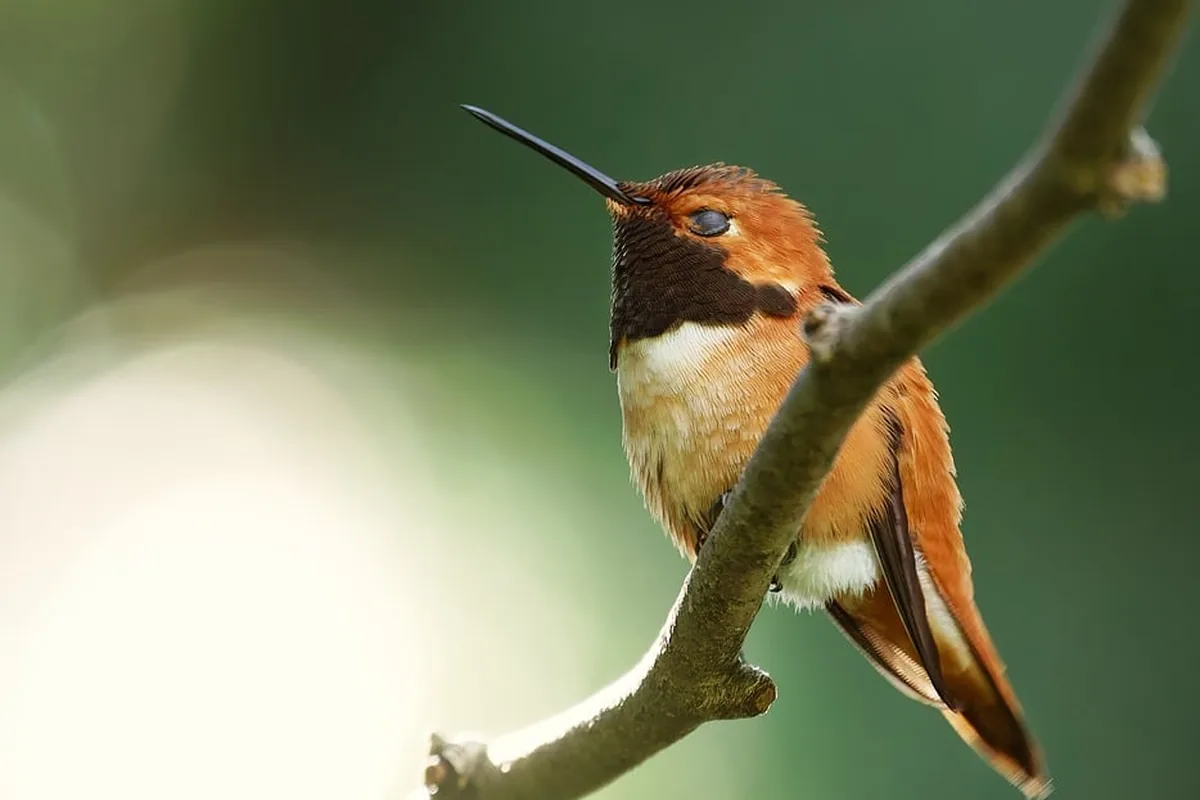
Understanding Night Frights: When Your Bird's Sleep Turns Scary
Picture this: it's 2 AM, and suddenly you hear a tremendous crash from your bird's room, followed by frantic wing-beating and distressed calls. Your heart races as you rush to check on your feathered friend, only to find them clinging to the cage bars, panting and clearly shaken. Welcome to the world of night frights — one of the most startling experiences you'll encounter as a bird parent.
Night frights are exactly what they sound like: episodes where your bird becomes suddenly terrified in the dark, often resulting in panicked thrashing around their cage. While they can be absolutely heart-stopping for us humans, understanding what causes them and how to prevent them can save both you and your bird from these traumatic midnight episodes.
In our experience boarding over 1,000 birds at BST, we've seen our fair share of night frights, and here's what every bird parent needs to know to keep their feathered family safe through the night.
What Triggers Night Frights?
Night frights don't happen out of nowhere — there's always a trigger, even if it seems invisible to us. Birds have incredibly sensitive hearing and can detect sounds and movements that completely escape human notice. Let's break down the most common culprits:
Sudden Sounds and Vibrations
Your bird's hearing is far more acute than yours. That car door slamming three houses down? Your bird heard it. The neighbor's cat jumping onto the fence? Yep, they caught that too. Common sound triggers include:
- Footsteps in hallways or on stairs
- Doors closing elsewhere in the house
- Appliances turning on or off (furnaces, air conditioners, refrigerators)
- Outside noises like sirens, motorcycles, or even wind
- Other pets moving around the house
Shadows and Light Changes
Birds are naturally wary of shadows — in the wild, a moving shadow often means a predator is nearby. Even the smallest light changes can trigger panic:
- Car headlights sweeping across walls
- Someone walking past the room with a flashlight or phone light
- Tree branches moving outside windows
- Light from under doors changing as people move around
Unwelcome Visitors
Sometimes the trigger is actually inside the cage area:
- Insects flying near or into the cage
- Mice or other small animals
- Even household items falling or shifting nearby
Which Birds Are Most Vulnerable?
While any bird can experience night frights, some species are significantly more prone to them than others. At BST, we see certain patterns that are worth noting:
High-Risk Species
Cockatiels top the list — their naturally skittish temperament makes them particularly susceptible. We see night frights in cockatiels more than any other species we board.
Budgerigars are also frequent sufferers, especially when housed in groups where one frightened bird can trigger panic in others.
Lovebirds and parrotlets can experience night frights, though they're often less severe due to these birds' smaller cage setups.
Lower-Risk Species
Larger parrots like African Greys, Amazons, and Macaws can have night frights, but they're generally less common. These birds tend to be more confident and less reactive to minor disturbances.
Canaries and finches rarely experience true night frights, though they can be startled by sudden noises.
The Real Dangers: Injuries from Night Frights
Here's the thing that makes night frights so concerning — the injuries that can result from panicked thrashing. When a bird is terrified and can't see properly, they can seriously hurt themselves trying to escape whatever spooked them.
Common Injuries We See
Broken blood feathers are by far the most frequent and serious injury. When birds thrash against cage bars or perches, their wing and tail feathers can snap, and blood feathers (new, growing feathers with active blood supply) can bleed profusely.
Wing injuries including bruising, sprains, or even fractures can occur when birds hit cage walls repeatedly.
Foot and leg injuries happen when birds get their feet caught in cage bars while thrashing or land awkwardly on perches.
Beak and head trauma can result from flying into cage walls or toys in the dark.
Stress-related issues including prolonged panting, weakness, or even shock in severe cases.
Important: Night fright injuries can be serious and sometimes life-threatening. The combination of darkness, panic, and confined space creates a perfect storm for accidents.
Prevention: Your First Line of Defense
The good news is that most night frights are completely preventable with the right setup and precautions. We've refined these strategies through years of keeping birds safe and calm through the night.
Lighting Solutions
Provide a gentle nightlight — this is your most important tool. A small LED nightlight placed near (but not directly shining into) the cage allows your bird to see their surroundings if they're startled. We recommend warm, dim lighting that won't disrupt their sleep cycle.
Avoid complete darkness — while birds need darkness to sleep well, total blackness makes night frights more likely and more dangerous.
Strategic Cage Placement
Position the cage against a wall so your bird has at least one side that feels secure and protected.
Keep cages away from high-traffic areas where footsteps, shadows, and sounds are more frequent.
Avoid placing cages near windows where outside lights and shadows can cause problems.
Consider the room carefully — bedrooms are often ideal because they're quieter and have less activity during nighttime hours.
Cage Modifications
Use a partial cage cover — covering the back and sides of the cage while leaving the front open can help your bird feel secure while still allowing them to see with your nightlight.
Remove or secure loose items that could fall and create noise during the night.
Ensure perches are stable and positioned so your bird won't injure themselves if they do get startled.
Environmental Controls
White noise can be incredibly helpful — a small fan or white noise machine can mask sudden sounds that might trigger frights.
Maintain consistent routines — birds feel more secure when their environment is predictable.
What to Do When Night Frights Happen
Despite your best prevention efforts, night frights can still occur. How you respond in those crucial first minutes can make a huge difference in your bird's recovery and prevent injuries.
Immediate Response Steps
Stay calm yourself — your bird will pick up on your energy, so take a deep breath before acting.
Speak in a soft, reassuring voice as you approach the room. Let your bird know you're there and that they're safe.
Turn lights on gradually — sudden bright light can worsen the panic. Start with a dim light and slowly increase brightness.
Don't rush to the cage immediately — give your bird a moment to calm down once they can see their surroundings.
Assessment and Care
Once your bird has settled (this usually takes 5-10 minutes), carefully check for injuries:
- Look for any bleeding, especially from wing or tail feathers
- Watch for limping or favoring one foot
- Check for labored breathing or continued distress
- Observe their posture and movement for signs of injury
Pro Tip: Keep a small flashlight near your bird's room for these situations. It provides controlled lighting without the jarring effect of overhead lights.
Emergency First Aid for Broken Blood Feathers
Broken blood feathers are the most common serious injury from night frights, and knowing how to handle them can be life-saving. Here's what you need to do:
Supplies to Have on Hand
Keep these items in a bird first aid kit:
- Cornstarch or flour (for clotting)
- Clean towels
- Needle-nose pliers (sterilized)
- Gauze pads
- Your avian vet's emergency contact information
Step-by-Step Treatment
Control the bleeding immediately — apply cornstarch or flour directly to the bleeding feather. This helps clotting and makes it easier to see the injury.
Assess the damage — if the feather is partially broken but still attached, you'll likely need to remove it completely to stop the bleeding.
Remove the feather if necessary — grasp the broken feather as close to the skin as possible with needle-nose pliers and pull straight out with one quick, firm motion. This sounds harsh, but leaving a damaged blood feather can cause ongoing bleeding and pain.
Apply pressure — once the feather is removed, apply gentle pressure with gauze to the follicle for several minutes.
Monitor closely — watch for signs of shock or continued bleeding.
Warning: If you're not comfortable removing a broken blood feather yourself, or if bleeding doesn't stop within 10-15 minutes, get to an emergency vet immediately. Birds can lose dangerous amounts of blood very quickly.
Creating a Long-Term Prevention Plan
After experiencing a night fright, it's worth evaluating your entire setup to prevent future episodes. We often work with bird parents to identify what might have triggered the fright and adjust accordingly.
Consider keeping a brief log of any night frights, including:
- Time of occurrence
- Weather conditions
- Any unusual sounds or activities in the house
- Your bird's behavior earlier that day
This information can help you identify patterns and make targeted improvements to your bird's nighttime environment.
Final Thoughts
Night frights can be terrifying experiences for both you and your bird, but they don't have to be inevitable. With proper prevention strategies — especially good lighting, strategic cage placement, and environmental awareness — you can dramatically reduce the likelihood of these episodes.
Remember that some birds are simply more prone to night frights due to their temperament and species characteristics. If you have a particularly sensitive bird, don't feel discouraged if prevention isn't always 100% effective. The key is minimizing risks and knowing how to respond calmly and effectively when frights do occur.
Most importantly, trust your instincts as a bird parent. If something about your bird's behavior or environment doesn't feel right, make adjustments. Your bird's safety and peace of mind — and your own — are worth the effort to create the most secure nighttime environment possible.
Explore related topics
Related Articles
Understanding Parrot Sleep: Positions, Behaviors, and What's Normal
Why does your bird sleep on one foot? Tuck their head? Grind their beak? Here's the science of parrot sleep.
Natural Sleep Cycles: How Much Sleep Does Your Parrot Really Need?
Sleep deprivation is one of the most overlooked health issues in pet birds. Learn about your parrot's natural sleep needs.
Building Natural Branch Perches: A Step-by-Step Guide
Natural branches are the best perches — varied diameter, texture, and chewing opportunity. Here's how to prepare them safely.