Understanding Parrot Intelligence: What Science Tells Us About Their Minds
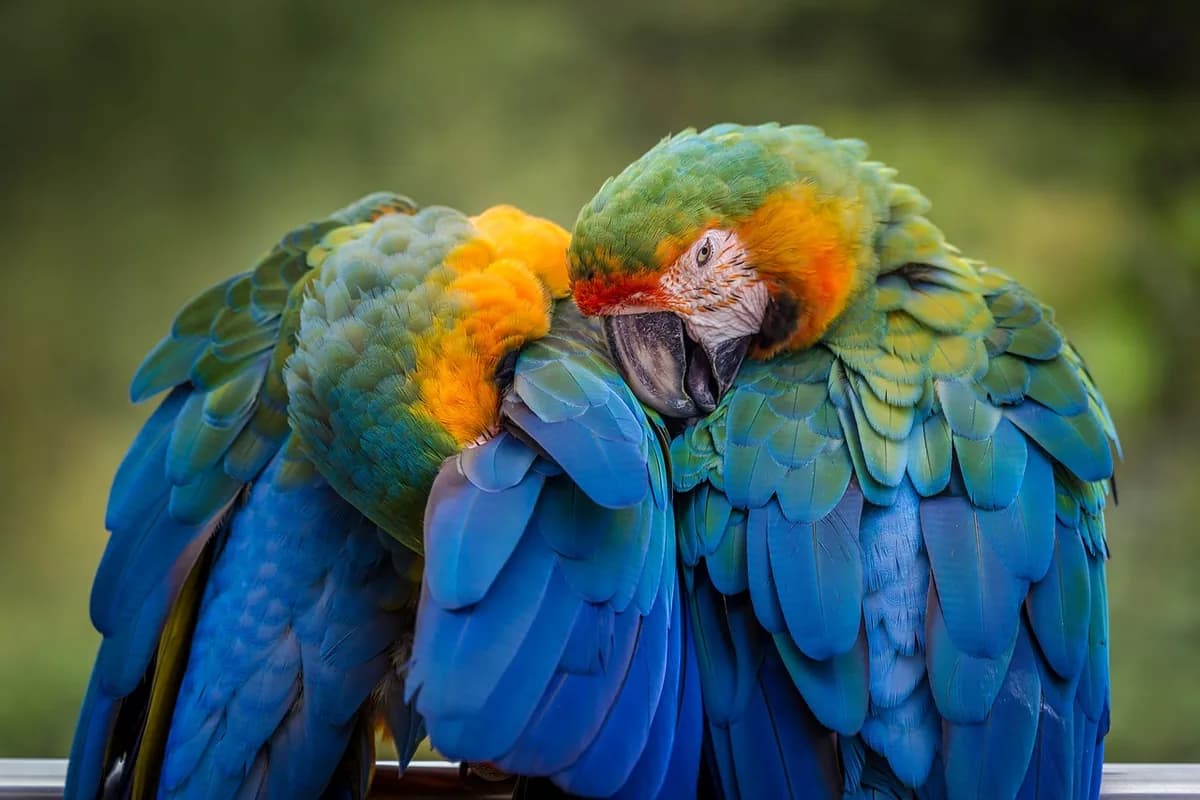
The Remarkable Minds of Our Feathered Companions
If you've ever watched your parrot solve a puzzle toy or seemingly understand exactly what you're saying, you're witnessing something truly extraordinary. Parrot intelligence isn't just about mimicking sounds — these birds possess cognitive abilities that rival those of young children, and science is only beginning to scratch the surface of what they're truly capable of.
In our experience boarding over 1,000 birds at BST, we've witnessed countless moments that showcase just how brilliant these creatures are. From parrots who learn the daily routine faster than some dogs, to birds who clearly understand the difference between their regular caretaker and a new face, their intelligence is both fascinating and humbling.
The Groundbreaking Research: Alex and Dr. Pepperberg
The story of parrot intelligence research begins with Alex, an African Grey parrot who revolutionized our understanding of avian cognition. Working with Dr. Irene Pepperberg for over 30 years, Alex demonstrated abilities that scientists once thought were impossible for non-human animals.
Alex could identify over 50 objects, recognize seven colors, and count up to six. But here's what made his abilities truly remarkable: he wasn't just memorizing responses. Alex understood concepts. He could look at a collection of objects and tell you how many red blocks there were, or identify what was the same or different between two items he'd never seen before.
Perhaps most impressively, Alex grasped the concept of zero — something that took humans thousands of years to develop mathematically. When asked "How many green blocks?" when shown only red and blue objects, Alex would correctly respond "none."
Important: Alex's abilities weren't the result of rote training. He demonstrated true understanding, often creating his own words for new concepts, like calling an apple a "banerry" (combining "banana" and "cherry").
Problem-Solving in the Wild: The Tool-Using Cockatoos
While Alex showed us what parrots could learn in captivity, wild cockatoos have been teaching us about natural parrot intelligence. Goffin's cockatoos, in particular, have stunned researchers with their problem-solving abilities.
These birds can:
- Create and modify tools from available materials
- Plan multiple steps ahead to solve complex puzzles
- Learn from watching other cockatoos and apply those lessons to new situations
- Adapt their problem-solving strategies when initial attempts fail
What's particularly impressive is that they often solve problems they've never encountered before, showing true innovation rather than learned behavior.
Emotional Intelligence: More Than Just Smart
Your parrot doesn't just think — they feel, and they understand emotions in ways that might surprise you. Research has revealed that parrots demonstrate:
Empathy and Emotional Awareness
Parrots can recognize emotional states in both humans and other birds. They'll often comfort a distressed flock mate or respond differently to their human's mood changes. At BST, we regularly see birds who become more subdued when their owner is stressed during drop-off, or who perk up noticeably when they sense excitement.
Deception and Humor
Yes, your parrot might be playing pranks on you. Many parrots engage in deliberate deception — like pretending to be injured to get attention, or learning to mimic sounds that get a reaction (like the smoke alarm beep) just to watch the chaos unfold.
Social Manipulation
Parrots understand social hierarchies and can manipulate situations to their advantage. They might call for one family member when they want treats, knowing that person is more likely to give in.
Language: Beyond Simple Mimicry
The idea that parrots "just mimic" is one of the biggest misconceptions about these birds. While they do excel at vocal imitation, many parrots demonstrate genuine language comprehension.
Research shows that some parrots can:
- Use words in appropriate contexts without specific training
- Combine known words to create new meanings
- Understand basic grammar and sentence structure
- Respond appropriately to questions they've never been asked before
Pro Tip: Pay attention to when your parrot uses words. You might notice they say "hello" when people arrive, "bye-bye" when they see you putting on shoes, or ask for specific foods by name. This isn't coincidence — it's comprehension.
Memory: The Good, The Bad, and The Grudges
Parrot memory is both a blessing and a challenge for pet owners. These birds have exceptional long-term memory, which serves them well in the wild but can create interesting dynamics in captivity.
Parrots remember:
- Positive experiences: A favorite person, a beloved toy, or a special treat from years ago
- Negative experiences: Traumatic events, people who've frightened them, or unpleasant situations
- Routines and patterns: Daily schedules, seasonal changes, and family dynamics
- Grudges: Yes, your parrot can hold a grudge, sometimes for years
We've seen birds at BST who still remember and react to situations from their early life experiences, highlighting just how permanent these memories can be.
Self-Awareness: The Mirror Test
The mirror test — where an animal is marked with a colored spot and observed to see if they recognize themselves in a mirror — is considered a benchmark for self-awareness. While results vary among parrot species, some have shown signs of self-recognition, particularly African Greys.
More importantly, parrots demonstrate self-awareness through:
- Understanding their own capabilities and limitations
- Showing embarrassment or pride in their actions
- Recognizing their own vocalizations and adjusting them
- Displaying individual preferences and personalities
What This Means for You as a Parrot Owner
Here's the thing: you're not just caring for a pet — you're living with a creature that has the cognitive abilities of a 3-5 year old child, combined with the flight capabilities of a bird and the emotional complexity of a highly social animal.
Practical Implications
Mental Stimulation is Critical Your intelligent parrot needs mental challenges just like physical exercise. Puzzle toys, foraging opportunities, and learning new tricks aren't luxuries — they're necessities.
Consistency Matters More Than You Think Because parrots understand patterns and routines so well, inconsistency can be genuinely confusing and stressful for them. They notice when you change your morning routine or when a family member is absent.
Respect Their Emotional Intelligence Your parrot picks up on your emotions, stress levels, and relationship dynamics. They're not just reacting to your behavior — they're understanding it on a deeper level.
Communication is Two-Way Don't just talk to your parrot — listen to them. They're likely trying to communicate specific needs, wants, and observations about their environment.
Warning: Never underestimate your parrot's ability to learn and remember. Negative experiences, harsh training methods, or broken trust can have lasting impacts on their behavior and relationship with you.
The Responsibility of Intelligence
Understanding parrot intelligence brings both wonder and responsibility. These remarkable creatures deserve environments that challenge their minds, respect their emotional needs, and acknowledge their complex inner lives.
The good news is that the more we understand about parrot cognition, the better we can provide for our feathered companions. Every puzzle solved, every word learned in context, and every emotional connection made is a testament to the extraordinary minds we're privileged to share our lives with.
Your parrot isn't just smart — they're a thinking, feeling individual with their own personality, preferences, and perspective on the world. Recognizing and honoring that intelligence is perhaps the greatest gift we can give these remarkable birds.
Explore related topics
Related Articles
The 20 Biggest Mistakes New Bird Owners Make
We all make mistakes as new bird owners. Here are the 20 most common — and how to avoid them.
Do Parrots Feel Jealousy? Understanding Possessive Behavior
Your parrot lunges at your partner when they sit near you. Is it jealousy? The science says yes — here's what to do.
Fireworks and Loud Noises: Protecting Your Parrot from Sound Stress
Canada Day, New Year's, thunderstorms — loud events can traumatize your bird. Here's how to protect them.