Understanding Parrot Aggression: 7 Types and Their Solutions
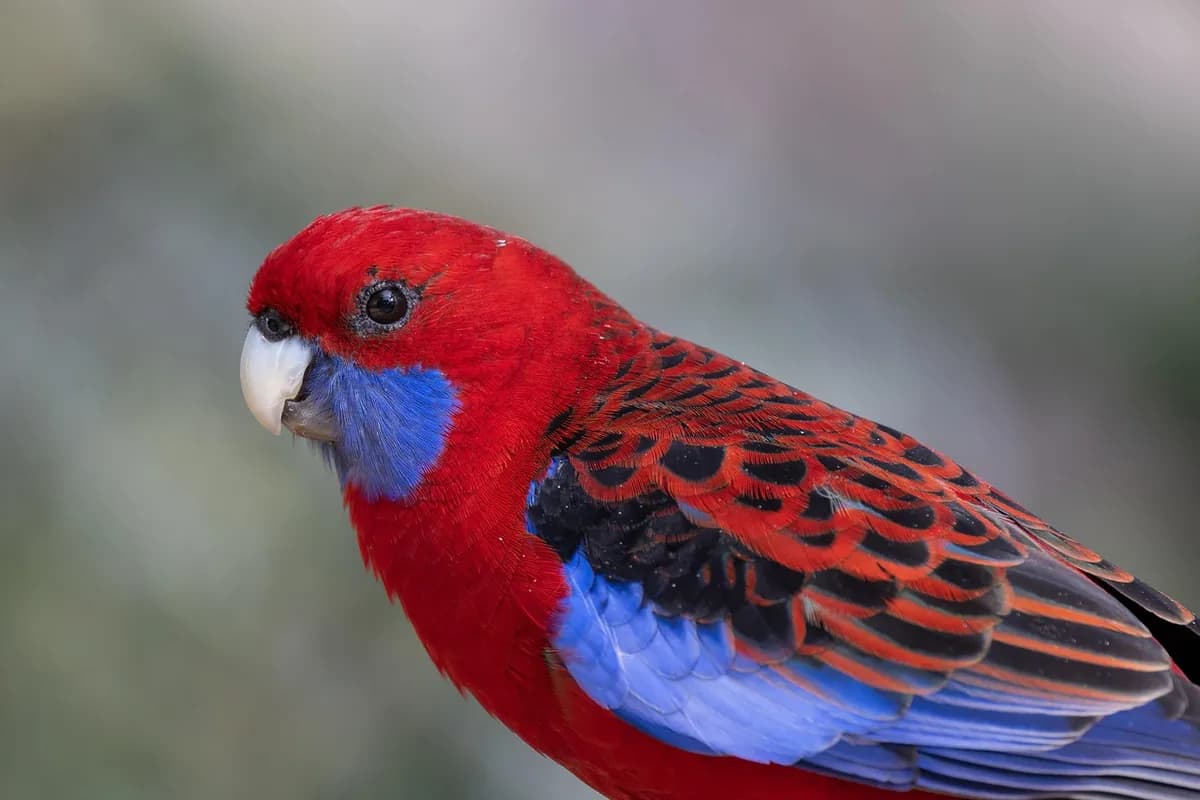
Understanding Your Parrot's Aggressive Behavior
Parrot aggression can be one of the most challenging and heartbreaking aspects of bird ownership. One moment your feathered companion is sweet and affectionate, the next they're lunging with beak ready to bite. At Bird Sitting Toronto, we've worked with hundreds of parrots displaying various forms of aggression, and we've learned that understanding the root cause is always the first step toward a solution.
The key insight? Aggression is never random. Your parrot is always trying to communicate something important through their behavior. By learning to recognize the seven main types of parrot aggression and their underlying causes, you can address the real issue rather than just the symptoms.
The Seven Types of Parrot Aggression
1. Territorial Aggression: Defending Their Domain
How to Identify It: Your bird becomes aggressive when you approach their cage, try to reach inside, or get near their favorite perch. They may lunge, bite, or display threatening body language like pinned eyes and raised feathers. The aggression typically occurs only in or around their perceived territory.
Root Cause: Territorial behavior is deeply instinctual. In the wild, parrots fiercely defend their nesting sites and roosting areas from predators and competitors. Your bird's cage represents their safe haven, and they're hardwired to protect it.
Solution: Never reach into your bird's cage to remove them. Instead, invite them out by opening the door and asking them to step up onto a perch or your hand outside the cage. Train a "step up" command away from the cage area. If you must access the cage while your bird is inside, use a perch or towel rather than your hand.
Tip: Establish neutral territory for training and interaction. A play stand or designated perch away from the cage creates a space where territorial instincts are less likely to trigger.
2. Hormonal Aggression: When Biology Takes Over
How to Identify It: Seasonal aggression that coincides with breeding periods, often accompanied by other hormonal behaviors like excessive vocalizations, regurgitation, nesting behaviors, or increased territorial displays. This typically occurs during spring months or when environmental conditions mimic breeding season.
Root Cause: Hormonal surges trigger breeding instincts, making your bird more protective, territorial, and prone to aggression. Extended daylight hours, rich foods, and cozy spaces can all trigger these hormonal responses.
Solution: Manage your bird's environment to reduce hormonal triggers. Maintain 10-12 hours of darkness each night, avoid petting along the back or under wings, remove potential nesting sites, and adjust diet to be less rich during breeding season. Increase physical exercise and mental stimulation to redirect energy.
Warning: Never punish hormonal aggression. Your bird cannot control these biological urges, and punishment will only increase stress and worsen the behavior.
3. Fear-Based Aggression: Fight or Flight Response
How to Identify It: Aggression triggered by specific stimuli like new people, objects, sounds, or situations. Your bird may display clear signs of fear first (crouching, rapid breathing, dilated pupils) before escalating to aggressive behavior. The aggression stops when the trigger is removed.
Root Cause: Past traumatic experiences, lack of socialization, or sudden environmental changes can create fear responses. Some birds develop specific phobias that trigger defensive aggression when they feel trapped or threatened.
Solution: Use systematic desensitization and counter-conditioning. Gradually expose your bird to the feared stimulus at a distance where they remain calm, pairing the exposure with positive experiences like favorite treats. Never force interaction or flood your bird with the feared stimulus.
4. Redirected Aggression: Misdirected Frustration
How to Identify It: Your bird becomes aggressive toward you or another family member when they're actually upset about something else entirely. For example, being startled by a loud noise outside but then biting the person nearest to them. The aggression seems to come out of nowhere and doesn't match the immediate situation.
Root Cause: When birds are aroused or frustrated by something they cannot reach or control, they may redirect that energy toward the nearest available target. This is often seen during territorial disputes with outdoor birds or when excited by environmental stimuli.
Solution: Identify and address the true trigger rather than focusing on the redirected behavior. If outdoor birds are causing frustration, consider relocating the cage or using visual barriers. Learn to recognize your bird's arousal signals and give them space to calm down before attempting interaction.
Tip: Keep a behavior log to identify patterns. Note time of day, environmental factors, and triggers that precede aggressive episodes.
5. Possessive/Jealousy Aggression: Guarding Their Favorite
How to Identify It: Your bird becomes aggressive when other family members approach their favored person, or when attention is directed elsewhere. They may bite family members who try to interact with their chosen human or become aggressive when their favorite person pays attention to others.
Root Cause: Parrots naturally form strong pair bonds and can become possessive of their chosen mate substitute. This behavior intensifies when the bird sees their human as their exclusive partner rather than part of a larger flock.
Solution: Implement socialization training with all family members. Have different people feed treats, provide training sessions, and engage in positive interactions. Avoid reinforcing the exclusive bond by having the favored person sometimes ignore attention-seeking behavior while others provide positive interaction.
6. Pain-Related Aggression: Hidden Health Issues
How to Identify It: Sudden onset of aggression in a previously gentle bird, especially when touched in specific areas. Your bird may be reluctant to move, show changes in posture, or become aggressive when handled in ways they previously enjoyed. This type of aggression often seems unpredictable.
Root Cause: Birds instinctively hide illness and injury, but pain can make them defensive and quick to bite. Internal conditions, injuries, or developing health issues can all trigger pain-related aggression.
Solution: Schedule an immediate veterinary examination. Never assume behavioral changes are purely behavioral without ruling out medical causes first. A thorough physical exam and potentially diagnostic tests are essential.
Warning: Birds hide illness extremely well. Any sudden behavioral change warrants veterinary attention, even if your bird appears otherwise healthy.
7. Dominance Display: Testing Boundaries
How to Identify It: Your bird challenges your authority through aggressive behavior, often escalating when you try to enforce rules or boundaries. They may bite when asked to step up, refuse commands they previously followed, or become aggressive when prevented from doing something they want.
Root Cause: Despite popular misconceptions, this isn't about your bird trying to "dominate" you. Instead, it's often about inconsistent boundaries, lack of clear communication, or your bird learning that aggression gets them what they want.
Solution: Establish clear, consistent boundaries without using punishment or force. Use positive reinforcement to reward compliance and redirect unwanted behavior. Ensure all family members respond consistently to your bird's behavior. Focus on building trust and communication rather than "showing who's boss."
Diagnostic Flowchart: Identifying Your Bird's Aggression Type
When your bird displays aggressive behavior, ask yourself:
-
Is this sudden or gradual onset?
- Sudden: Consider pain-related causes first
- Gradual: Look at environmental or behavioral factors
-
Where does the aggression occur?
- Near cage/perch: Likely territorial
- Everywhere: Consider hormonal, fear-based, or health issues
-
Is there a specific trigger?
- Yes: Fear-based or redirected aggression
- No clear trigger: Hormonal, health, or possessive issues
-
Is it seasonal or constant?
- Seasonal: Hormonal aggression
- Constant: Health, territorial, or behavioral issues
-
Who does your bird target?
- Everyone equally: Likely territorial, fear-based, or health-related
- Specific people: Possessive or dominance-related
Creating an Action Plan
Once you've identified the type of aggression, create a systematic approach:
Immediate Steps:
- Ensure everyone's safety
- Remove or modify obvious triggers
- Schedule a vet visit if health concerns exist
Short-term Management:
- Implement environmental changes
- Begin appropriate training protocols
- Maintain consistent responses from all family members
Long-term Solutions:
- Continue training and socialization
- Monitor for improvement and adjust strategies
- Build stronger communication and trust
Final Thoughts
Understanding parrot aggression requires patience, observation, and often professional guidance. Each bird is unique, and what works for one may not work for another. The most important thing to remember is that aggression is communication—your bird is telling you something important about their needs, fears, or physical state.
At Bird Sitting Toronto, we've seen countless success stories when owners take the time to understand the root cause of their bird's aggression rather than simply trying to stop the behavior. With the right approach, most aggressive behaviors can be significantly improved or resolved entirely.
Remember that working with aggression takes time. Be patient with both yourself and your bird as you implement these strategies. If you're struggling to identify the type of aggression or if behaviors don't improve with consistent training, don't hesitate to consult with an avian veterinarian or certified bird behaviorist. Your bird's aggression is solvable—it just requires understanding their unique language and needs.
Explore related topics
Related Articles
The 20 Biggest Mistakes New Bird Owners Make
We all make mistakes as new bird owners. Here are the 20 most common — and how to avoid them.
Do Parrots Feel Jealousy? Understanding Possessive Behavior
Your parrot lunges at your partner when they sit near you. Is it jealousy? The science says yes — here's what to do.
Fireworks and Loud Noises: Protecting Your Parrot from Sound Stress
Canada Day, New Year's, thunderstorms — loud events can traumatize your bird. Here's how to protect them.