Travel Safety with Your Parrot
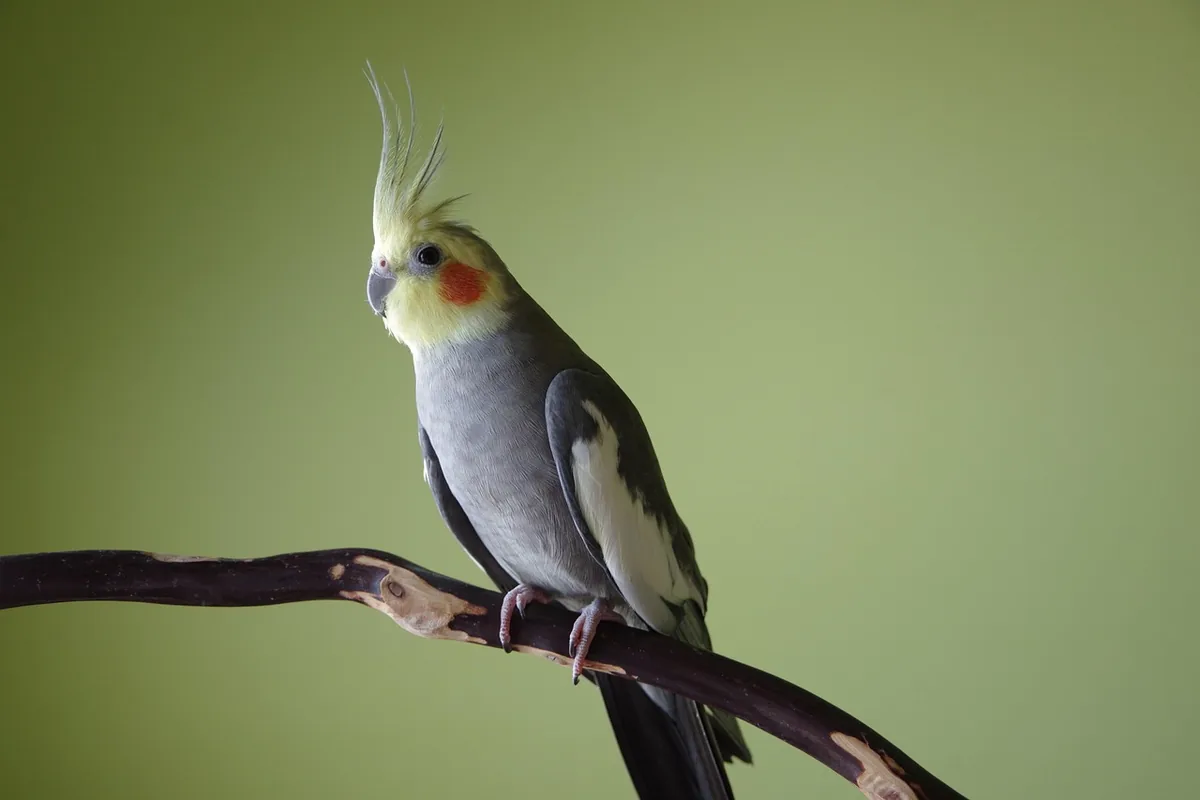
Whether you are driving five minutes to the avian vet or heading out for a weekend, a parrot on the move needs more thought than a dog or a cat. Birds hide illness and stress until they are overwhelmed, they are exquisitely sensitive to heat and fumes, and a startled parrot can injure itself in a poorly chosen carrier. The good news is that travel becomes genuinely safe, and even routine, once you get a few fundamentals right. At Bird Sitting Toronto, where we move and settle birds every week, the calmest travellers are almost always the ones whose owners planned ahead.
Why Travel Safety Matters
Parrots read the world through habit. Their cage, their view, their morning light, and the sounds of your home all tell them they are safe. Take that away at once and a bird's stress response climbs quickly. In the wild, a bird that feels exposed either freezes or flees, and neither serves you well inside a moving vehicle.
Good preparation does two things. It removes the real physical dangers of travel such as heat, escape, and injury, and it lowers the psychological load so your parrot arrives able to eat, drink, and settle rather than shut down. Avian veterinary consensus is consistent here: a bird that keeps eating and stays warm through a trip recovers from the disruption far faster than one that does not.
Choosing the Right Carrier
Your regular cage is not a travel carrier. Tall cages let a bird fall during sudden stops, wide bar spacing invites escape, and loose grates become projectiles. A proper travel carrier is compact, hard-sided or sturdily framed, and built so the only surprise on the trip is that there were no surprises.
Look for these features:
- Escape-proof and secure. Latches a clever parrot cannot work open, and bar or mesh spacing too narrow for the head to pass through.
- Well-ventilated. Airflow on multiple sides, never a sealed box.
- A single low perch. Mounted close to the floor so a hard brake means a short, safe drop rather than a fall from height.
- Easy to clean. A removable, wipeable tray, since a nervous bird may have a loose dropping or two.
- The right footprint. Snug enough that your bird cannot tumble around, roomy enough to stand, turn, and hold the perch comfortably.
Use the table below as a starting point for short trips. Size up if the ride is long or your bird is on the larger end of its species.
| Bird size class | Example species | Suggested minimum footprint | Low perch height |
|---|---|---|---|
| Small | Budgie, lovebird, parrotlet | 30 x 20 cm (12 x 8 in) | ~5 cm (2 in) |
| Medium-small | Cockatiel, green-cheek conure, quaker | 40 x 30 cm (16 x 12 in) | ~7 cm (3 in) |
| Medium-large | Amazon, African grey, eclectus | 50 x 40 cm (20 x 16 in) | ~10 cm (4 in) |
| Large | Large macaw, large cockatoo | 60 x 50 cm (24 x 20 in) or larger | ~12-15 cm (5-6 in) |
Tip: Introduce the carrier days or weeks before you travel. Leave it open near the cage, drop favourite foraging treats inside, and let your parrot explore it on its own terms. A carrier that already smells like home and reward is far less frightening than one that appears only on the way to the vet.
Securing the Carrier in the Car
An unsecured carrier is one of the most overlooked hazards of bird travel. In a sudden stop it becomes a moving object, and even a gentle fender-bender can throw it off the seat.
Run the seatbelt through or around the carrier so it cannot slide or tip, and set it on the floor behind a front seat or belted onto the back seat. Keep it out of direct sun, away from vents blowing straight onto your bird, and never stack anything on top of it.
Warning: Never place your bird's carrier in a front seat with an active airbag. An airbag deploys with enormous force and is designed for an adult human, not a small carrier. In a collision it can be fatal to your parrot. The back seat, belted and on the floor or seat, is the safe place.
Managing Temperature
Toronto hands you the full range in a single year, from humid summer afternoons to hard winter cold, and a car amplifies both. Most parrots are comfortable in roughly the same range you are, about 18 to 29 C (65 to 85 F), and they struggle at the extremes far faster than we do.
In summer, run the air conditioning before you load your bird and keep the cabin cool, but do not aim a cold vent directly at the carrier. In winter, warm the car first so your parrot is not moved from a heated house into a freezing vehicle, and drape a breathable cover over part of the carrier to block drafts while leaving ventilation open. Watch for the warning signs at both ends: panting and held-out wings mean too hot, while fluffed feathers and shivering mean too cold.
Warning: Never leave your bird alone in a parked car, not even for a couple of minutes. On a warm day a closed car can climb well past 50 C within minutes, and birds suffer heat stroke and die faster than mammals do. Cold is just as dangerous in the other direction. If you cannot take your parrot with you when you stop, do not stop with your parrot in the car.
Food and Water on the Road
Open water bowls spill and soak your bird on every turn, so for the drive itself, skip the standing water dish. Instead, offer water-rich fresh foods that double as hydration, such as pieces of cucumber, leafy greens, or a slice of well-washed fruit. For longer trips, stop somewhere safe, secure the car, and offer water by bowl or syringe before continuing.
Bring your bird's normal pellets and familiar vegetables rather than experimenting on the road, since a stressed bird is more likely to eat food it already trusts. For most parrots that everyday diet is pellet-forward, roughly three-quarters pellets rounded out with vegetables and leafy greens, so pack accordingly and keep travel treats small. Steer clear of the usual toxins on any trip, especially avocado, chocolate, caffeine, alcohol, onion and garlic, salt, and fruit pits or apple seeds, which are cyanogenic and should never be shared.
Tip: Weigh your bird before and after longer trips on a gram scale. A parrot that is eating and drinking normally holds its weight; a noticeable drop is an early signal to slow down, warm up, and check in with your avian vet.
Planning for an Escape
Even careful owners have a door blow open or a latch slip, and a frightened parrot in unfamiliar territory can be gone in seconds. A little preparation turns a disaster into a recoverable scare.
- Keep a current photo of your bird on your phone, clear enough to show markings and colour.
- Note your microchip or leg-band details and confirm your avian vet has them on file. Some parrots can be microchipped; ask your vet whether yours is a candidate.
- Carry your vet's contact information and know the nearest emergency avian clinic to wherever you are travelling.
- Never open the carrier outdoors or in an unscreened, unfamiliar room. Do your transfers indoors with doors and windows shut.
Tip: Before any longer trip, look up the closest avian or exotics veterinarian to your destination and save the number. Not every clinic treats birds, and you do not want to be searching during an emergency.
Keeping Stress Low
Comfort items help a nervous traveller feel at home. Add a familiar perch, a favourite chewable toy, or a small piece of a well-loved blanket so the carrier carries the scent of home. Speak to your bird in your normal voice, keep the radio low, and avoid loud music or sudden noises. Covering three sides of the carrier while leaving one open often calms a bird by reducing the flood of unfamiliar sights while still letting it see you.
Resist the temptation to reach for over-the-counter calming sprays or supplements. Many contain essential oils or additives that have not been proven safe for birds, and some can do real harm to a species with such sensitive airways. Avian veterinary consensus favours patient desensitization, letting your parrot get comfortable with the carrier and short practice drives, over any attempt at sedation. If your bird panics badly with every trip, talk to your avian vet rather than medicating on your own.
Longer and Overnight Trips
Overnight stays add a few considerations. Book bird-friendly accommodation, keep your parrot on its normal light and dark schedule with a covered cage at night, and give it a quiet corner away from foot traffic. Maintain the same feeding routine you use at home so the disruption stays small.
Warning: Non-stick cookware and self-cleaning appliances release fumes that are rapidly lethal to birds, and you cannot control what a hotel or rental kitchen uses. Keep your parrot well away from any kitchen while cooking is happening, ventilate the space, and never let it share a room with an overheating non-stick pan. This single precaution has saved countless birds.
A quick word on flying: air travel is far more demanding than a car trip, with pressure changes, noise, and cargo-hold risks that stress even seasoned birds. Airline and cross-border rules for live birds vary and change often, so if a flight is unavoidable, confirm the current policies well in advance and ask your avian vet whether your bird is fit to fly. For many parrots, a trusted in-home sitter is the calmer, safer choice.
The Non-Negotiables
If you remember nothing else, remember these:
- Secure the carrier with the seatbelt, in the back seat, never in front of an active airbag.
- Never leave your bird alone in a parked car, in any weather.
- Keep the temperature steady, roughly 18 to 29 C (65 to 85 F), with no direct vents or drafts.
- Skip the standing water bowl on the move; hydrate with water-rich foods and scheduled stops.
- Keep known toxins and non-stick fumes far from your bird.
- Have a current photo, band or microchip details, and an avian vet number ready in case of escape.
- Choose familiarity over sedation, and call your avian vet before using any calming product.
With an escape-proof carrier, a stable temperature, and a little practice, most parrots learn that travel is just another part of a safe, well-run life. Plan the trip around your bird's needs, and the drive to the vet or the weekend away becomes something you both take in stride.
Explore related topics
Related Articles
Bird-Proofing Your Home: A Room-by-Room Safety Guide
Your home is full of hidden dangers for birds. This room-by-room guide helps you create a truly safe environment.
Bird-Safe Houseplants: A Complete List for Bird Owners
Love plants and birds? Here's your definitive guide to which houseplants are safe and which can kill your parrot.
Emergency Evacuation Plan for Bird Owners: Be Prepared for Anything
Fire, flood, power outage — do you have an evacuation plan for your bird? Most owners don't. Here's how to create one.