Transitioning Your Bird to a Healthier Diet
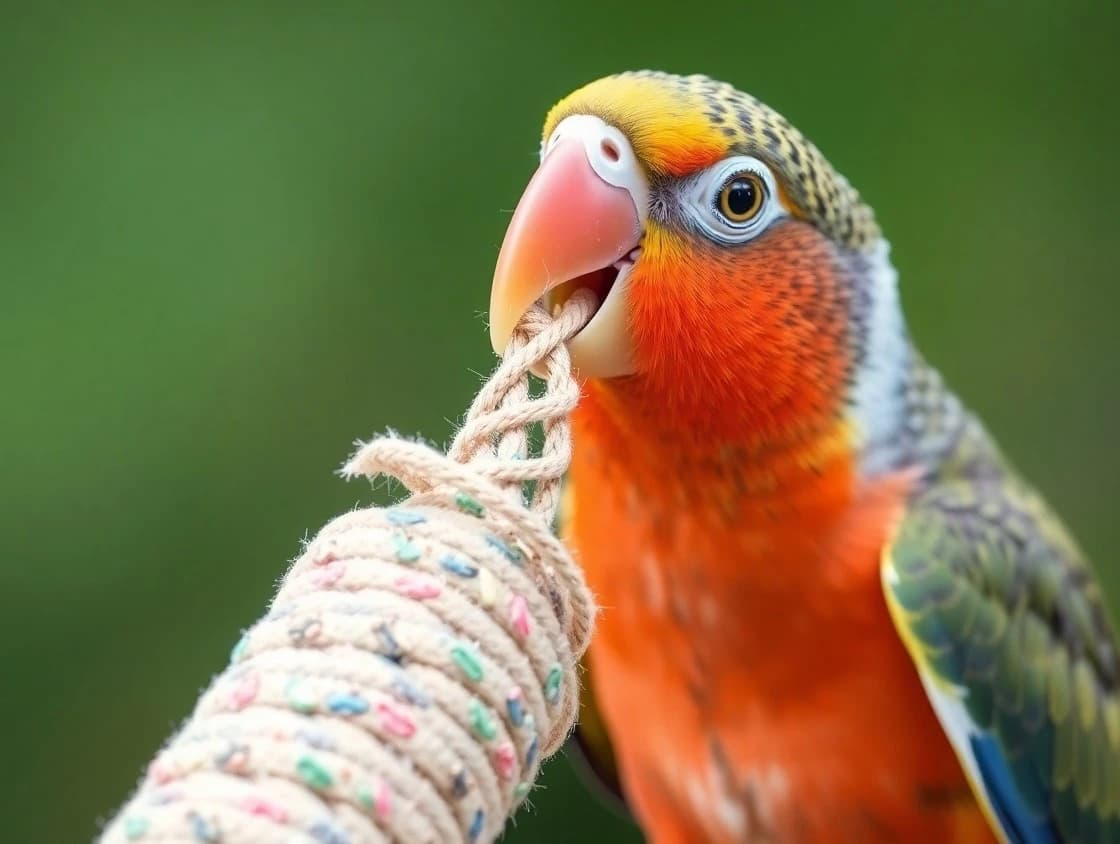
"You expect me to eat that?" If you have ever set a fresh pellet or a piece of chopped kale in front of a lifelong seed eater and watched it get flung to the cage floor, you already know the challenge. Shifting a bird from a seed-only diet to a balanced one is one of the most valuable things you can do for its health, and also one of the slowest. Birds are creatures of habit and are naturally wary of anything unfamiliar. Many will not even register pellets, vegetables, or fruit as food at first, and may ignore a new dish for days.
At Bird Sitting Toronto, where we board hundreds of birds every year, the ones who eat a varied, pellet-forward diet are almost always the brighter-feathered, steadier, more resilient guests. The good news: with patience and a plan, nearly any bird can be converted. Here is how to do it safely.
Why a seed-only diet holds your bird back
An all-seed diet is the avian equivalent of living on chips. Seeds are palatable and high in fat, but they are badly out of balance for a companion parrot. According to the Association of Avian Veterinarians and the Merck Veterinary Manual, birds maintained on seed-only diets are prone to a familiar cluster of problems:
- Obesity and fatty liver disease (hepatic lipidosis) from the high fat load, especially in budgies, cockatiels, and Amazons.
- Vitamin A deficiency (hypovitaminosis A), which shows up as poor feather quality, recurring sinus and respiratory infections, and mouth changes. Seeds are naturally low in vitamin A.
- Calcium deficiency, a particular concern in African greys, and iodine deficiency (goiter) in budgies.
None of this happens overnight, which is exactly why it is easy to miss. A varied diet built on formulated pellets rounds out the vitamins, minerals, and amino acids that seeds simply do not provide.
What a balanced diet actually looks like
For most parrots, avian veterinary consensus is that formulated pellets should form the foundation of the diet, with fresh foods layered on top and seeds demoted to a treat:
| Food group | Share of daily diet | Examples | Notes |
|---|---|---|---|
| Formulated pellets | 75–80% | A quality avian pellet sized for your species | The nutritional base; the goal of the whole transition |
| Fresh, veg-forward foods | 20–25% | Dark leafy greens, squash, carrot, bell pepper, cooked legumes, a little fruit | Lean toward vegetables; keep sugary fruit modest |
| Seeds & nuts | ~5% | Sunflower, safflower, almond, walnut | Treats and training rewards only — never the staple |
Tip: Not every bird follows the pellet rule. Lorikeets need a specialized nectar diet rather than pellets, and do best avoiding high-iron foods. Eclectus are sensitive to synthetic additives and thrive on a whole-food, vegetable-forward diet. Finches and canaries are passerines: a quality seed mix can remain their staple, supplemented with greens, egg food, and some pellets. Budgies and cockatiels should still end up mostly on pellets, but they convert slowly — so be generous with sprouts and vegetables while you make the switch.
Warning: Some foods are never part of a healthy diet at any ratio. Keep avocado (persin), chocolate (theobromine), caffeine, alcohol, onion and garlic, fruit pits and apple seeds (cyanogenic compounds), excess salt, and uncooked beans away from your bird entirely. And skip grit — hookbill parrots do not need it, and it can cause dangerous crop impaction.
Before you start: a vet visit and a baseline weight
Before you change anything, book a check-up with an avian veterinarian. This confirms your bird is healthy enough to handle a dietary change and, just as importantly, gives you a starting weight to monitor against.
Pick up an inexpensive kitchen scale that reads in grams and weigh your bird at the same time each day — first thing in the morning, before the first big meal, is ideal. A budgie might weigh 30–40 g and a grey around 400–500 g, so even a few grams matters. You should also learn to feel the keel bone (the ridge down the center of the chest): it should be padded with muscle on either side, not sharp and prominent. A sharpening keel is an early warning that your bird is losing condition.
How to convert a committed seed eater
There is no single trick that works for every bird. These strategies are proven, and most owners end up combining several.
- Go gradually. Start by offering pellets in a separate dish alongside the usual seed. Some birds dive in; most need time. Over several weeks, slowly shift the ratio — more pellets, fewer seeds — rather than swapping everything at once.
- Offer variety. Try more than one brand and format of formulated diet. Different shapes, colors, sizes, and textures land very differently from bird to bird, and the "right" pellet is often just the one yours will accept.
- Model the behaviour. Birds are social eaters. If yours watches you eat, pretend to nibble a pellet with obvious enjoyment; curiosity does the rest.
- Make it social. Act as though you are sharing something special with another person in the room. A little theatrical "you can't have this" often makes a bird want a taste.
- Change the setting. Offering new foods away from the cage — at family mealtime, or on a play stand — can lower a bird's guard and turn eating into a shared event.
- Make it a game. Tuck pellets into foraging toys or use them as rewards during training. When new food becomes a puzzle to solve rather than a stranger in the bowl, many birds try it almost by accident.
Tip: Warm, lightly mashed vegetables release more aroma and are often accepted faster than cold, raw ones. Sprouting seeds your bird already loves is another gentle bridge — it turns a familiar food into a fresh, nutrient-dense one and eases the leap toward greens.
Make sure your bird is actually eating
This is the step people skip, and it is the one that matters most. Birds are experts at crushing and scattering new food without swallowing a bite, so a fuller-looking cage floor does not prove your bird ate.
Warning: Never starve a bird onto pellets. Removing seed cold-turkey to "force" the switch is dangerous — a small bird can decline within a day or two if it refuses to eat. Always transition gradually, and always keep a food your bird will reliably eat available while it learns.
Watch for these signs during the transition:
- Weight. Weigh daily and track the trend. A drop of 5–10% of body weight is a red flag: pause the transition, restore familiar food, and call your vet.
- Eating behaviour. Watch closely — is your bird actually chewing and swallowing, or just shredding and dropping?
- Droppings. Fewer or unusually watery droppings can signal your bird is eating less than it appears. (A brief color change toward the pellet's dye is normal and not a concern.)
- Energy and posture. Lethargy, sitting fluffed up, or sleeping more than usual all warrant a closer look.
When to call your avian vet
If your bird stops eating, loses weight, or simply seems "off" during the switch, do not wait it out — check in with your avian vet. A healthy diet is a marathon, not a sprint, and a good vet would far rather hear from you early than treat a bird that has gone too long without eating.
Done patiently, this transition pays you back for years: brighter plumage, steadier energy, and a bird far better equipped to enjoy a long, healthy life with you.
Explore related topics
Related Articles
Can Parrots Eat Human Food? A Complete Guide to Sharing Meals
Your parrot wants to eat off your plate. Which human foods are safe to share and which are dangerous?
The Complete Guide to Parrot Pellets: Brands, Conversion, and Myths
Pellets should be 50-70% of your parrot's diet, but not all pellets are equal. Here's everything you need to know.
Cooking for Your Parrot: 15 Recipes and Meal Ideas They'll Love
Variety is the spice of your parrot's diet. These easy recipes make feeding time exciting and nutritious.