The Complete Toxic Foods List for Bird Owners
The Foods That Could Kill Your Bird: A Life-Saving Reference Guide
As bird owners, we love sharing meals with our feathered friends — and honestly, those pleading eyes when you're eating can be hard to resist. But here's the thing: what's perfectly safe for us can be deadly for our birds. In our experience boarding over 1,000 birds at BST, we've seen too many close calls from well-meaning owners who didn't know certain foods were toxic.
This isn't about scaring you — it's about keeping your bird safe. Let's dive into the complete toxic foods list every bird owner needs to know, organized by severity so you can quickly assess any situation.
The Deadly Foods: Never, Ever Give These to Your Bird
These foods can kill your bird, sometimes within hours. There are no "safe amounts" — even tiny quantities can be fatal.
| Food | Toxicity Level | Why It's Dangerous | Symptoms |
|---|---|---|---|
| Avocado | DEADLY | Contains persin, which causes heart failure in birds | Difficulty breathing, weakness, sudden death |
| Chocolate | DEADLY | Theobromine and caffeine cause seizures, heart failure | Hyperactivity, vomiting, seizures, death |
| Caffeine | DEADLY | Overstimulates nervous system, causes heart arrhythmias | Restlessness, rapid heartbeat, seizures |
| Alcohol | DEADLY | Birds metabolize alcohol differently — tiny amounts are fatal | Disorientation, difficulty breathing, coma |
| Raw/Dry Beans | DEADLY | Contain hemagglutinin, which is toxic to birds | Vomiting, diarrhea, shock |
Warning: Even a single lick of chocolate or a tiny piece of avocado can kill a small bird. When we say deadly, we mean it.
Highly Toxic Foods: Serious Poisoning Risk
These foods will make your bird very sick and can be fatal, especially for smaller birds or with larger quantities.
| Food | Toxicity Level | Why It's Dangerous | Safe Alternative |
|---|---|---|---|
| Onions/Garlic | HIGH | Cause anemia by destroying red blood cells | Fresh herbs like basil or cilantro |
| Wild Mushrooms | HIGH | Many contain deadly toxins | Commercial button mushrooms (small amounts) |
| Rhubarb | HIGH | High oxalic acid content damages kidneys | Celery or cucumber |
| Apple Seeds | HIGH | Contain cyanide compounds | Apple flesh (remove all seeds) |
| Cherry/Apricot Pits | HIGH | Release cyanide when digested | Cherry/apricot flesh only |
| Tomato Leaves/Stems | HIGH | Contain solanine, a toxic alkaloid | Ripe tomato fruit only |
Foods of Concern: Not Immediately Deadly, But Harmful
These won't kill your bird right away, but they can cause serious health problems over time or with repeated exposure.
High-Salt Foods
Salt is incredibly dangerous for birds — their kidneys can't process it like ours can.
Avoid:
- Salted nuts or crackers
- Processed meats
- Canned foods with added salt
- Potato chips
Symptoms of salt toxicity: Excessive thirst, weakness, kidney damage
High-Sugar Foods
Birds' systems aren't designed for processed sugars.
Avoid:
- Candy
- Cookies
- Sweetened cereals
- Fruit juices with added sugar
Dairy Products
Most birds are lactose intolerant, and dairy can cause digestive upset.
The exception: Very small amounts of plain yogurt with live cultures can actually be beneficial for some birds, but check with your avian vet first.
The Commonly Misunderstood Foods
These are foods that many people think are either completely safe or completely toxic — but the reality is more nuanced.
Peanuts: The Mold Risk
Peanuts themselves aren't toxic, but they're prone to aflatoxin mold, which is deadly to birds.
Our recommendation: Skip peanuts entirely. The risk isn't worth it when there are so many other safe nuts available.
Safe alternatives: Almonds, walnuts, Brazil nuts (all unsalted)
Spinach: The Oxalate Issue
Spinach contains oxalates, which can bind calcium and potentially cause problems with large quantities.
The reality: Occasional spinach is fine for most birds. It's nutritious and many birds love it. Just don't make it a daily staple.
Iceberg Lettuce: Not Toxic, Just Useless
It won't hurt your bird, but it's basically water with no nutritional value.
Better options: Romaine lettuce, kale, or chard
Emergency Action Plan: What to Do If Your Bird Eats Something Toxic
Time is critical when your bird has eaten something dangerous. Here's exactly what to do:
Immediate Steps (First 5 Minutes)
- Stay calm — your bird will pick up on your panic
- Remove any remaining toxic food from your bird and the cage
- Note the time and amount consumed — your vet will need this information
- Call your avian vet immediately — don't wait to see if symptoms develop
Do NOT Do These Things
- Don't try to make your bird vomit
- Don't give water unless specifically told to by your vet
- Don't wait to see what happens
- Don't give any home remedies
Information to Have Ready for Your Vet
- What your bird ate and how much
- When it happened
- Your bird's weight (approximate is fine)
- Any symptoms you're seeing
- Your bird's normal behavior for comparison
Pro Tip: Keep your avian vet's emergency number programmed in your phone and written down somewhere visible. In a crisis, you don't want to be searching for it.
Creating a Bird-Safe Kitchen
The best defense is prevention. Here's how to make your kitchen safer:
Store dangerous foods securely:
- Keep chocolate, coffee, and alcohol in closed cabinets
- Store avocados in the refrigerator, away from curious beaks
- Keep the fruit bowl out of reach if it contains items with toxic pits
Educate your family:
- Make sure everyone in your household knows these rules
- Be especially careful with children who might share snacks
- Post this list somewhere visible in your kitchen
Final Thoughts
We know this list might seem overwhelming, but remember — there are still tons of safe, healthy foods your bird can enjoy. Fresh vegetables, most fruits (without pits or seeds), cooked grains, and high-quality pellets provide everything your bird needs for a healthy, happy life.
The key is being informed and vigilant. At BST, we've seen birds bounce back from minor toxic exposures when their owners acted quickly, and we've also seen preventable tragedies when owners didn't know these foods were dangerous.
Keep this reference handy, share it with anyone who cares for your bird, and remember — when in doubt, don't give it to your bird. Their health and safety are worth more than satisfying their curiosity about your dinner.
Important: This guide covers the most common toxic foods, but it's not exhaustive. Always research new foods before offering them to your bird, and maintain a relationship with an avian veterinarian for the best care.
Explore related topics
Related Articles
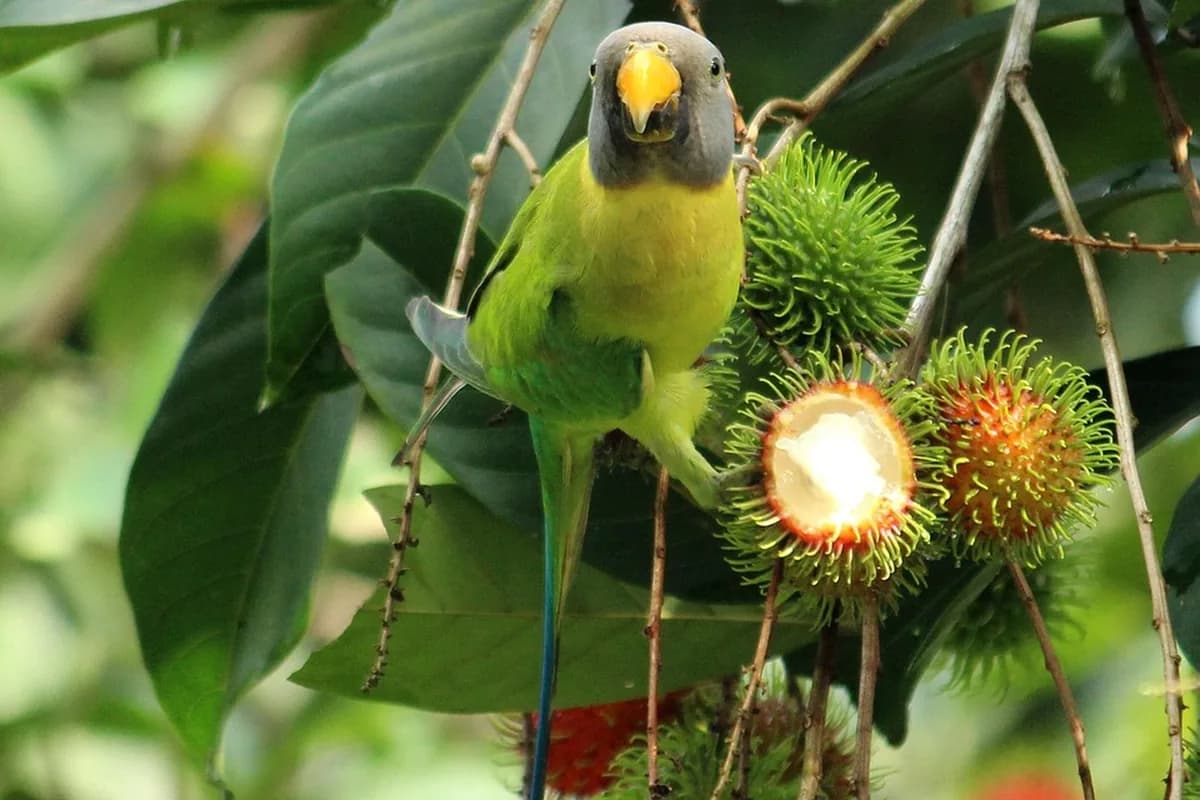
Can Parrots Eat Human Food? A Complete Guide to Sharing Meals
Your parrot wants to eat off your plate. Which human foods are safe to share and which are dangerous?
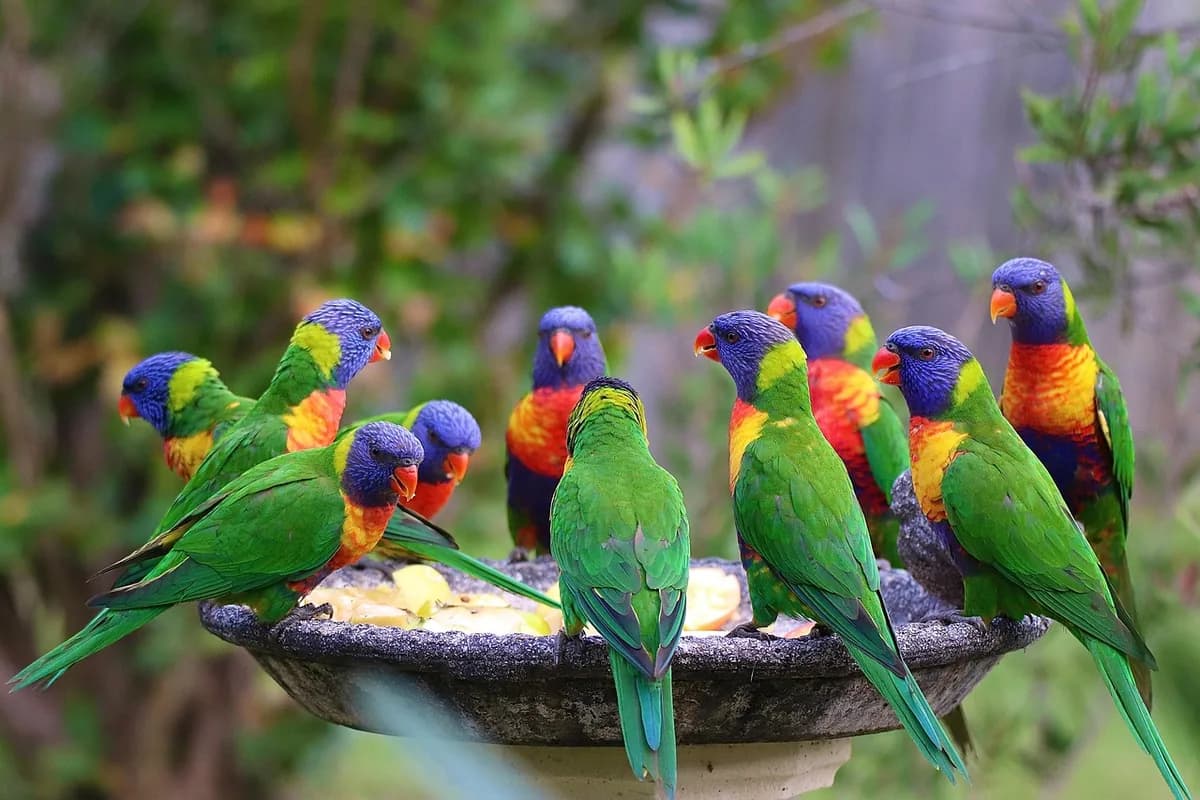
The Complete Guide to Parrot Pellets: Brands, Conversion, and Myths
Pellets should be 50-70% of your parrot's diet, but not all pellets are equal. Here's everything you need to know.
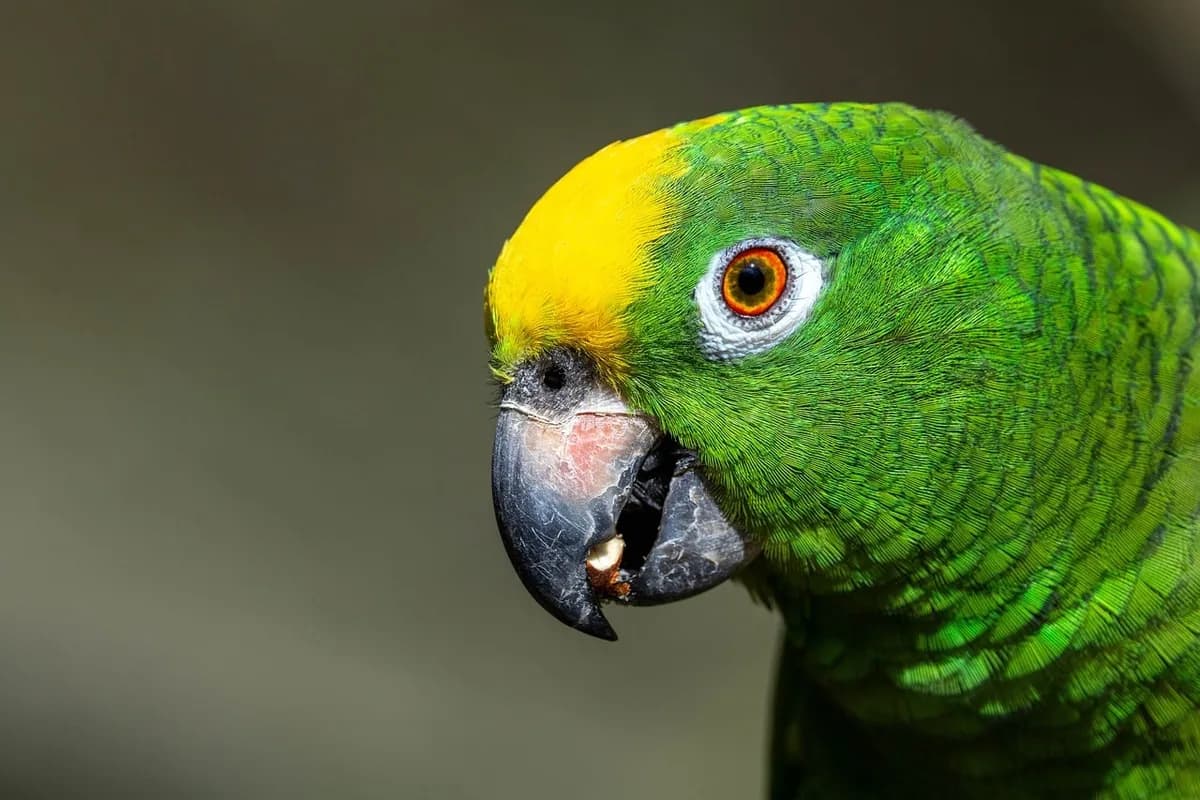
Cooking for Your Parrot: 15 Recipes and Meal Ideas They'll Love
Variety is the spice of your parrot's diet. These easy recipes make feeding time exciting and nutritious.