Out-of-Cage Time: How Much Does Your Parrot Really Need?

Your Parrot's Freedom Flight: Understanding Out-of-Cage Time Needs
Picture this: you're locked in your bedroom all day, every day, with only brief glimpses of the world beyond. Sounds pretty miserable, right? That's essentially what life is like for a parrot without adequate out-of-cage time. As someone who's spent years observing the behavior of over 1,000 birds at Bird Sitting Toronto, I can tell you that out-of-cage time isn't just a nice-to-have — it's absolutely essential for your feathered friend's physical and mental wellbeing.
But here's the thing: not all out-of-cage time is created equal. Simply perching on your shoulder while you binge-watch Netflix doesn't cut it. Your parrot needs meaningful, enriching experiences outside their cage to truly thrive. Let's dive into what that looks like and how much time your specific bird really needs.
Why Out-of-Cage Time Is Non-Negotiable
Physical Exercise and Health
Wild parrots fly miles each day, climb through complex canopies, and engage in constant physical activity. Your living room might not be the Amazon rainforest, but your bird still has those same physical needs hardwired into their DNA.
Without adequate exercise, parrots quickly develop muscle atrophy, poor circulation, and obesity. We see this unfortunately often at BST — birds who arrive overweight and out of shape because they've been spending 22+ hours a day in their cage. The good news is that with consistent out-of-cage time, these health issues are completely preventable.
Mental Stimulation and Environmental Enrichment
A cage, no matter how large or well-equipped, is still a limited environment. Your parrot's brain is designed to process new sights, sounds, textures, and challenges throughout the day. Out-of-cage time provides the mental stimulation that prevents boredom, frustration, and the behavioral problems that often follow.
Think of it this way: would you be satisfied spending your entire day in one room, even if it had everything you technically needed? Your parrot feels the same way.
Social Interaction and Bonding
Parrots are flock animals, and in captivity, you and your family become their flock. Out-of-cage time allows for the kind of meaningful social interaction that strengthens your bond and helps your bird feel secure and loved.
During these interactions, your parrot can engage in natural behaviors like preening near you, playing, and communicating — all crucial for their emotional wellbeing.
Minimum Time Requirements by Species
Here's where things get specific. Different parrot species have varying needs based on their size, intelligence, and natural activity levels. These are the minimums we recommend based on our experience:
Small Species (2-3 hours minimum)
- Cockatiels: 2-3 hours daily
- Lovebirds: 2-3 hours daily
- Parrotlets: 2-3 hours daily
- Budgerigars: 2-3 hours daily
Medium Species (3-4 hours minimum)
- Conures: 3-4 hours daily
- Caiques: 3-4 hours daily
- Senegals and other Poicephalus: 3-4 hours daily
- Quakers: 3-4 hours daily
Large Species (4+ hours minimum)
- African Greys: 4-6 hours daily
- Amazons: 4-5 hours daily
- Eclectus: 4-5 hours daily
- Cockatoos: 4-6 hours daily
- Macaws: 5-6 hours daily
Important: These are absolute minimums. More active, intelligent, or social species often need significantly more time. Many of the large parrots we care for get 6-8 hours of out-of-cage time daily and are much happier for it.
Creating Safe Out-of-Cage Spaces
Essential Bird-Proofing Steps
Before your parrot steps foot (or talon) outside their cage, you need to create a safe environment. Here's your bird-proofing checklist:
Kitchen Safety:
- Never allow birds in the kitchen while cooking
- Teflon and non-stick cookware can release deadly fumes
- Hot surfaces, open flames, and boiling water pose serious risks
Room Hazards:
- Cover or remove mirrors (can cause obsessive behaviors)
- Secure or remove toxic plants
- Close toilet lids (drowning risk)
- Turn off ceiling fans
- Cover windows or use decals to prevent collisions
- Remove or secure electrical cords
Other Pets:
- Dogs and cats should be separated during bird time
- Even friendly pets can accidentally harm a small bird
Setting Up Play Areas
Play Gyms and Trees: A good play gym becomes your bird's "home base" outside the cage. Look for gyms with:
- Multiple perch sizes and textures
- Food and water dishes
- Toy attachments
- A sturdy, tip-resistant base
Designated Bird Rooms: If possible, having one completely bird-proofed room is ideal. This gives your parrot maximum freedom to explore, fly, and exercise naturally.
Pro Tip: Start with shorter supervised sessions in a smaller area, then gradually expand your bird's territory as they become more comfortable and you become more confident in your bird-proofing skills.
What Counts as Quality Out-of-Cage Time
Not all out-of-cage time is equal. Here's what makes the difference between meaningful enrichment and just a change of scenery:
Active Interaction
- Training sessions: Teaching new tricks, practicing step-up commands, or working on flight recall
- Play time: Interactive games, puzzle toys, foraging activities
- Social grooming: Gentle head scratches and preening sessions
Independent Exploration
- Foraging opportunities: Hide treats around the play area
- Toy rotation: Introduce new textures, colors, and challenges
- Climbing and exercise: Provide varied perches and climbing opportunities
What Doesn't Count
While your bird might enjoy sitting on your shoulder during daily activities, this passive time shouldn't be the bulk of their out-of-cage experience. They need active, engaging time to truly benefit.
Species-Specific Out-of-Cage Behaviors
High-Energy Species
Caiques and Conures tend to be acrobatic and playful. They need space to flip, hang upside down, and engage in energetic play.
Cockatoos are incredibly social and often prefer interactive time with their humans over independent play.
Gentle Giants
African Greys are often more cautious and prefer to observe before engaging. They benefit from quiet, consistent routines and mental challenges.
Eclectus parrots tend to be calmer and enjoy foraging activities and gentle exploration.
Active Flyers
Macaws need significant space for wing stretching and, if flight-trained, actual flying time.
Cockatiels are natural flyers and benefit greatly from flight opportunities in safe, enclosed spaces.
Making It Work with Your Schedule
I know what you're thinking: "How can I possibly provide 4-6 hours of out-of-cage time when I work full-time?" Here's the thing — it doesn't all have to happen when you're actively engaging with your bird.
Morning Routine (30-60 minutes):
- Let your bird out while you get ready for work
- Include them in your breakfast routine (safely)
- Quick training session or play time
Evening Time (2-4 hours):
- Out-of-cage time while you cook dinner (in a safe, separate room)
- TV time with interactive toys on their play gym
- Bedtime routine with social interaction
Weekends:
- Longer exploration sessions
- New room adventures
- Extended training or play sessions
Pro Tip: Your bird can be safely out of their cage in a bird-proofed room even when you're not directly interacting with them. Just ensure they're supervised and safe.
Final Thoughts
Out-of-cage time isn't just about giving your parrot a break from their cage — it's about providing opportunities for natural behaviors, physical exercise, mental stimulation, and social bonding that are essential for their wellbeing.
In our experience boarding birds from all walks of life, the happiest, healthiest parrots are those who get consistent, quality time outside their cages. Yes, it requires planning, bird-proofing, and commitment, but the reward is a confident, healthy, well-adjusted companion who truly thrives in your home.
Remember, these time recommendations are minimums, not maximums. The more safe, enriching out-of-cage time you can provide, the better. Your parrot's physical health, mental wellbeing, and your relationship with them will all benefit from making out-of-cage time a non-negotiable part of their daily routine.
Explore related topics
Related Articles

Parrot Foot Health: The Complete Guide to Perches and Exercise
Your parrot's feet are their most important tool. The right perches prevent arthritis, bumblefoot, and pressure sores.
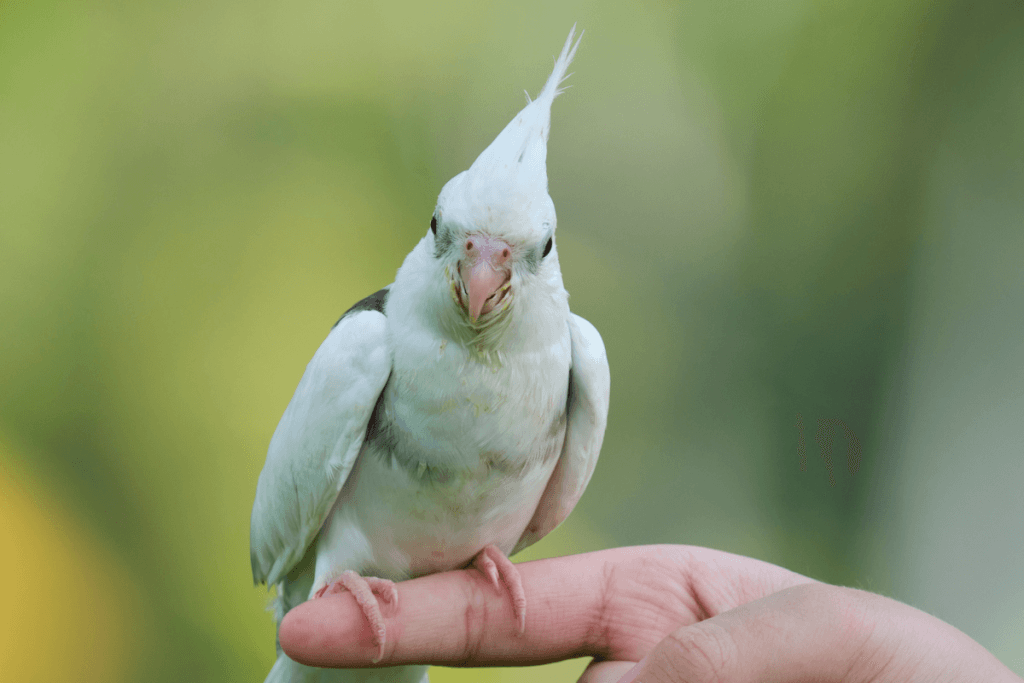
Fun and Easy Ways to Get Your Parrot Moving
Your parrot was built to fly, climb, and forage all day — but cage life makes it easy to become a perch potato. Here's how to turn lazy time into playtime with in-cage climbing, out-of-cage play zones, flapping games, trick training, and a simple daily routine that keeps your bird lean, strong, and mentally sharp.
The Vital Role of Exercise in Your Parrot’s Health
Wild parrots fly for hours every day, but a pet bird can spend most of its life standing still. Here is why daily exercise is non-negotiable for your parrot's heart, weight, and mind, how much your species really needs, and simple ways to keep your bird moving all year in Toronto.