The 'One-Person Bird' Myth: Why Parrots Prefer One Person and How to Fix It
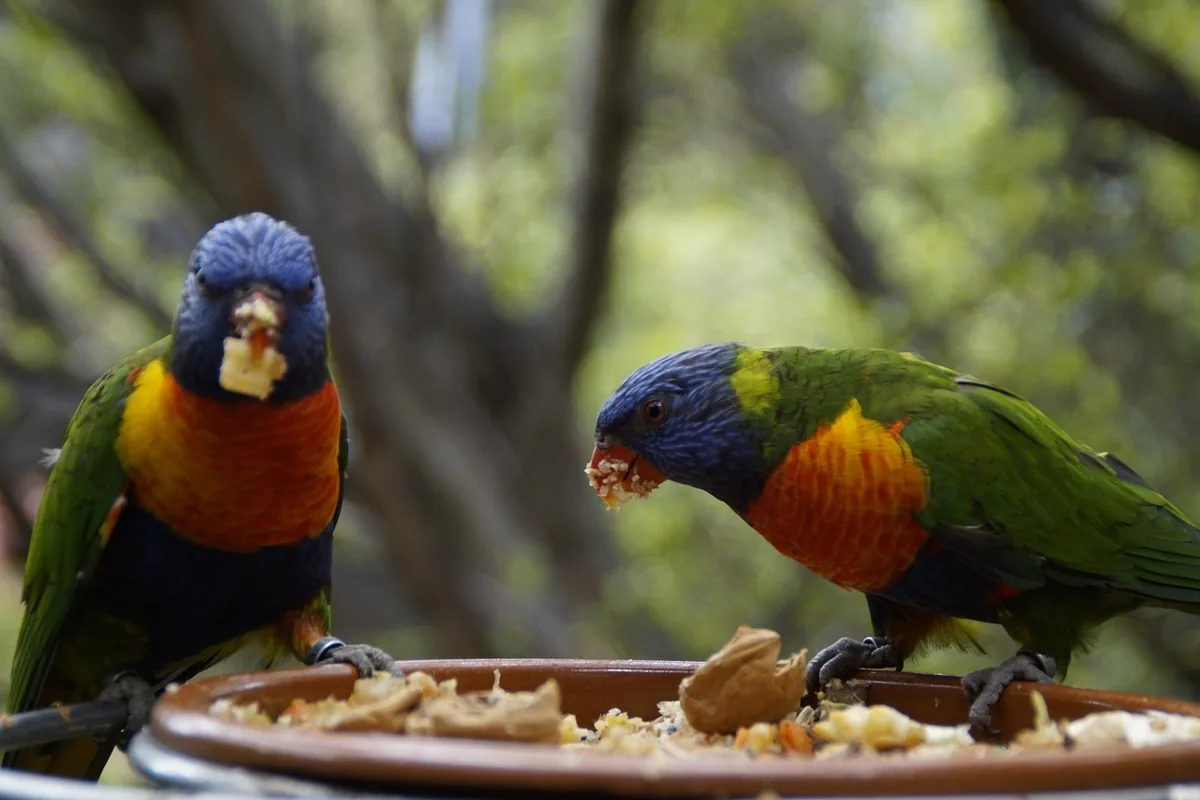
The Truth About "One-Person Birds"
You've probably heard it before: "Oh, that's just a one-person bird." Maybe your cockatiel screams whenever anyone but you walks into the room, or your conure lunges at your partner when they try to offer a treat. Here's the thing — while some parrots do develop intense bonds with one family member, the idea that birds are naturally destined to be "one-person pets" is actually a myth that can create real problems for both birds and families.
In our experience boarding over 1,000 birds at BST, we see this issue constantly. The good news is that with patience and the right approach, you can help your feathered friend become more social and comfortable with multiple people. Let's dive into why this happens and, more importantly, how to fix it.
Why Parrots Become "One-Person Birds"
The Pair Bonding Instinct
Parrots are naturally social creatures, but in the wild, they form intense pair bonds with their mates. When a parrot lives in your home, they often transfer this powerful bonding instinct to one special person — usually whoever spends the most time with them or provides the most care.
This isn't necessarily a sign of love in the way we think about it. It's actually your bird's survival instinct kicking in. In their mind, they've chosen their "mate," and everyone else becomes a potential threat to that bond.
Hormonal Bonding and Sexual Maturity
When parrots reach sexual maturity (typically between 2-4 years old, depending on the species), their hormones can intensify these exclusive bonds. Your sweet, social baby bird might suddenly become possessive and aggressive toward everyone except their chosen person.
We see this transformation frequently with birds that were perfectly friendly as juveniles. Owners are often shocked when their once-social cockatiel suddenly starts attacking family members they used to love.
Early Life Experiences Matter
Who hand-fed your bird as a baby, or who was their primary caregiver during those crucial early months, often becomes their preferred person. If only one family member was involved in the bird's care from the beginning, you're setting up for potential one-person bonding down the road.
Reinforcement Through Daily Routines
Sometimes we accidentally create one-person birds through our daily habits. If only one person feeds the bird, lets them out of the cage, or provides all the fun interactions, the bird naturally becomes more bonded to that individual.
Why Being a "One-Person Bird" Is Actually a Problem
Aggression Toward Family Members
When your bird sees other people as threats to their special bond with you, they may bite, lunge, or scream at family members. This creates stress for everyone in the household and can make your bird genuinely feared by other family members.
Over-Dependence and Anxiety
A bird that's bonded to only one person often becomes anxious and stressed when that person isn't around. They may refuse to eat, engage in destructive behaviors, or develop stress-related health issues.
Limited Socialization Opportunities
One-person birds miss out on the enrichment that comes from interacting with different people. This can lead to behavioral problems and reduced quality of life.
Boarding and Emergency Challenges
What happens when you need to travel or face a family emergency? Birds that only trust one person have a much harder time adjusting to boarding situations or temporary care arrangements.
Important: At BST, we've seen birds refuse to eat for days when separated from their bonded person. This level of dependence isn't healthy for anyone involved.
How to Encourage Multi-Person Socialization
Start with Positive Associations
The key is helping your bird form positive associations with everyone in the family, not just their chosen person. Here's how to begin:
All Family Members Should:
- Offer high-value treats (save the best ones for non-preferred people)
- Speak to the bird in calm, friendly tones
- Respect the bird's boundaries while gradually building trust
- Participate in daily care routines when possible
Implement Target Training
Target training is one of the most effective tools for socializing birds with multiple people. It gives the bird a clear, positive way to interact with different family members while maintaining their sense of control.
How to Start:
- Begin with the bird's preferred person teaching the basic target behavior
- Gradually introduce other family members to the training sessions
- Have each person take turns being the trainer
- Always reward successful targeting with treats and praise
Rotate Care Responsibilities
Instead of having one person do everything, divide daily care tasks among family members:
Daily Task Rotation:
- Morning feeding: Rotate weekly between family members
- Cage cleaning: Different person each time
- Out-of-cage time: Share supervision duties
- Bedtime routine: Take turns putting the bird to bed
Strategic Treat Distribution
Make sure your bird's favorite treats come from everyone, not just their preferred person. In fact, consider having the non-preferred people be the exclusive providers of the most coveted treats.
Pro Tip: Keep a special treat that only comes from other family members. Your bird will start looking forward to interactions with everyone when they know good things come from all directions.
Managing Jealous and Protective Behavior
Don't Reinforce Aggressive Behavior
When your bird acts aggressively toward other family members, avoid these common mistakes:
- Don't rush to "rescue" your bird from interactions with others
- Don't allow your bird to chase other people away from you
- Don't give extra attention immediately after aggressive episodes
Set Boundaries Around Exclusive Behaviors
Your bird shouldn't get to decide who can and can't approach you. Here are some strategies:
Establish Clear Rules:
- Don't allow your bird to sit on your shoulder when other family members are present
- Practice "step up" commands with multiple people
- Don't let your bird have exclusive access to your attention during family time
Use Environmental Management
Sometimes you need to manage the environment to reduce opportunities for jealous behavior:
- Place perches at neutral locations where the bird can see everyone
- Avoid having your bird on your person during family meals or gatherings
- Create positive experiences in spaces where the whole family spends time
Address Hormonal Triggers
During breeding season, hormonal birds may become more possessive. Help manage this by:
- Ensuring 10-12 hours of uninterrupted darkness each night
- Avoiding petting that might trigger hormonal responses (back, under wings, vent area)
- Reducing rich foods that can stimulate breeding behaviors
- Maintaining consistent routines to reduce stress
Warning: Never punish aggressive behavior harshly. This often makes the problem worse by increasing your bird's stress and fear of other people.
Building Long-Term Success
Consistency Is Key
Everyone in the family needs to follow the same approach. Mixed messages will confuse your bird and slow progress. Make sure all family members understand the training plan and stick to it.
Patience With the Process
Changing established bonding patterns takes time — sometimes months. Don't get discouraged if progress seems slow. We've seen birds that took six months to warm up to other family members eventually become wonderfully social pets.
Celebrate Small Victories
Notice and reward small improvements. Maybe your bird didn't lunge when your partner walked by, or they accepted a treat from your child for the first time. These moments matter.
Professional Help When Needed
If your bird's aggression is severe or you're not seeing progress after several months of consistent work, consider consulting with an avian behaviorist. Some cases require more specialized intervention.
Final Thoughts
The "one-person bird" myth has caused countless families to accept problematic behaviors as inevitable, but that's simply not true. While parrots do have natural bonding instincts, they're also incredibly adaptable and social creatures when given the right opportunities.
At BST, we've worked with hundreds of so-called "one-person birds" who've learned to enjoy relationships with multiple caregivers. It takes patience, consistency, and a willingness to change some established routines, but the results are worth it. Your bird will be happier, more confident, and better able to handle life's inevitable changes when they feel comfortable with multiple people.
Remember, you're not trying to weaken your special bond with your bird — you're helping them expand their capacity for trust and friendship. That's a gift that will benefit everyone in your family, including your feathered friend.
Explore related topics
Related Articles
Ethical Bird Ownership: Breeder, Rescue, or Pet Store?
Where you get your bird matters — for the bird, for the species, and for the industry. Here's an honest look.
How Parrots Bond with Humans: The Science of the Human-Bird Relationship
The bond between a parrot and their human is real, deep, and scientifically documented. Here's how it works.
Joining the Bird Community: Clubs, Forums, and Resources for Parrot Owners
You don't have to figure out bird ownership alone. Here's where to find your bird-loving community.