Parrot Socialization: Raising a Confident, Well-Adjusted Bird
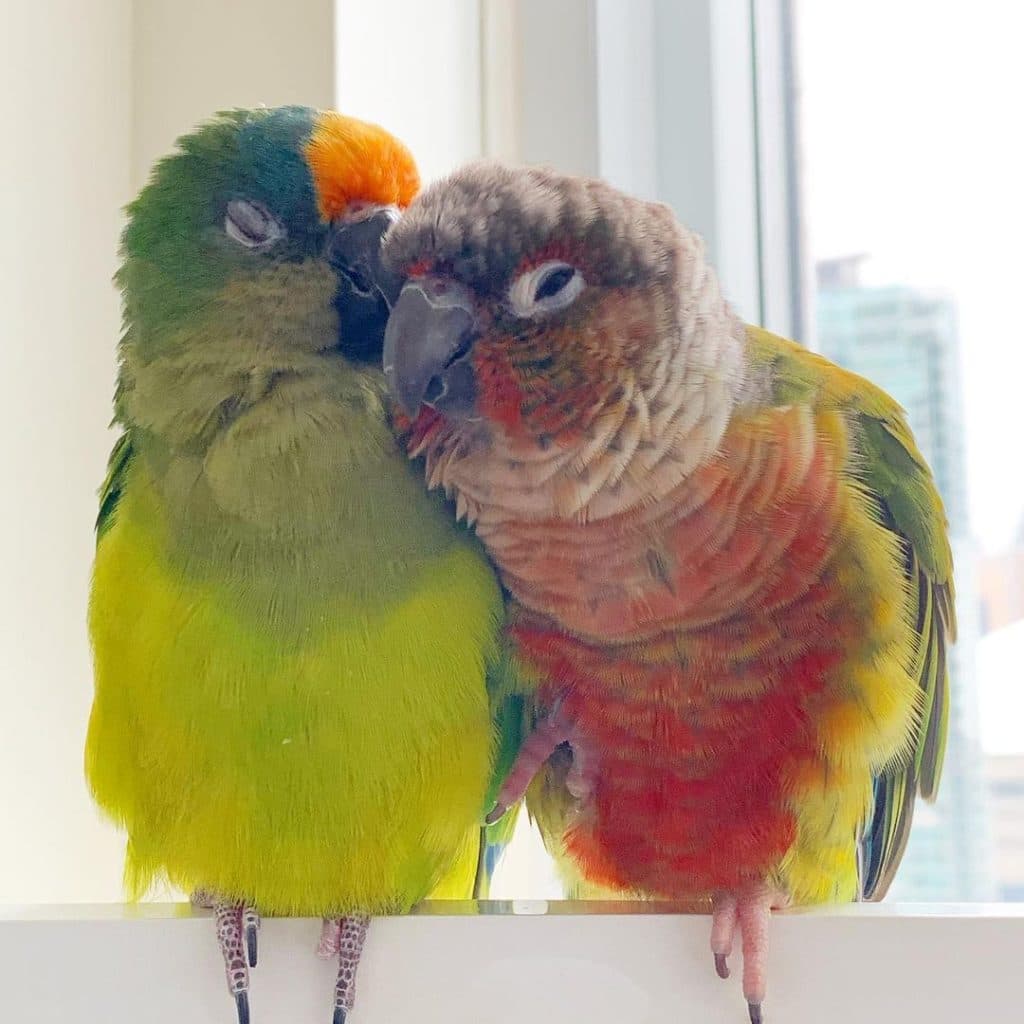
Socialization is the lifelong process of teaching your parrot to live confidently and calmly inside a human home — in other words, helping a wild-hearted animal understand and trust its new flock. Parrots are not domesticated the way dogs and cats are; even a hand-raised bird is only a generation or two removed from the wild. That is exactly why socialization matters so much, and why it never truly ends.
At Bird Sitting Toronto, where we board hundreds of birds every year, the single clearest predictor of a relaxed, easy-to-care-for guest is early, thoughtful socialization. Well-socialized birds settle faster, eat better away from home, and cope with change instead of unraveling because of it.
Why Socialization Matters
In the wild, parrots are intensely social. Most species live in flocks, forage together, preen one another, and communicate constantly. Young parrots often stay with their parents for up to two years after fledging and weaning — an extended apprenticeship in which they learn what is safe to eat, who to trust, how to read the flock, and how to stay out of danger.
Your living room is now that flock. Through socialization, your parrot learns the "rules" of the human world: what earns attention, what does not, how to accept handling, and how to feel secure when the routine shifts. Birds who get this foundation tend to be more confident, curious, playful, and independent, and they adjust more easily to new people, rooms, and routines.
The reverse is also true. Avian veterinary consensus links chronic under-socialization and unmet social needs to fear, excessive clinginess, biting, screaming, and self-directed behaviours such as feather-destructive plucking. Because parrots are so intelligent, an under-stimulated, isolated bird does not simply "get bored" — it can develop lasting behavioural and welfare problems.
Tip: Think of socialization as a form of enrichment, not obedience training. You are not trying to make your parrot submissive; you are expanding the range of things it finds safe and interesting.
The Learning Windows
Socialization is easiest — but never finished — in a bird's first months.
Baby and juvenile birds
The weeks after weaning are a golden window. Young parrots are naturally curious and less neophobic (fearful of new things) than adults, so this is the time to gently expose them to different people, sounds, textures, foods, and safe handling. Positive early experiences set the emotional tone for a lifetime.
Adult and rehomed birds
If you have adopted an older, shy, or previously neglected parrot, you have not "missed your chance." Adult birds absolutely learn — they simply move at their own pace and need patience. Progress is measured in weeks and months, on the bird's terms, never forced.
Warning: Never flood a fearful bird by forcing contact — grabbing, cornering, or "making" it step up when it is terrified. Flooding erodes trust and can create biting and a bird that panics at hands. Go slower than you think you need to.
How to Socialize Your Parrot
Parrots, like all intelligent animals, learn by doing. The goal is a steady stream of safe, positive, choice-based experiences. Use positive reinforcement — reward what you like with a favourite treat, attention, or a preferred perch — and simply ignore what you do not want, rather than punishing it.
People and gentle handling
Introduce new people calmly and let the bird approach on its own timeline. Practise foundational husbandry behaviours a little each day: stepping up onto a hand or perch, accepting a towel, walking into a travel carrier, and tolerating gentle wing and foot handling. These small, cooperative skills make vet visits, nail trims, and boarding far less stressful for everyone.
New foods
Food exploration is socialization too, and variety builds a resilient bird. Build the diet on a base of high-quality pellets — roughly 75 to 80 percent for most parrots — plus fresh, veg-forward foods (about 20 to 25 percent) and only a small ration of seeds and nuts (around 5 percent) as training treats. Budgies and cockatiels should still be mostly pellets, but they convert slowly, so keep offering chopped veg and sprouts patiently. Introducing new textures, colours, and foraging toys keeps mealtimes mentally engaging.
Warning: As you broaden the menu, keep these foods strictly off the table. They are toxic or dangerous to birds:
Food Why it is dangerous Avocado Contains persin, which can be fatal to birds Chocolate Theobromine is toxic Caffeine (coffee, tea, cola) Cardiac stimulant Alcohol Toxic even in small amounts Onion and garlic Damage red blood cells Fruit pits and apple seeds Release cyanogenic compounds Salt, uncooked beans, mushrooms Toxic or hard on the system Note that hookbill parrots do not need grit — offering it can cause crop or gut impaction.
Toys, environments, and novelty
Rotate toys, rearrange perches, and let your bird safely explore new rooms and views (always supervised and out of reach of ceiling fans, open water, other pets, and windows). Managed novelty keeps a curious mind sharp. Dr. Irene Pepperberg's decades of work with African grey parrots showed they can grasp concepts like colour, shape, number, and category — a reminder that you are caring for a genuinely thinking animal that needs mental work, not just a cage.
Meeting other birds
Bird-to-bird introductions must be slow and supervised. Quarantine any new arrival first, then let the birds see each other from separate cages for days to weeks before any shared, closely watched, neutral-territory time. Never assume two parrots will bond — some do, many prefer to be flockmates at a distance, and a bad first meeting can cause lasting fear or injury.
Reading Your Parrot's Body Language
Socialization only works if you listen. Learning your bird's signals lets you push forward when it is relaxed and back off before fear turns into a bite.
| You see | It often means | Your move |
|---|---|---|
| Loose feathers, gentle beak grinding, exploring toys | Relaxed and content | Good time to interact or introduce something new |
| Leaning toward you, soft eye contact, stepping up willingly | Trusting and engaged | Reinforce with a treat or attention |
| Pinned (rapidly flashing) eyes, raised nape feathers | Excited or over-aroused | Pause; give space before continuing |
| Leaning away, crouching, tail fanned, beak open | Fearful or defensive | Stop and reduce pressure immediately |
| Feather plucking, screaming, repetitive pacing | Chronic stress or unmet needs | Reassess routine and see an avian vet |
Tip: When you are unsure, choose calm and slow. You can always ask for more tomorrow; you cannot un-scare a bird as quickly as you frightened it.
The Bottom Line
Socialization is not a one-time task you finish — it is a relationship you keep building. Offer safe experiences, reward confidence, respect your bird's pace, and read its body language honestly, and you will raise a parrot that is curious, resilient, and genuinely happy to share your flock. If you ever see sudden behaviour changes, persistent fear, or feather-destructive behaviour, loop in an avian veterinarian; sometimes what looks behavioural has a medical root worth ruling out.
Explore related topics
Related Articles
Ethical Bird Ownership: Breeder, Rescue, or Pet Store?
Where you get your bird matters — for the bird, for the species, and for the industry. Here's an honest look.
How Parrots Bond with Humans: The Science of the Human-Bird Relationship
The bond between a parrot and their human is real, deep, and scientifically documented. Here's how it works.
Joining the Bird Community: Clubs, Forums, and Resources for Parrot Owners
You don't have to figure out bird ownership alone. Here's where to find your bird-loving community.