The Importance of Social Interaction for Parrots
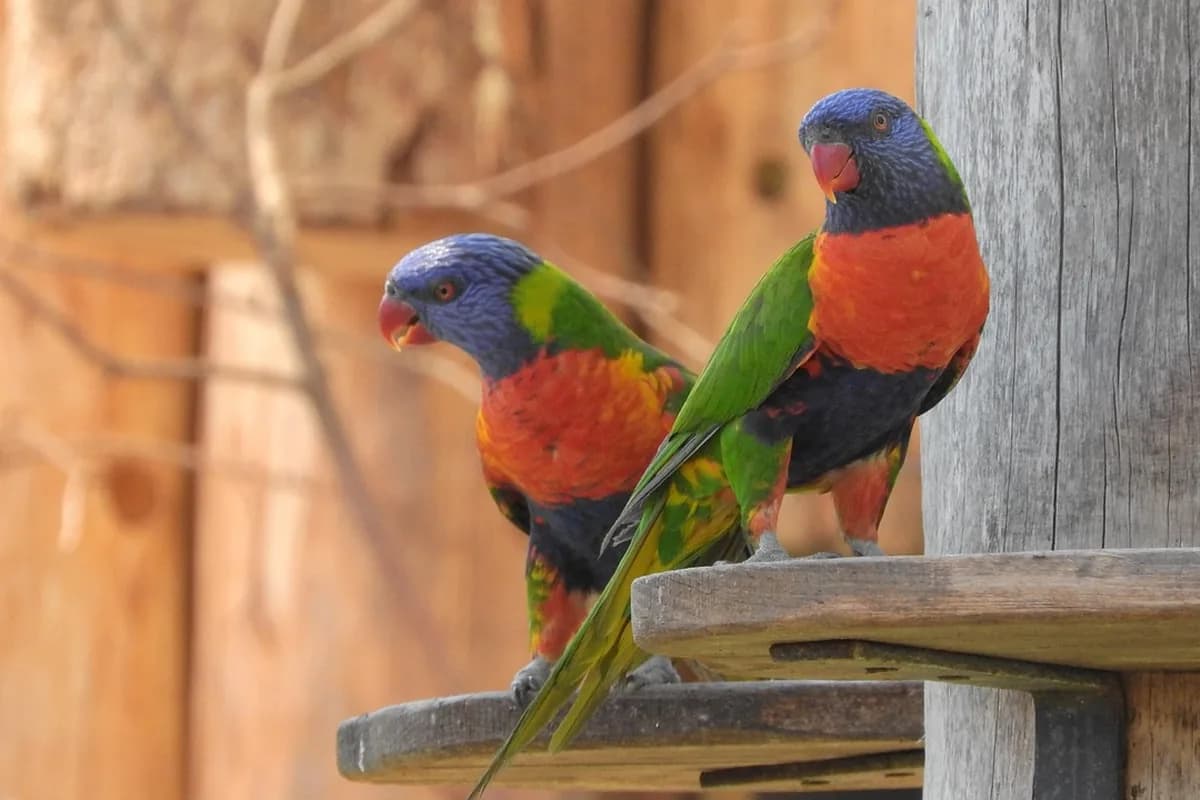
Parrots are naturally social, flock-dwelling animals that thrive on companionship and interaction. In the wild, they are almost never alone. Being part of a flock provides both emotional and physical security, and daily life is a shared affair: they eat together, fly together, preen one another, bathe, climb, play, roost, and keep up an almost constant conversation of calls. That wiring does not switch off when a parrot moves into a living room in Toronto. Your bird still expects a flock, and in your home, you are it.
"One of the hardest things for a crow, raven, wolf, or human is to feel alone and separated from their own kind. A sense of belonging is one of the most universal of all feelings." — Lawrence Kilham, 1989
At Bird Sitting Toronto, where we care for hundreds of birds every year, the single trait that separates a confident, well-adjusted parrot from an anxious one is rarely the size of its cage or the brand of its pellets. It is whether the bird has learned that it belongs to a flock that reliably answers it. Social connection is not a luxury layered on top of good husbandry. It is husbandry.
Why Isolation Is So Hard on Parrots
A parrot left alone for long stretches, without affection or engagement, struggles to build a healthy sense of belonging. Over time, chronic loneliness and boredom are recognized by avian veterinarians as major drivers of behavioural and physical problems. According to the Association of Avian Veterinarians and the Merck Veterinary Manual, an under-stimulated, socially deprived parrot commonly develops:
- Feather-destructive behaviour (chewing, plucking, or barbering feathers), often starting on the chest and legs the bird can reach.
- Stereotypies such as pacing, route-tracing along a perch, toe-tapping, or repetitive head-swinging with no purpose.
- Excessive screaming, which is frequently a contact call escalating because no one answered.
- Shut-down or fearful postures, appetite changes, and what avian veterinary consensus describes as depression-like withdrawal.
The intelligence that makes parrots such rewarding companions is exactly what makes isolation so damaging. Dr. Irene Pepperberg's decades of work with African greys demonstrated cognitive and communicative abilities comparable in some respects to a young child. A mind that capable, left with nothing to engage and no one to engage with, turns that energy inward.
Warning: Feather-plucking and sudden behaviour changes are not automatically "just loneliness." Skin infections, mites, allergies, giardia, heavy-metal toxicity, pain, and hormonal or nutritional issues can all cause the same signs. Always have an avian veterinarian rule out medical causes first, before treating plucking or self-harm as a purely behavioural or social problem.
Your Family Is the Flock
The good news is that a parrot's strong instinct to bond works in your favour. Given respect and consistent attention, most parrots readily accept their human household as their new flock. The goal is not to entertain your bird every waking minute. It is to weave the bird into the ordinary rhythm of your home so it feels included rather than parked.
Here are a few simple, reliable ways to help your parrot feel connected:
- Treat your parrot as an equal member of the family. Give it the same respect and attention you would give any loved one, not the attention you give an ornament.
- Include it in everyday activities. Even mundane tasks like folding laundry, cooking, or working at a desk are engaging to a curious bird that simply wants to be near its flock.
- Share mealtimes. Eating together is powerful flock behaviour. Offer your bird its own healthy portion at the table (bird-safe foods only) so it joins the meal rather than watching from another room.
- Create daily bonding routines. Play games, sing songs, and build small rituals — a morning greeting, a goodbye phrase, a settle-down cue at night. Predictable rituals tell a flock animal it is safe.
- Respond to contact calls. When your bird calls and you are in another room, call back. That simple acknowledgement is the flock saying "I'm here, you're not alone."
Tip: Learn the difference between a contact call and a scream. A contact call is your bird checking that the flock is still there. If you answer it calmly and consistently, most birds relax and quiet down. Ignore it, and the call escalates into the piercing scream owners find so hard to live with. Answering the small calls prevents the big ones.
A Realistic Daily Social Plan
Quality matters more than raw hours, but there does need to be enough of it. The table below is a practical starting point for a single companion parrot; adjust for your species and your bird's temperament.
| Interaction | Roughly how often | What it looks like |
|---|---|---|
| Focused one-on-one time | 1–2 sessions daily, 20–30 min each | Training, step-ups, cuddles or head scratches if welcomed, foraging games |
| Passive "flock" time out of cage | A few hours across the day | Bird on a stand or play gym in the room while you go about your life |
| Contact-call check-ins | Throughout the day | A quick spoken reply whenever your bird calls to you |
| Foraging and independent play | Daily, ideally always available | Foraging toys, shreddables, puzzle feeders that occupy the bird when you step away |
| Novelty and enrichment | Rotate every few days | New toys, new perches, a change of scenery, safe household exploration |
Enrichment is not a substitute for social time, but it is essential alongside it. Foraging toys and puzzles teach your bird to occupy itself, which is what lets it stay calm and content during the normal stretches when you cannot be fully present.
Prevent One-Person Over-Bonding
Social does not mean bonded to exactly one human. A very common problem, especially in cockatoos, greys, and Amazons, is a bird that fixates on a single favourite person, treats that person as a mate, and becomes anxious, jealous, or aggressive toward everyone else. An over-bonded bird can scream whenever its person leaves the room, bite other family members, and fall apart the moment that one person travels.
You can build resilience from the start:
- Spread the care around. Have every willing member of the household feed, train, and offer treats so the bird associates good things with more than one person.
- Keep interactions above the shoulders off-limits and avoid stroking down the back or under the wings, which many birds read as mating behaviour and which can drive hormonal, possessive attachment.
- Encourage independent play daily so the bird's whole sense of security does not rest on one human being physically present.
A parrot that is comfortable with several people, and comfortable entertaining itself, is a happier bird and a far easier one to care for through the inevitable disruptions of real life.
When Life Gets Busy — Absences, Work, and Travel
Even devoted owners have work days, trips, and family emergencies. Parrots handle these far better when they have not been trained to depend on a single, uninterrupted presence. A bird that already knows several caregivers, plays independently, and trusts that contact calls get answered will cope with a busy week or a vacation with much less stress.
This is where thoughtful boarding matters. A confident, well-socialized parrot boards more easily because it is used to more than one human and to new environments. When you do need to be away, a calm, bird-experienced environment where your parrot is talked to, fed on schedule, and treated as part of the flock is worlds better than being left home alone with a neighbour dropping in once a day. That social continuity is the whole point of proper bird care, whether the caregiver is you or someone you trust.
To foster a strong, healthy relationship, it helps to think of socialization as a skill you practise on purpose: offer attention, structure, and gentle guidance every day. Do that consistently, and your bird will feel what every flock animal is built to feel — safe, included, and genuinely part of the family.
Explore related topics
Related Articles
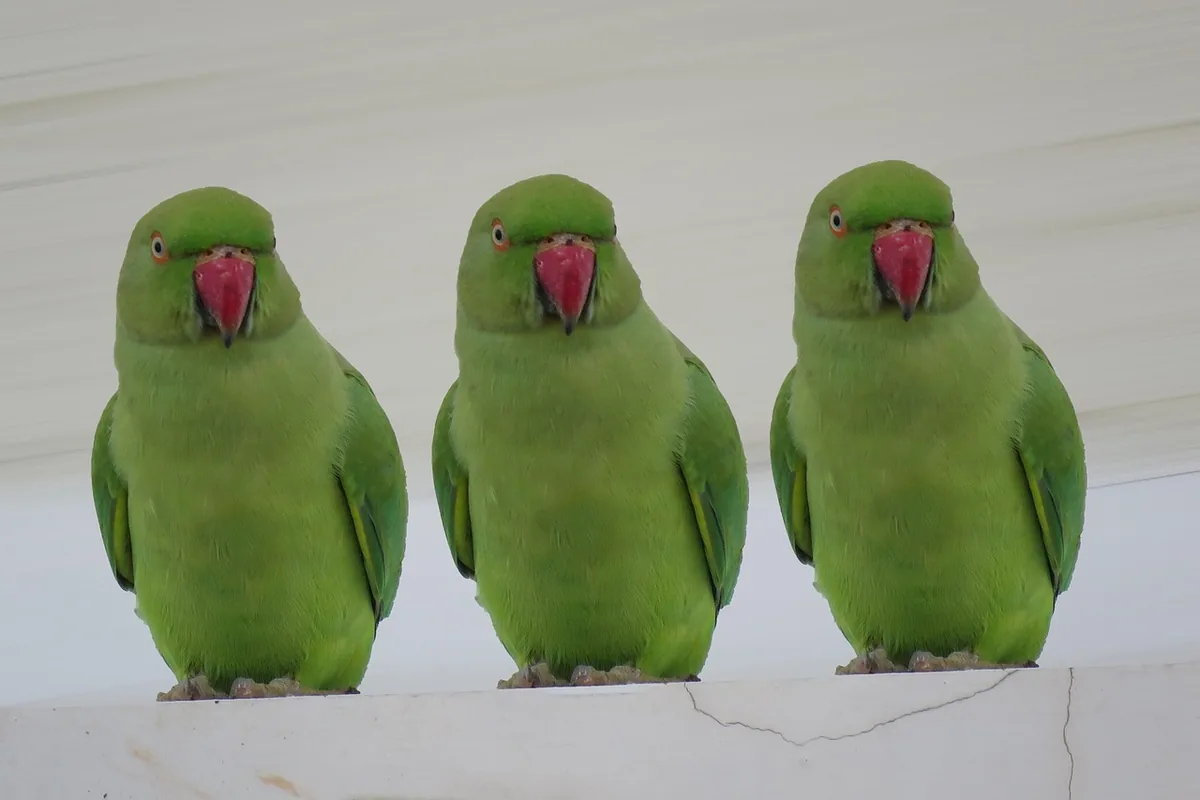
Ethical Bird Ownership: Breeder, Rescue, or Pet Store?
Where you get your bird matters — for the bird, for the species, and for the industry. Here's an honest look.
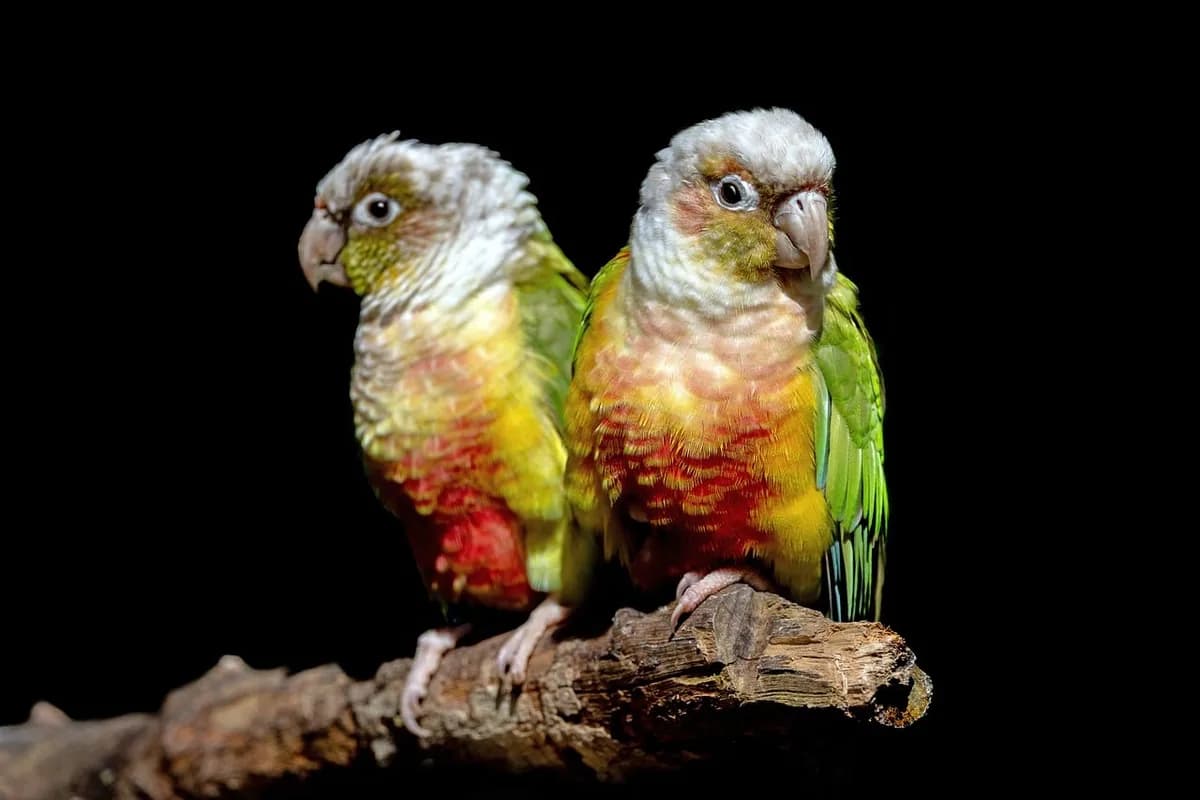
How Parrots Bond with Humans: The Science of the Human-Bird Relationship
The bond between a parrot and their human is real, deep, and scientifically documented. Here's how it works.
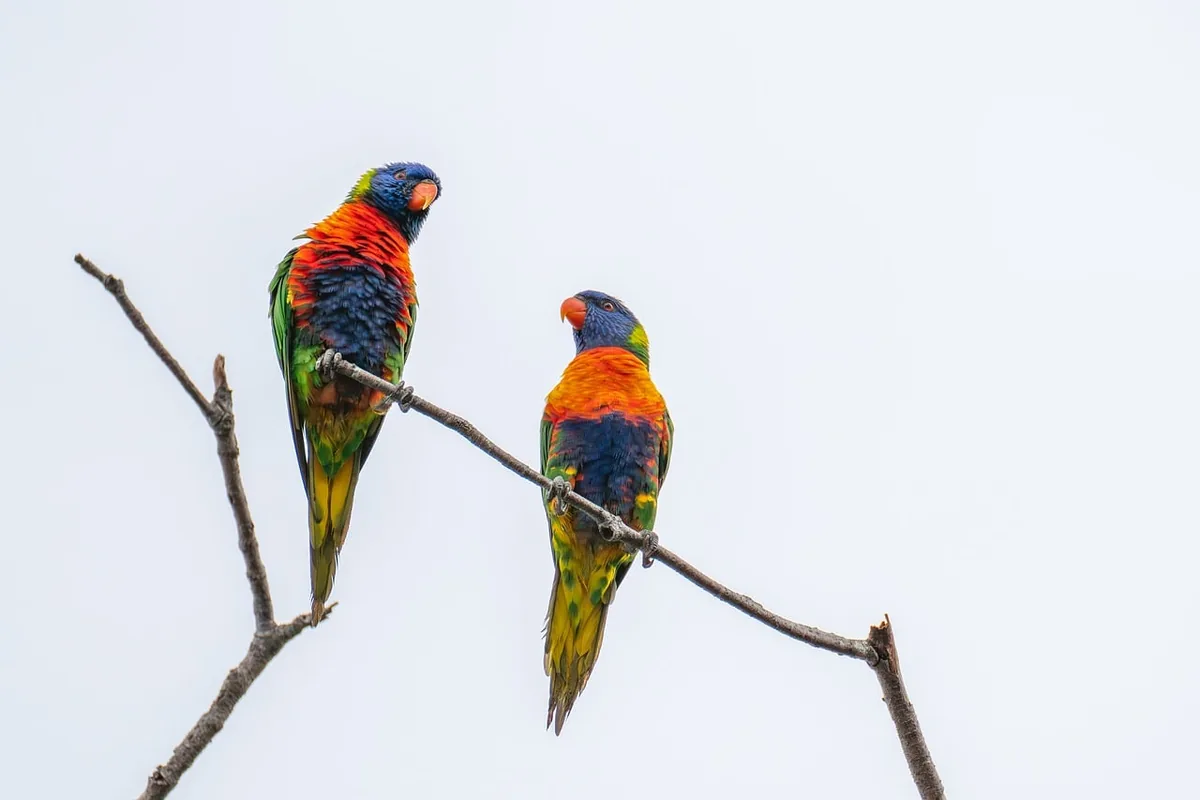
Joining the Bird Community: Clubs, Forums, and Resources for Parrot Owners
You don't have to figure out bird ownership alone. Here's where to find your bird-loving community.