The Importance of Quality Sleep for Your Parrot
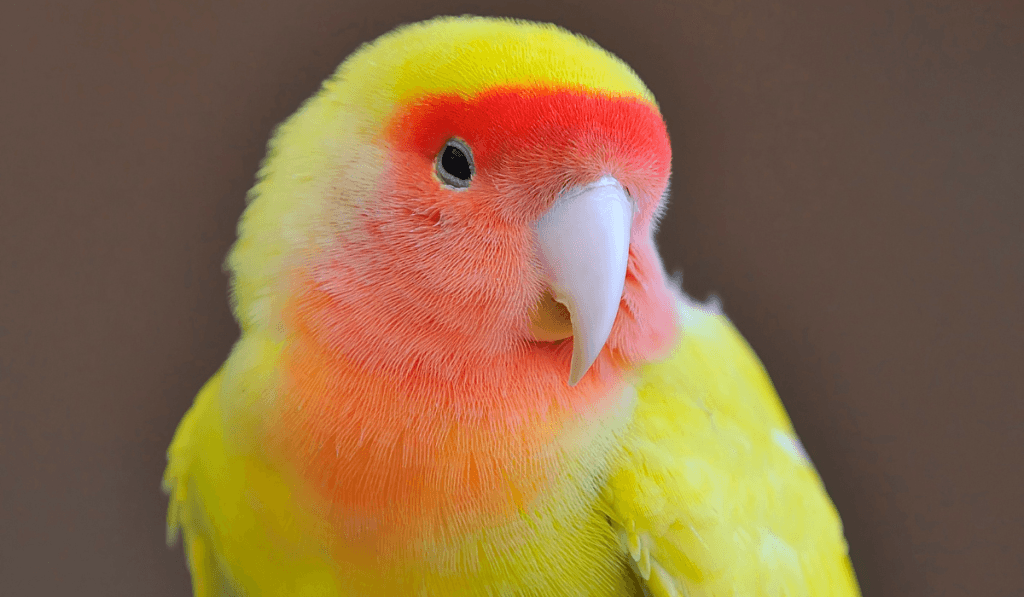
Just as sunlight plays a vital role in your parrot’s health, so too does exposure to complete darkness. Quality sleep is one of the most underrated pillars of your bird’s physical and emotional well-being, and it begins with honoring the natural rhythms your bird was built for. At Bird Sitting Toronto, where we board hundreds of birds every year, the single change that settles an anxious, over-tired parrot the fastest is almost always a better night’s sleep.
Why Darkness Matters
Most companion parrots trace their ancestry to tropical and subtropical regions near the equator, where daylight and darkness are split into roughly 12-hour cycles year-round. In the wild, that steady photoperiod acts like a master clock: it regulates sleep, appetite, molting, and breeding hormones. When you recreate that balance at home, you are not just being kind — you are supporting the physiology your bird evolved with.
The mechanism is light itself. Darkness prompts the release of melatonin, the hormone that tells the body it is time to rest and repair; bright light suppresses it. That is why a cage parked under a lamp, a glowing TV, or a Toronto streetlight bleeding through the blinds can leave a bird wired at midnight even when the house is quiet. Long artificial "days" also read as breeding season to a parrot's endocrine system, which can fuel hormonal behavior, chronic egg-laying, and aggression.
Unlike most humans, parrots need 10 to 12 hours of uninterrupted darkness every night. Avian veterinary consensus, echoed by the Merck Veterinary Manual and the Association of Avian Veterinarians, treats that long, consistent night as a baseline welfare requirement — not a luxury. Yet many pet birds are quietly forced onto their household's schedule: awake for late-night TV, jolted by an early alarm, or unable to settle through evening dinner-and-dishes noise.
The Role of Instinct in Sleep
Parrots are prey animals, wired to stay alert during daylight to watch for predators. Night, in the wild, is when many of those predators are inactive, so darkness signals safety and permits the deep, restorative sleep a bird cannot risk during the day. That instinct comes indoors with them. If the room stays bright, busy, or noisy after dark, a parrot may perch with one eye open — physically in its cage but never truly asleep. Broken, shallow sleep is nearly as harmful as too few hours.
What Sleep Deprivation Costs Your Bird
When a parrot is chronically short on quality sleep, the effects show up across its health and behavior:
- A weakened immune system and slower recovery from minor illness
- Low energy, irritability, and a shorter fuse
- Stress-driven habits such as feather plucking, excessive screaming, or biting
- Reinforced hormonal behavior when long light exposure mimics breeding season
Crucially, a sleep-deprived bird often looks like a "behavior problem." Owners reach for training fixes when the real answer is a darker, longer, quieter night.
Building a Real Sleep Routine
Good sleep is a routine, not a single gadget. The goal is a predictable, dark, calm, comfortable night that starts at roughly the same time every day.
| Sleep factor | Aim for this | Common mistake |
|---|---|---|
| Hours of darkness | 10–12 hours, uninterrupted | 7–8 hours on the human schedule |
| Light level | Fully dark; block streetlight and screens | Nightlight, TV glow, hallway light |
| Noise | Quiet, or steady low white noise | Evening TV, dishes, conversation |
| Schedule | Same bedtime and wake time daily | Bedtime drifting with your evening |
| Location | Low-traffic room or a sleep cage | Busy living room after dark |
| Temperature | Comfortable, roughly 18–24°C (65–75°F) | Cold drafts or a chilly basement |
A few specifics make the difference:
- A wind-down window. Give your bird 20 to 30 minutes of calm before lights-out — dimmed lights, softer voices, cover going on. Abrupt darkness mid-activity is jarring.
- A dedicated sleep cage. In a bright condo or a home that stays lively at night, a second, simple cage in a dark, undisturbed room is the most reliable fix. It need only hold a comfortable perch, water, and quiet.
- Blackout the room. Heavy curtains or blackout blinds tame outside light, and a breathable cage cover adds a final layer of security.
Tip: Keep the sleep space cool but draft-free. A perch near a leaky Toronto window in January can chill a bird overnight; move the cage inward, away from the cold glass.
Tip: Aim for consistency over perfection. A bird that goes to sleep and wakes at the same times, even if the window is 10 hours rather than 12, rests better than one on a schedule that shifts nightly.
A Word on Sleep Tents
Soft sleep tents and snuggle huts feel cozy, but many avian veterinarians advise against them. Frayed fabric threads can wrap around toes or be swallowed and cause a crop impaction, and — because a dark, enclosed cavity reads as a nest — huts frequently trigger hormonal and territorial behavior, especially in hens. A covered cage or a dim sleep room gives the same sense of security without the risks.
Warning: If your bird already guards, mates with, or obsessively burrows into a tent or hut, remove it and rely on a cage cover instead. Persistent nesting behavior can lead to chronic egg-laying, which drains calcium and can become a medical emergency.
When Sleep Alone Isn’t the Answer
If you have given your parrot a genuinely dark, quiet 10 to 12 hours and it is still restless, plucking, screaming, or thrashing at night, it is time to involve an avian vet. Persistent night thrashing — the sudden panic known as "night frights," most common in cockatiels — can be eased with a low, dim nightlight outside the sleep room so a startled bird can orient instead of flailing into the bars. But ongoing sleeplessness, feather damage, or breathing changes can also signal pain, illness, or a hormonal problem that a routine cannot fix on its own.
Helping your parrot follow a consistent, restful sleep routine pays off in a stronger immune system, calmer behavior, and a brighter, more engaged companion by day. In our experience boarding birds across Toronto, a good night in the dark is the closest thing there is to a reset button.
Explore related topics
Related Articles
Best Air Purifiers for Bird Owners: Protecting Your Bird's Lungs
Birds have incredibly sensitive respiratory systems. The right air purifier can literally save your bird's life.
Creating a Parrot-Safe Outdoor Space: Aviaries and Screen Porches
Fresh air and sunshine are incredible for parrots. Here's how to give outdoor time safely.
Humidity and Temperature Guide for Pet Birds: Creating the Perfect Environment
Canadian winters are brutally dry for tropical birds. Here's how to maintain ideal humidity and temperature.