Creating a Parrot-Safe Outdoor Space: Aviaries and Screen Porches
The Life-Changing Gift of Fresh Air
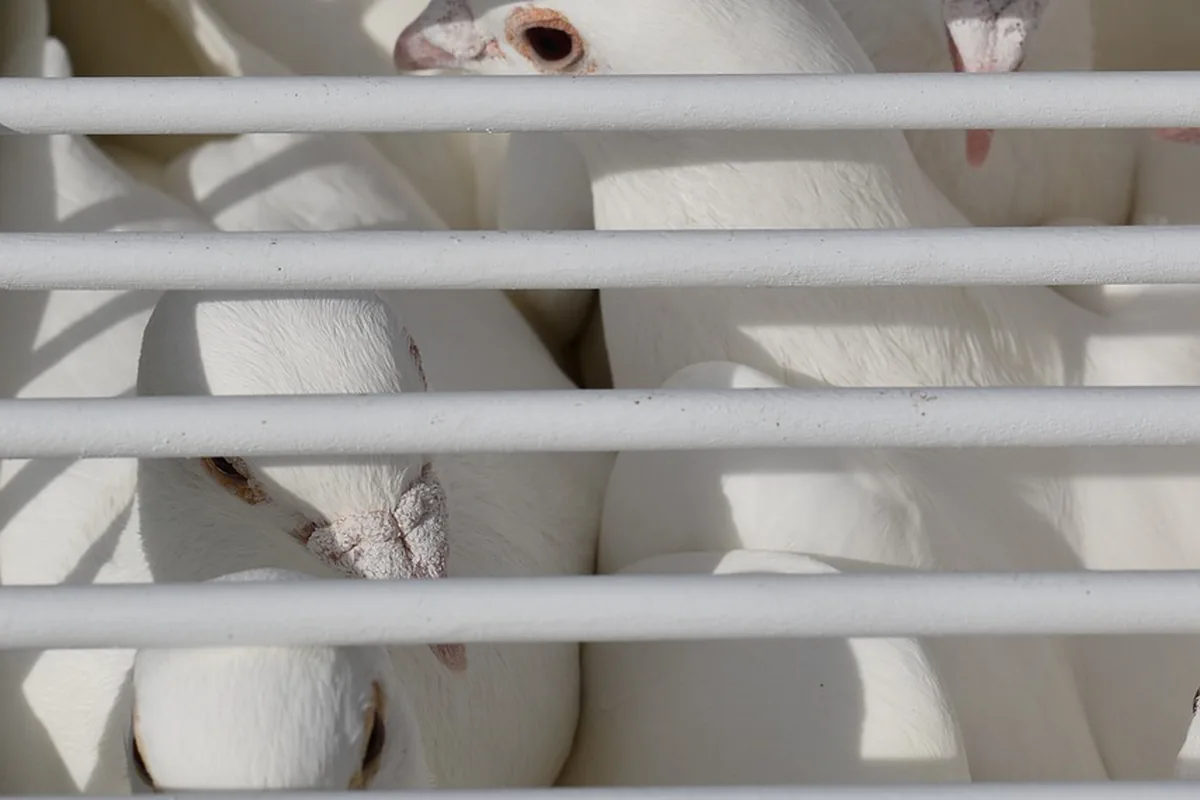
Picture this: your parrot steps outside for the first time in months, and suddenly their whole body language changes. Their feathers catch the breeze, their eyes brighten as they take in the sights and sounds of the natural world, and you can almost see them thinking, "This is what I've been missing." In our experience boarding over 1,000 birds at BST, we've seen how transformative even brief outdoor experiences can be for our feathered friends.
Here's the thing — parrots are tropical creatures designed to live under open skies, and while we love them dearly indoors, they're missing out on crucial elements like natural sunlight, fresh air, and the mental stimulation that only the great outdoors can provide. The good news is that with some thoughtful planning, you can create a safe outdoor haven that gives your bird the best of both worlds.
Understanding Why Outdoor Time Matters
Before we dive into the how-to, let's talk about why this matters so much for your bird's wellbeing. Natural sunlight provides vitamin D3, which is essential for calcium absorption and bone health — something no artificial light can fully replicate. The mental stimulation from natural sounds, changing weather patterns, and the simple act of feeling wind through their feathers can dramatically reduce stress behaviors like feather plucking and screaming.
We see this often at BST when birds who've been cooped up indoors finally get some supervised outdoor time. Even 30 minutes can make a noticeable difference in their mood and behavior for days afterward.
Outdoor Aviary Construction: Building Your Bird's Dream Space
Location and Foundation
The perfect spot for your aviary balances sun and shade throughout the day. You'll want morning sun exposure but protection from harsh afternoon heat. In Canada's climate, positioning the aviary where it gets natural windbreaks from harsh winter winds is crucial, even if you only use it seasonally.
Start with a solid foundation — either a concrete pad or well-leveled ground with hardware cloth buried 12 inches deep to prevent predators from digging underneath. This underground barrier is non-negotiable for your bird's safety.
Materials and Construction
Frame Materials:
- Powder-coated aluminum (rust-resistant, long-lasting)
- Galvanized steel (strong but requires maintenance)
- Pressure-treated lumber (budget-friendly but needs regular sealing)
Mesh Requirements:
- Use 1/2 inch x 1/2 inch welded wire mesh minimum
- 19-gauge wire or thicker for larger birds
- Stainless steel mesh for ultimate durability (expensive but worth it)
Important: Never use chicken wire — it's too flimsy and creates dangerous gaps that can trap feet or allow predators to reach through.
Size Considerations
Your aviary should be large enough for your bird to fully spread their wings and take short flights. As a general rule:
- Small birds (cockatiels, lovebirds): minimum 6' x 4' x 6' high
- Medium birds (conures, small amazons): minimum 8' x 6' x 8' high
- Large birds (macaws, large cockatoos): minimum 12' x 8' x 10' high
Remember, bigger is always better when it comes to flight space.
Screen Porch Setup: The Budget-Friendly Alternative
If building a full aviary isn't in the cards, converting or creating a screened porch can be an excellent middle ground. We've seen many bird families successfully use this approach, especially in urban settings.
Essential Modifications
Screening Upgrades: Replace standard porch screening with pet-safe alternatives. Regular window screening won't contain a determined parrot and offers no protection from predators.
Safety Additions:
- Install a double-door entry system to prevent escapes
- Add perches at varying heights
- Include weatherproof food and water stations
- Ensure adequate ventilation without creating drafts
Climate Control Considerations
In Canadian weather, your screen porch needs seasonal adaptability. Consider removable storm panels for winter storage and ensure your bird has shelter options during sudden weather changes.
Predator Protection: Keeping Your Bird Safe
This is where many well-intentioned outdoor setups fail. Canadian wildlife presents specific challenges that require serious attention.
Aerial Threats
Hawks and Other Raptors:
- Install overhead netting or solid roof sections
- Provide multiple hiding spots and shelters within the space
- Never leave your bird unsupervised, even in a covered aviary
Crows and Ravens: These intelligent birds can be surprisingly aggressive toward smaller parrots and may attempt to reach through mesh.
Ground-Level Predators
Domestic and Feral Cats:
- Ensure mesh extends underground as mentioned earlier
- Use smaller mesh sizes near ground level
- Consider motion-activated deterrents around the perimeter
Raccoons: These clever creatures can manipulate latches and reach through surprisingly small gaps. Use raccoon-proof locks and keep food sources well away from mesh walls.
Pro Tip: We always recommend double-securing any latches or doors. Raccoons have been known to open simple slide bolts, and you definitely don't want to discover this the hard way.
Temperature Considerations for Canadian Climate
Our Canadian weather presents unique challenges that require careful planning.
Seasonal Usage
Most outdoor setups work best as three-season spaces (spring through fall). Winter usage requires significant weatherproofing and heating considerations that may not be practical for most setups.
Heat Management
Summer Strategies:
- Provide multiple shade options throughout the day
- Install misting systems for extremely hot days
- Ensure constant access to fresh water
- Monitor for signs of overheating (panting, wing-spreading)
Cold Weather Precautions
Spring and Fall Considerations:
- Bring birds inside when temperatures drop below 50°F (10°C)
- Watch for sudden weather changes
- Provide windbreaks for unexpected gusts
Plant Safety: What to Avoid and What to Include
Creating a natural environment means being extremely careful about plant choices.
Toxic Plants to Absolutely Avoid
| Plant Name | Why It's Dangerous |
|---|---|
| Avocado | All parts contain persin, which is fatal to birds |
| Cherry (leaves/bark) | Contains cyanide compounds |
| Oak (acorns/leaves) | Tannins can cause kidney damage |
| Azalea/Rhododendron | Extremely toxic, even small amounts |
| Foxglove | Contains cardiac glycosides |
| Oleander | All parts highly poisonous |
Safe Plant Options
Bird-Friendly Choices:
- Bamboo (provides natural perching and privacy)
- Willow branches (safe for chewing)
- Apple or pear trees (fruit removed)
- Herbs like basil, parsley, and cilantro
- Grasses like wheatgrass or millet
Warning: Even with "safe" plants, always research the specific variety and introduce new vegetation gradually while monitoring your bird's reaction.
Supervised Outdoor Time with Harnesses
While aviaries provide the ultimate outdoor experience, harness training opens up a world of possibilities for direct outdoor exploration.
Getting Started with Harness Training
The Gradual Approach:
- Let your bird investigate the harness indoors for several days
- Practice putting it on for short periods inside
- Gradually increase wearing time before attempting outdoor adventures
- Start with brief backyard sessions before venturing further
Safety During Harness Time
Essential Precautions:
- Always maintain visual contact with your bird
- Be aware of potential escape routes if startled
- Avoid areas with heavy foot traffic initially
- Keep sessions short (15-30 minutes) to start
Pro Tip: We've found that many birds who initially resist harnesses become enthusiastic about outdoor time once they associate the harness with these special adventures.
The Remarkable Benefits of Just 30 Minutes
You might wonder if all this effort is worth it for relatively short outdoor sessions. In our experience, absolutely yes. Here's what we consistently observe:
Physical Benefits:
- Improved vitamin D synthesis
- Better feather condition from natural UV exposure
- Increased appetite and energy levels
Mental Health Improvements:
- Reduced stress behaviors
- Increased vocalization variety (they often learn new sounds outdoors)
- Better sleep patterns
- More confident, alert behavior overall
Behavioral Changes:
- Decreased aggression and territorial behavior
- Reduced feather destructive behaviors
- Improved social interaction with family members
Final Thoughts
Creating a safe outdoor space for your parrot is one of the most meaningful gifts you can provide. Whether you opt for a full aviary, convert a screen porch, or start with supervised harness time, you're giving your bird access to the natural world they instinctively crave.
The investment in time, planning, and resources pays dividends in your bird's physical health and emotional wellbeing. We've watched countless birds transform from stressed, bored indoor pets into vibrant, confident companions simply through regular access to fresh air and natural sunlight.
Start small if you need to — even a well-planned screen porch or regular harness walks can make a tremendous difference. Your bird's brighter eyes, improved feather condition, and more relaxed demeanor will tell you everything you need to know about whether it's worth the effort.
Explore related topics
Related Articles
Best Air Purifiers for Bird Owners: Protecting Your Bird's Lungs
Birds have incredibly sensitive respiratory systems. The right air purifier can literally save your bird's life.
Humidity and Temperature Guide for Pet Birds: Creating the Perfect Environment
Canadian winters are brutally dry for tropical birds. Here's how to maintain ideal humidity and temperature.
Lighting for Pet Birds: UV, Full-Spectrum, and Photoperiod Management
Most pet birds are vitamin D deficient because of inadequate lighting. This guide fixes that.