The Importance of Flight for Pet Birds: To Clip or Not to Clip
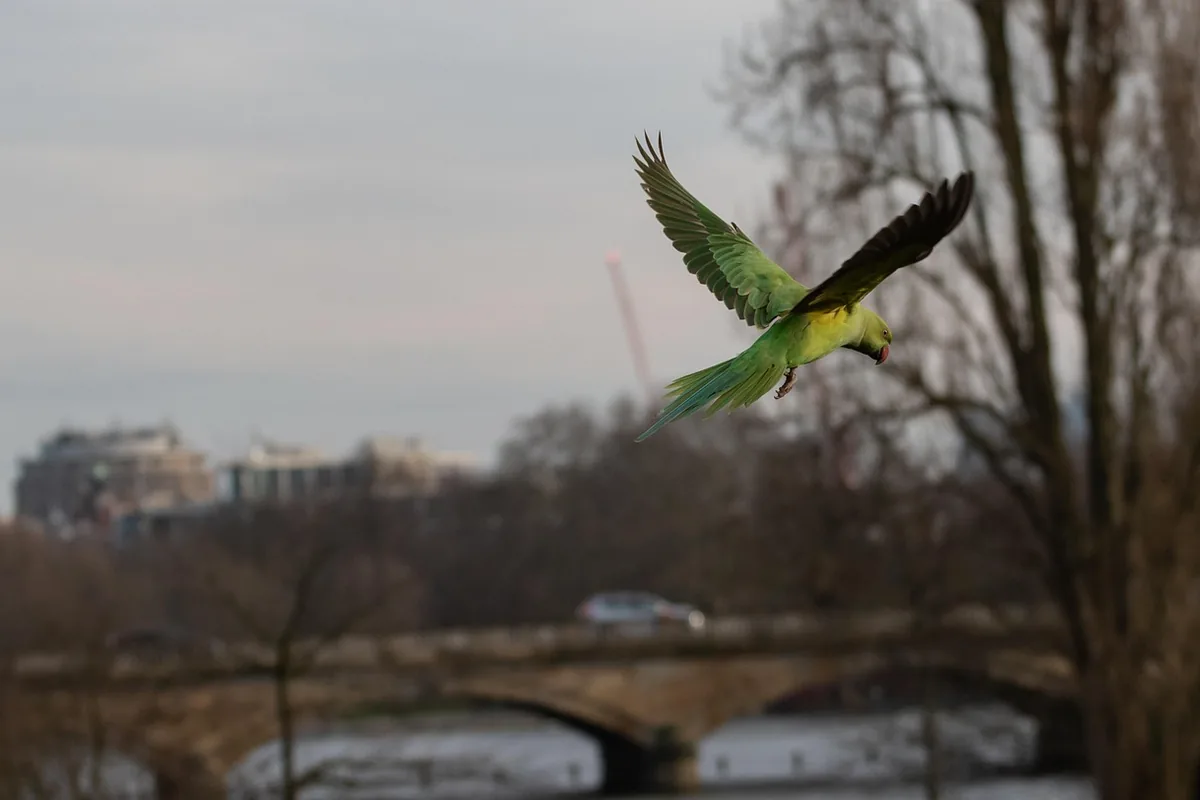
The Great Flight Debate: What's Best for Your Feathered Friend?
Few topics in bird care spark as much passionate debate as flight. Should you clip your bird's wings or let them fly freely? The truth is, there's no one-size-fits-all answer — and that's okay. In our experience boarding over 1,000 birds at BST, we've seen happy, healthy birds on both sides of this decision.
What matters most is making an informed choice based on your specific bird, your living situation, and your family's lifestyle. Let's explore the benefits of flight, examine both perspectives on wing clipping, and discuss practical ways to keep your bird safe regardless of which path you choose.
Why Flight Matters: The Natural Benefits
Flight isn't just about getting from point A to point B for birds — it's fundamental to their physical and mental well-being. Understanding these benefits helps inform your decision, whether you choose to preserve flight or find alternative ways to meet these needs.
Physical Health Benefits
Cardiovascular Fitness Flying is the ultimate cardio workout for birds. Their hearts are designed to pump efficiently during flight, and regular flying sessions help maintain optimal cardiovascular health. We often see flighted birds at BST with better muscle tone and stamina than their clipped counterparts.
Muscle Development Flight engages nearly every muscle group in a bird's body. The powerful flight muscles, core stabilizers, and even leg muscles all work together during flight. This comprehensive workout helps prevent muscle atrophy and maintains healthy bone density.
Respiratory Health The deep breathing required for sustained flight helps keep your bird's respiratory system strong and clear. This is particularly important for birds prone to respiratory issues.
Psychological and Behavioral Benefits
Confidence Building There's something magical about watching a bird gain confidence through flight. Birds who can fly often display more self-assured body language and seem more willing to explore their environment.
Stress Relief Flight provides an excellent outlet for excess energy and stress. Many behavioral issues we see at BST — like excessive screaming or feather plucking — are less common in birds who have regular flight opportunities.
Natural Behavior Expression Flight allows birds to express their most fundamental natural behavior. This can contribute to overall mental health and life satisfaction.
Pro Tip: Even if you choose to clip your bird's wings, you can still support their physical health through climbing opportunities, supervised exercise, and interactive play that gets them moving.
The Wing Clipping Debate: Understanding Both Sides
Here's the thing — both sides of this debate have valid points. Let's examine the arguments fairly so you can make the best decision for your family.
The Case for Wing Clipping
Safety First The primary argument for wing clipping centers on safety. Flighted birds face real risks in most homes:
- Flying into windows, mirrors, or ceiling fans
- Landing on hot stoves or in open toilets
- Escaping through open doors or windows
- Being injured by other pets
- Getting trapped in tight spaces
Easier Handling and Training Clipped birds are generally easier to retrieve if they get into trouble, and some find initial training easier when the bird can't simply fly away from interactions.
Family Dynamics In households with young children, elderly family members, or people who are nervous around birds, a clipped bird might integrate more easily into daily life.
The Case Against Wing Clipping
Natural Behavior Flight is arguably the most natural and important behavior for birds. Removing this ability can impact their physical and psychological well-being.
Emergency Escape A clipped bird cannot escape ground-level dangers like cats, dogs, or toddlers. They're essentially defenseless if something goes wrong.
Risk of Injury from Falls Improperly clipped birds may attempt to fly and crash-land, potentially causing serious injury. Even properly clipped birds can injure themselves falling from heights.
Psychological Impact Some birds become depressed, anxious, or develop behavioral issues after losing their flight ability.
Creating a Safe Indoor Flight Space
If you choose to keep your bird flighted, creating a safe environment is crucial. The good news is that with some preparation, you can significantly reduce flight-related risks.
Bird-Proofing Essentials
Windows and Mirrors
- Install screens or use window clings to make glass visible
- Cover mirrors during flight time or use bird-safe mirror films
- Close blinds or curtains during initial flight training
Ceiling Fans and Light Fixtures
- Always turn off ceiling fans before allowing flight
- Ensure light fixtures are secure and bird-safe
- Consider removing or covering decorative elements that could cause injury
Kitchen Safety
- Never allow flight access to the kitchen during cooking
- Cover or remove hot surfaces, open water containers, and toxic plants
- Store cleaning supplies and chemicals securely
Creating Flight Zones
Consider designating specific areas of your home as "flight zones" where your bird can safely exercise:
- Choose rooms with minimal hazards
- Remove or secure potential dangers
- Ensure adequate landing spots at various heights
- Provide clear flight paths without obstacles
Important: Start with short, supervised flight sessions in a single room before expanding to larger areas. This allows both you and your bird to build confidence gradually.
Flight Recall Training: The Foundation of Safety
Whether your bird is flighted or you're considering allowing flight, recall training is essential. This training teaches your bird to come to you on command — a potentially life-saving skill.
Basic Recall Training Steps
-
Start with Target Training
- Teach your bird to touch a target stick
- Reward with high-value treats
- Practice until reliable
-
Add Distance Gradually
- Begin with the bird just out of reach
- Call your bird's name and present the target
- Reward immediately when they approach
-
Introduce the Recall Cue
- Choose a consistent word like "come" or your bird's name
- Use the same tone and volume each time
- Practice in distraction-free environments first
-
Build Distance and Distractions
- Gradually increase the distance
- Practice in different rooms
- Add mild distractions as your bird becomes reliable
Making Recall Training Successful
- Use High-Value Rewards: Find treats your bird absolutely loves and reserve them for recall training
- Keep Sessions Short: 5-10 minutes of focused training is better than long, unfocused sessions
- End on Success: Always finish training sessions with a successful recall
- Practice Daily: Consistency is key to building reliable recall
Pro Tip: Even birds who live in large flight aviaries benefit from recall training. It makes routine care and emergency situations much easier to manage.
Harness Training: The Best of Both Worlds
For many bird families, harness training offers an excellent compromise. It allows birds to experience the outdoors safely while maintaining their flight ability indoors.
Benefits of Harness Training
- Outdoor Adventures: Your bird can experience natural sunlight, fresh air, and environmental enrichment
- Maintained Flight Ability: Birds keep their flight skills for indoor exercise
- Bonding Opportunity: Harness training and outdoor adventures strengthen your relationship
- Mental Stimulation: New sights, sounds, and experiences provide excellent enrichment
Getting Started with Harnesses
Choose the Right Harness
- Ensure proper fit — snug but not tight
- Select appropriate size for your bird's species
- Consider ease of putting on and taking off
Introduction Process
- Let your bird investigate the harness without pressure
- Practice putting it on for very short periods indoors
- Gradually increase wearing time
- Start outdoor adventures in quiet, safe areas
Safety Considerations
- Never leave a harnessed bird unattended
- Check for proper fit regularly as birds can change size
- Avoid areas with potential predators or hazards
- Start with short outdoor sessions
Warning: Harness training requires patience and positive reinforcement. Never force a harness on a bird, as this can create negative associations and stress.
Making the Right Choice for Your Bird
At BST, we support whatever decision works best for each family. We've provided wing clipping services for families who choose that route, and we've also cared for many happy, flighted birds. Here are some factors to consider:
Consider Your Living Situation
- Apartment vs. House: Smaller spaces may be easier to bird-proof
- Family Members: Consider everyone's comfort level and ability to maintain safety protocols
- Other Pets: Dogs and cats can pose significant risks to flighted birds
- Lifestyle: Do you have time for proper flight training and supervision?
Your Bird's Personality Matters
- Confident vs. Nervous: Some birds adapt better to flight than others
- Species Considerations: Larger birds may face different risks than smaller species
- Individual History: Previously traumatic experiences may influence the best choice
Compromise Solutions
Remember, this doesn't have to be an all-or-nothing decision:
- Seasonal Clipping: Some families clip during busy periods and allow regrowth during calmer times
- Partial Clips: Light clips that reduce lift but don't eliminate flight entirely
- Room-by-Room Approach: Allow flight in some areas but not others
Final Thoughts
The flight debate ultimately comes down to what works best for your individual bird and family situation. There's no shame in choosing either path — what matters is making an informed decision and committing to your bird's safety and well-being.
Whether you choose to maintain flight, clip wings, or find a middle ground, focus on providing plenty of exercise, mental stimulation, and safe opportunities for your bird to express natural behaviors. A happy, healthy bird is the goal, regardless of their flight status.
Remember, decisions about flight aren't permanent. As your situation changes or your bird's needs evolve, you can always reassess and adjust your approach. The most important thing is staying engaged with your bird's physical and emotional needs and being willing to adapt as you learn what works best for your feathered family member.
Explore related topics
Related Articles
Building Natural Branch Perches: A Step-by-Step Guide
Natural branches are the best perches — varied diameter, texture, and chewing opportunity. Here's how to prepare them safely.
Creating a Parrot-Safe Outdoor Space: Aviaries and Screen Porches
Fresh air and sunshine are incredible for parrots. Here's how to give outdoor time safely.
15 DIY Bird Toys from Dollar Store Items
You don't need expensive pet store toys. These 15 DIY toys cost under $2 each and your bird will love them.