The Dawn and Dusk Chorus: Understanding Your Parrot's Internal Clock
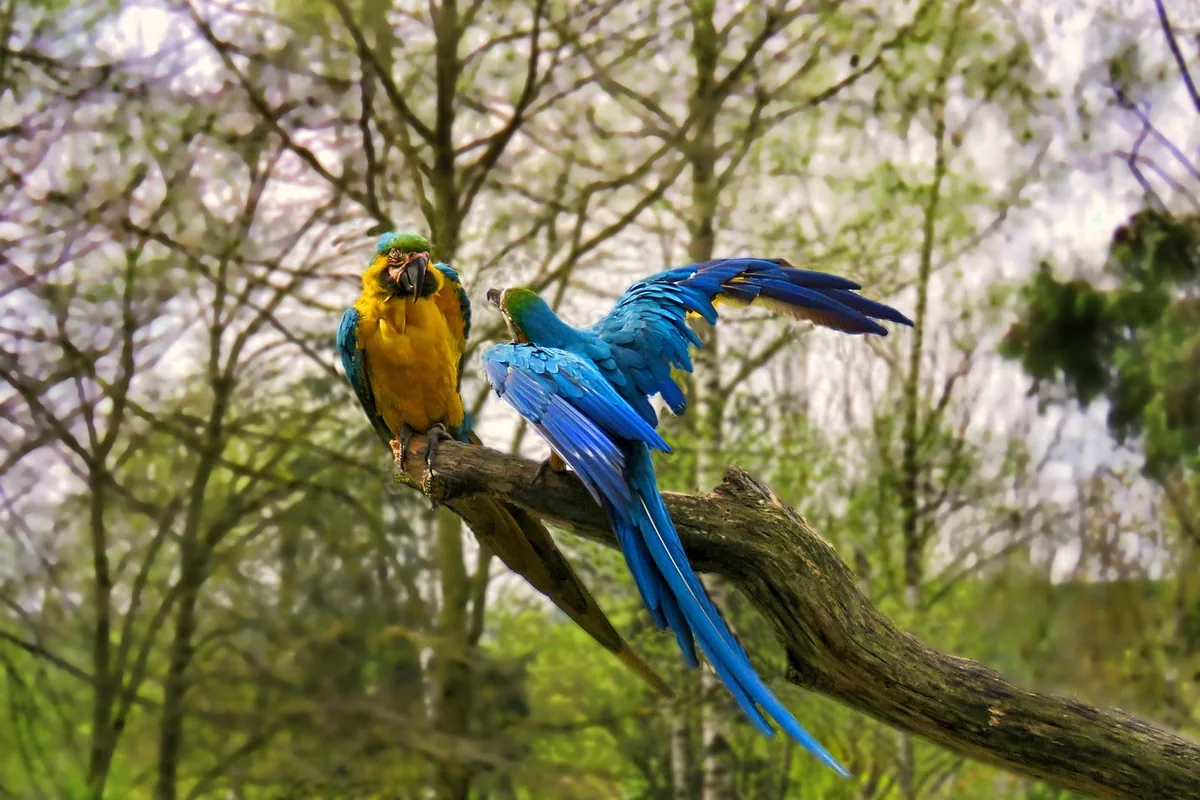
The Ancient Rhythm That Rules Your Feathered Friend
If you've ever wondered why your parrot suddenly transforms into a feathered alarm clock at sunrise, or why they seem to have an internal announcement system that kicks in every evening, you're witnessing one of nature's most fascinating and deeply ingrained behaviors: the dawn and dusk chorus.
This isn't your bird being difficult or trying to wake the neighbors (though they might accomplish that anyway). It's an ancient survival mechanism that's been hardwired into parrots for millions of years, and understanding it will help you become a better bird parent while managing the realities of apartment living.
What Is the Dawn and Dusk Chorus?
The dawn and dusk chorus is exactly what it sounds like — a period of intense vocalization that happens twice daily when the sun rises and sets. But here's the thing: it's not random noise. This chorus serves two critical survival functions that were essential for wild flocks.
At dawn, the chorus is essentially a roll call. After spending the night in vulnerable roost sites, flock members call out to confirm everyone survived the darkness. It's their way of saying "I'm here, I'm alive, and I'm ready to start the day." The calls help scattered flock members locate each other and coordinate the day's activities — where to forage, which direction to fly, and who's taking the lead.
At dusk, the evening chorus serves a different but equally important purpose. As daylight fades and it's time to find safe roosting spots for the night, birds use their calls to gather the flock, establish sleeping territories, and ensure no one gets left behind in the dangerous darkness.
In our experience boarding over 1,000 birds at BST, we see this behavior in virtually every parrot species, from the tiniest parrotlets to the largest macaws. It's as natural to them as breathing.
Why You Can't Train It Away (And Shouldn't Try)
Here's where many new parrot parents get frustrated: no amount of training, scolding, or covering the cage will eliminate this behavior entirely. The dawn and dusk chorus is controlled by your bird's circadian rhythm and is deeply connected to their survival instincts.
This vocalization is triggered by photoperiod sensitivity — your bird's internal clock responds to changes in light levels throughout the day. As the sun rises or sets, hormonal changes occur that literally compel them to vocalize. It's not a choice they're making; it's a biological imperative.
Important: Trying to completely suppress natural vocalizations can lead to stress, behavioral problems, and even health issues. Your bird needs to express these natural behaviors to maintain psychological well-being.
Think of it this way: asking a parrot not to participate in the dawn chorus is like asking a human not to yawn when tired. The behavior is so fundamental that fighting it entirely will only create frustration for both of you.
How Light Controls the Show
Understanding your parrot's photoperiod sensitivity is key to managing the chorus effectively. Your bird's pineal gland responds to light changes by releasing hormones that trigger vocalization behaviors. This is why the timing of the chorus shifts with the seasons — your bird is responding to the actual sunrise and sunset times, not the clock on your wall.
Natural sunlight is the strongest trigger, but artificial lighting can also influence the timing and intensity of vocalizations. This is actually good news because it means you have some control over when and how intensely your bird participates in their daily chorus.
The Role of Seasonal Changes
During spring and summer months when days are longer, you might notice your bird starting their morning routine earlier and extending their evening calls later. This is completely normal and reflects the natural rhythm they would follow in the wild.
Conversely, during shorter winter days, the chorus periods typically become more compressed and may shift to align with your indoor lighting schedule rather than the barely-there natural light outside your windows.
Species Differences in Chorus Intensity
Not all parrots are created equal when it comes to vocal volume and enthusiasm during chorus time. Understanding your specific species can help set realistic expectations and guide your management strategies.
High-Energy Chorus Participants
- Conures: Known for their enthusiastic and loud participation. Sun conures and nanday conures are particularly vocal.
- Cockatiels: While not as loud as conures, they're consistent participants with their distinctive whistles and calls.
- Amazon Parrots: Powerful voices that can carry quite far. They tend to have longer chorus sessions.
- Macaws: The volume champions. Even a single macaw can sound like an entire flock.
Moderate Chorus Participants
- African Greys: Tend to be more selective about when and how much they vocalize, but can be quite chatty during peak times.
- Eclectus: Generally calmer during chorus time, but still participate with their distinctive calls.
- Pionus: Relatively quiet compared to other species, with softer vocalizations.
Quieter Chorus Participants
- Parrotlets: Small but mighty — they participate enthusiastically but at a more apartment-friendly volume.
- Lovebirds: Chirpy rather than loud, though they can be persistent.
- Budgerigars: Constant chatter rather than intense bursts of noise.
Pro Tip: If you're choosing a parrot for apartment living, research your species' typical chorus behavior. A quiet species during chorus time will likely be quieter throughout the day as well.
Practical Management Strategies for Apartment Living
Living with a parrot in an apartment or shared space doesn't mean you have to choose between your bird's well-being and your relationship with neighbors. Here are strategies we recommend based on our experience with urban bird families:
Strategic Cage Placement
Position your bird's cage away from shared walls with neighbors, especially bedrooms. Interior walls are your friend. If possible, place the cage in a room that doesn't share walls with other units, or at least away from where people are likely to be sleeping.
Master the Art of Cage Covering
A breathable, dark cover can help manage the timing of your bird's response to light cues. Here's how to use it effectively:
- Evening routine: Cover your bird 30-60 minutes before your desired "lights out" time to gradually reduce light exposure
- Morning management: Keep the cover on until a reasonable hour, then gradually expose your bird to light
- Partial covering: Sometimes covering just three sides of the cage allows for air circulation while still managing light exposure
Warning: Never use covering as punishment. Your bird should associate their cover with comfort and sleep time, not with being "in trouble" for natural behavior.
White Noise and Sound Management
Strategic use of background noise can help muffle your bird's vocalizations for neighbors while providing a calming environment:
- Consistent background sound: A fan, air purifier, or white noise machine can provide steady background noise
- Music or nature sounds: Some birds respond well to calming music or nature sounds during transition times
- Timing is key: Start background noise before the chorus begins, not during it
Gradual Light Exposure
Instead of sudden bright lights or complete darkness, try gradual transitions:
- Dawn simulation: Use a timer on lamps to gradually increase light in the morning
- Sunset dimming: Slowly reduce lighting in the evening rather than sudden darkness
- Seasonal adjustments: Modify your lighting schedule gradually as seasons change
Working with Your Bird's Natural Rhythm
The most successful approach to managing the dawn and dusk chorus is working with your bird's natural instincts rather than against them. Here's how to find that balance:
Establish Consistent Routines
Birds thrive on predictability. Create consistent morning and evening routines that acknowledge their need to vocalize while setting boundaries:
- Morning routine: Uncover the cage, offer a quiet greeting, and provide breakfast after the initial chorus winds down
- Evening routine: Begin dimming lights and reducing household activity as evening chorus time approaches
Provide Alternative Outlets
Give your bird appropriate ways to express their vocal needs:
- Interactive play: Engage in training or play sessions during natural vocalization periods
- Foraging activities: Provide puzzle feeders or foraging toys to redirect some of that morning energy
- Social interaction: Spend quality time with your bird during their naturally active periods
Communicate with Neighbors
If you live in close quarters with others, proactive communication can prevent problems:
- Let neighbors know you have a bird and explain the natural behavior patterns
- Provide your contact information in case there are concerns
- Consider small gestures of goodwill if your bird is particularly vocal
Pro Tip: Most people are understanding when they realize the vocalizations are natural behavior rather than neglect or poor training. Education goes a long way toward building tolerance.
Embracing Your Role as a Parrot Parent
Here's the truth that every responsible parrot owner needs to accept: some level of vocalization comes with the territory. Parrots are not silent pets, and the dawn and dusk chorus is just one aspect of their rich vocal lives.
When you brought your feathered friend home, you signed up for their complete behavioral package — including their ancient need to check in with their flock (that's you) twice a day. This isn't a flaw to be fixed; it's a feature of living with one of nature's most intelligent and social creatures.
The good news is that understanding and working with these natural behaviors often leads to a deeper bond with your bird. When you respond appropriately to their morning greeting or acknowledge their evening calls, you're participating in a communication system that's millions of years old.
Final Thoughts
The dawn and dusk chorus is your daily reminder that you share your home with a wild animal whose instincts connect them to flocks across the globe. Rather than viewing it as a problem to solve, try seeing it as a privilege — you get to witness and participate in one of nature's most enduring social behaviors.
Yes, it requires some management and consideration for others, but with the right strategies, you can maintain harmony in your living situation while honoring your bird's natural needs. The key is preparation, consistency, and accepting that some level of vocalization is simply part of responsible parrot ownership.
Remember, a bird that participates enthusiastically in the dawn and dusk chorus is typically a healthy, well-adjusted bird expressing normal behaviors. That's something to celebrate, even if it means investing in a good alarm clock and having honest conversations with your neighbors.
Explore related topics
Related Articles
Flock Calling and Vocalization: Why Your Parrot Screams (And What to Do)
Screaming is natural flock behavior, not bad behavior. Learn why parrots vocalize and how to manage it without punishment.

Building Natural Branch Perches: A Step-by-Step Guide
Natural branches are the best perches — varied diameter, texture, and chewing opportunity. Here's how to prepare them safely.
Creating a Parrot-Safe Outdoor Space: Aviaries and Screen Porches
Fresh air and sunshine are incredible for parrots. Here's how to give outdoor time safely.