Flock Calling and Vocalization: Why Your Parrot Screams (And What to Do)
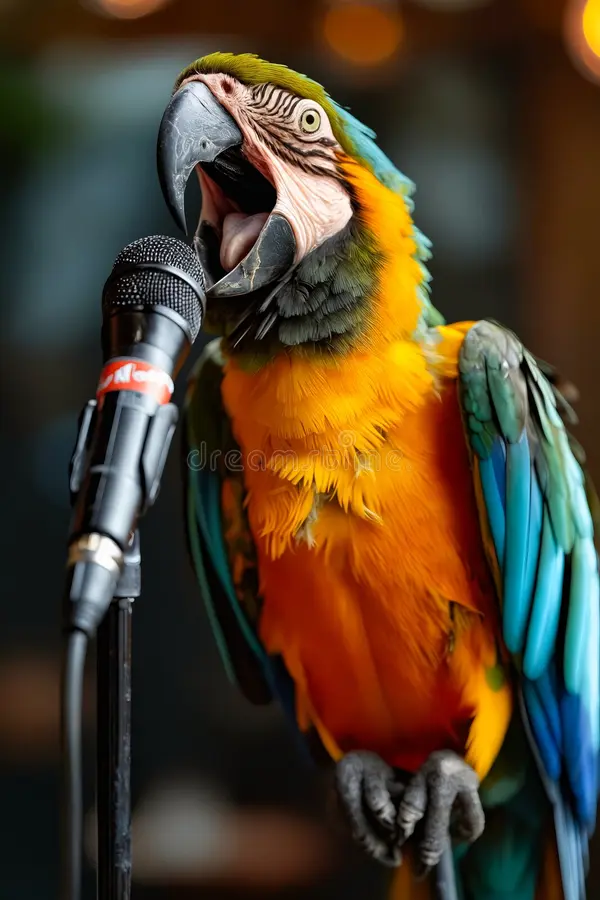
Understanding Your Parrot's Natural Voice
That piercing scream at 6 AM that has your neighbors giving you sideways glances? Your parrot isn't trying to drive you crazy — they're just being a parrot. In our experience boarding over 1,000 birds at BST, we've learned that vocalization issues are one of the most misunderstood aspects of parrot behavior. The good news is that once you understand why your bird screams, you can work with their natural instincts rather than against them.
Here's the thing: parrots are flock animals, and in the wild, staying vocal means staying alive. Every call serves a purpose, from maintaining contact with their family to warning of danger. When we bring these magnificent creatures into our homes, we can't simply turn off millions of years of evolution — but we can learn to manage it thoughtfully.
The Science Behind Parrot Screaming
Contact Calls: "Where Is Everyone?"
The most common reason your parrot screams is the same reason you might call out "Hello?" when you walk into what you think is an empty house. Contact calls are your bird's way of checking in with their flock — which now includes you.
In the wild, parrots use these calls throughout the day to maintain contact with family members who might be foraging in different trees or areas. When your bird can't see you, that instinctive need to connect kicks in. This explains why many parrots scream when their humans leave the room, go upstairs, or even just step outside to get the mail.
The Dawn and Dusk Chorus
If your parrot gets particularly vocal at sunrise and sunset, congratulations — you have a normal, healthy bird. Wild parrots naturally engage in communal calling sessions at these times. Dawn calls help the flock coordinate their day's activities, while dusk calls help everyone regroup and settle in for the night.
We see this constantly at BST. Even our quietest birds will join in when the evening chorus begins. It's deeply ingrained behavior that serves important social functions.
Excitement and Alarm Calls
Parrots also vocalize when they're excited, scared, or trying to alert the flock to something important. Your Amazon might scream with joy when you come home from work, or your cockatoo might sound the alarm when the doorbell rings. Both responses are completely natural and serve important communication functions.
Natural vs. Excessive Vocalization
The key is distinguishing between normal parrot communication and problematic screaming. Natural vocalization includes:
- Brief contact calls when separated from the flock
- Dawn and dusk calling sessions (usually 10-30 minutes)
- Excitement calls during play or when reuniting
- Alarm calls in response to genuine stimuli
Excessive screaming, on the other hand, might involve:
- Continuous calling that lasts hours
- Screaming that seems triggered by attention-seeking rather than natural instincts
- Vocalizations that increase in frequency and intensity over time
- Calls that seem distressed rather than communicative
Important: Even excessive screaming usually has an underlying cause — boredom, lack of social interaction, or learned behavior patterns. It's rarely just "bad behavior."
Why Punishment Never Works
Here's something we tell every bird owner: punishing a parrot for screaming is like punishing a dog for barking or a cat for meowing. You're essentially trying to punish them for being their species.
When you yell "QUIET!" at a screaming parrot, you're not establishing dominance — you're joining the flock call. From your bird's perspective, you just proved that screaming gets everyone involved, which reinforces the behavior you're trying to stop.
Similarly, covering the cage, spraying with water, or other punishment methods create stress and fear without addressing the underlying need that's driving the vocalization. Stressed parrots often become louder, not quieter.
Effective Strategies for Managing Volume
Respond Appropriately to Contact Calls
When your parrot gives a contact call, acknowledge it briefly and calmly. You might say "I'm here" or whistle back, then continue with what you're doing. This satisfies their need for flock communication without creating a lengthy interaction that reinforces excessive calling.
The goal is to let them know you heard them without making the response so rewarding that they keep calling for more attention.
Teach an "Inside Voice"
Many parrots can learn to modulate their volume. Start by rewarding quieter vocalizations with attention and treats, while ignoring (not punishing) louder calls. Some birds will even learn a specific "quiet" cue.
We've seen amazons learn to whisper on command and cockatoos who understand "inside voice" versus "outside voice." It takes patience, but it's absolutely possible with consistent positive reinforcement.
Provide Enrichment to Reduce Boredom Screaming
Bored parrots often develop excessive screaming habits simply because they have nothing else to do. Ensuring your bird has:
- Rotating toys and foraging opportunities
- Regular out-of-cage time for exercise and exploration
- Social interaction throughout the day
- Mental stimulation through training or puzzle-solving
can dramatically reduce attention-seeking vocalizations.
Never Reward Screaming with Attention
This is the hardest rule for many bird owners to follow, but it's crucial. Any attention — even negative attention like yelling — can reinforce screaming behavior. If your bird is screaming for attention, wait for a quiet moment before interacting with them.
Pro Tip: Set up your bird's environment so they have interesting things to do when you can't provide direct attention. A well-enriched bird is much less likely to develop problematic screaming habits.
Species-Specific Vocalization Levels
Not all parrots are created equal when it comes to volume and frequency of calls. Understanding your species' natural tendencies helps set realistic expectations.
| Species | Noise Level | Typical Behavior | Management Tips |
|---|---|---|---|
| Cockatoos | Very High (100-120 dB) | Frequent, piercing calls; dawn/dusk chorus | Expect significant vocalization; focus on teaching appropriate times |
| Macaws | Very High (100-115 dB) | Loud but less frequent than cockatoos | Often easier to train appropriate timing |
| Amazon Parrots | High (90-105 dB) | Enthusiastic morning/evening calls | Very trainable; respond well to routine |
| African Greys | Moderate-High (80-95 dB) | Intelligent vocalizers; can be taught volume control | Excellent candidates for "inside voice" training |
| Conures | Moderate-High (85-100 dB) | High-pitched, frequent calls | Benefit greatly from enrichment and routine |
| Cockatiels | Moderate (75-85 dB) | Contact calls and alarm whistles | Usually manageable with proper attention |
| Budgerigars | Low-Moderate (65-75 dB) | Constant chatter rather than loud calls | Group dynamics affect volume significantly |
| Caiques | Moderate (80-90 dB) | Playful, excited vocalizations | Exercise and play reduce excessive calling |
Warning: These are approximate ranges. Individual birds vary significantly, and environmental factors can affect perceived volume.
Working with Your Bird's Natural Rhythm
Rather than fighting your parrot's instincts, work with them. If your bird naturally calls at dawn, consider adjusting your routine to accommodate this. Many successful parrot owners find that accepting and managing natural vocalization patterns is far more effective than trying to eliminate them entirely.
At BST, we've learned that the quietest, most content birds are often those whose owners understand and respect their communication needs while setting reasonable boundaries.
Final Thoughts
Your parrot's vocalizations are a window into their emotional and social needs. While excessive screaming can be challenging, remember that these calls represent your bird's attempts to communicate with their beloved flock — you.
The most successful approach combines understanding, patience, and consistent positive reinforcement. Work with your bird's natural instincts, provide for their physical and mental needs, and remember that some level of vocalization is not just normal — it's a sign of a healthy, engaged parrot.
Every bird is an individual, and what works for one may not work for another. But with time, consistency, and the right approach, you can help your feathered family member become a more considerate roommate while still honoring their natural parrot nature.
Explore related topics
Related Articles
The Dawn and Dusk Chorus: Understanding Your Parrot's Internal Clock
That 6 AM screaming isn't spite — it's an ancient instinct. Learn about the dawn chorus and how to live with your parrot's natural rhythm.
Building Natural Branch Perches: A Step-by-Step Guide
Natural branches are the best perches — varied diameter, texture, and chewing opportunity. Here's how to prepare them safely.
Creating a Parrot-Safe Outdoor Space: Aviaries and Screen Porches
Fresh air and sunshine are incredible for parrots. Here's how to give outdoor time safely.