Territorial Behavior in Pet Parrots: Understanding Cage Aggression
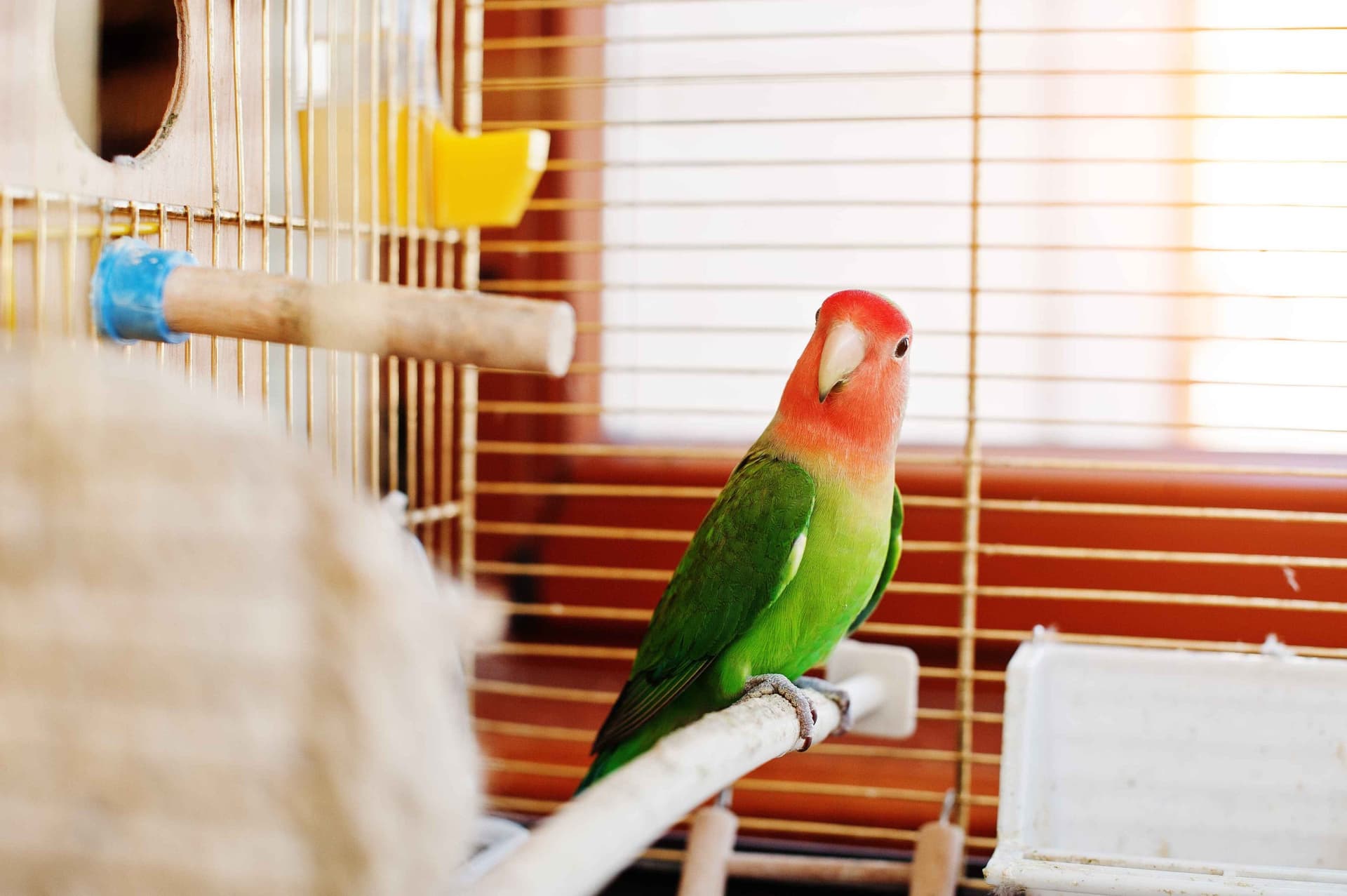
When Your Sweet Bird Becomes a Cage Warrior
You reach toward your bird's cage with fresh food, and suddenly your gentle companion transforms into a feathered fury — lunging, biting, and making it crystal clear that you're not welcome. If this sounds familiar, you're dealing with territorial behavior, one of the most common challenges parrot owners face.
Here's the thing: your bird isn't being "mean" or "bad." They're following millions of years of evolutionary programming that tells them to defend their space. Understanding why this happens — and how to work with it rather than against it — can transform your relationship with your feathered friend.
The Root of Territorial Behavior: It's All About Survival
Territorial behavior in parrots stems from their most basic survival instinct: nest defense. In the wild, a parrot's nest site is everything — it's where they raise their young, store food, and find safety from predators. A bird that doesn't fiercely defend their nesting area simply doesn't survive to pass on their genes.
Your parrot's cage represents their nest, and they're hardwired to protect it. This instinct doesn't disappear just because they're living in your living room with regular meals and veterinary care. In fact, the safety and security of captivity can sometimes amplify these behaviors because your bird feels confident enough to be assertive.
In our experience boarding over 1,000 birds at BST, we see this territorial response vary dramatically between individuals. Some birds are mildly protective of their space, while others become absolute fortresses — and both responses are completely normal.
Recognizing Cage Aggression: The Warning Signs
Cage aggression typically manifests in several predictable ways:
Physical displays:
- Lunging toward your hand when you reach into the cage
- Biting or attempting to bite when you're near their territory
- Puffing up feathers to appear larger and more intimidating
- Pinning eyes (pupils rapidly dilating and constricting)
- Wing spreading or flapping aggressively
Vocal warnings:
- Screaming or calling loudly when you approach
- Growling or making threatening sounds
- Contact calls that become increasingly frantic
Behavioral changes:
- Being perfectly sweet outside the cage but aggressive inside it
- Guarding specific areas, perches, or toys within the cage
- Refusing to step up from inside the cage but readily stepping up elsewhere
The good news is that most territorial birds are actually giving you plenty of warning before they escalate to biting. Learning to read these signals helps you avoid confrontations and work more effectively with your bird.
Smart Strategies: Working With Territorial Instincts
The Golden Rule: Invitation, Not Invasion
The most important shift you can make is moving from "taking" your bird out of their cage to "inviting" them out. Instead of reaching in to grab them (which triggers their territorial response), encourage them to come to you.
Effective invitation techniques:
- Open the cage door and step back
- Call your bird's name in an upbeat voice
- Offer a favorite treat from outside the cage
- Use a target stick to guide them toward the door
- Be patient — let them make the choice to approach
The Neutral Perch Strategy
Keep a training perch or portable stand near the cage. Once your bird exits their territory, ask for a step-up from this neutral location. Most birds who are aggressive in their cage will step up readily once they're in "neutral territory."
Pro Tip: We recommend having a designated "step-up perch" that stays in the same spot near the cage. Your bird will learn that this is where interactions happen, making the routine predictable and less stressful.
Timing Matters: Reading the Room
Pay attention to when your bird is most territorial. Many parrots are more aggressive:
- First thing in the morning (protecting their overnight roost)
- During feeding time (resource guarding)
- In the evening when they're ready to settle in
- During breeding season (hormonal amplification)
Schedule training and interaction sessions during your bird's calmer periods, typically mid-morning or early afternoon.
The Hormonal Factor: When Biology Takes Over
Hormonal changes can dramatically amplify territorial behavior, especially during breeding season. During these periods, your normally manageable bird might become intensely protective of their space.
Signs of hormonal territorial behavior:
- Sudden increase in cage aggression
- Guarding specific corners or nesting areas
- Regurgitating food for toys or perches
- Increased vocalization and displaying
- Paper shredding or nesting behaviors
During hormonal periods, it's especially important to avoid reaching into the cage and to provide extra environmental enrichment to redirect their nesting energy.
Important: If your bird's territorial behavior suddenly intensifies, consider whether environmental changes might be triggering hormonal responses. Longer daylight hours, access to dark, cozy spaces, or rich foods can all contribute to breeding behaviors.
Species-Specific Considerations
While all parrots can display territorial behavior, some species are naturally more inclined toward cage aggression:
Highly territorial species:
- Amazon parrots (especially during "hot" periods)
- Cockatoos (particularly males)
- Conures (can be surprisingly fierce despite their size)
- Macaws (their size makes their territorial displays particularly intimidating)
Generally less territorial species:
- Cockatiels
- Budgerigars
- Canaries and finches
- Some smaller parrot species
However, individual personality matters more than species. We've met incredibly territorial budgies and laid-back Amazons. Your bird's history, socialization, and individual temperament play huge roles in how they express territorial behavior.
Creating a Cage Environment That Reduces Territorial Stress
The way you set up your bird's cage can significantly impact their territorial responses. The goal is creating an environment that feels secure without encouraging over-protective behavior.
Strategic Perch Placement
Multiple heights and locations:
- Place perches at different levels to give your bird choices
- Avoid having one "high status" perch that becomes heavily guarded
- Include perches near the cage door for easy exits
- Ensure perches are stable — wobbly perches increase stress and defensiveness
Food Station Strategy
Consider placing some food and water stations outside the cage:
- Reduces resource guarding within the territory
- Encourages your bird to venture out
- Creates positive associations with leaving the cage
- Helps establish that good things happen outside their territory
Toy and Enrichment Considerations
Avoid over-crowding:
- Too many toys can create multiple "territories" within the cage
- Rotate toys regularly to prevent obsessive guarding
- Choose toys that encourage exploration rather than nesting
Strategic placement:
- Keep favorite toys away from the cage entrance
- Place new toys in neutral areas first
- Remove any items your bird becomes obsessively protective of
Warning: Be cautious with mirrors, especially during hormonal periods. Many birds become territorial over their reflection, leading to increased cage aggression.
Working Through Severe Territorial Behavior
If your bird's territorial behavior is severe or escalating, a structured approach can help:
- Temporarily avoid the trigger zone — Stop reaching into the cage entirely
- Build positive associations — Offer treats and praise when your bird is calm near the cage
- Practice step-ups in neutral areas — Strengthen your relationship outside the territorial space
- Gradually reintroduce cage interactions — Start with brief, positive interactions and slowly build up
Remember, changing territorial behavior takes time. We often see owners expect results in days when the process typically takes weeks or months of consistent work.
Final Thoughts: Patience and Understanding
Territorial behavior in parrots isn't a character flaw — it's a natural instinct that helped their ancestors survive. By understanding and working with these instincts rather than against them, you can maintain a loving relationship with your bird while respecting their need to feel secure in their space.
The key is patience, consistency, and remembering that your bird's territorial responses come from a place of biological programming, not malice. With the right approach, even the most cage-aggressive bird can learn to trust and interact positively with their human family.
At BST, we've seen countless "impossible" territorial birds become wonderful companions once their owners learned to speak their language. Your feathered friend wants to connect with you — sometimes they just need a little help feeling safe enough to do it on neutral ground.
Explore related topics
Related Articles
Building Natural Branch Perches: A Step-by-Step Guide
Natural branches are the best perches — varied diameter, texture, and chewing opportunity. Here's how to prepare them safely.
Creating a Parrot-Safe Outdoor Space: Aviaries and Screen Porches
Fresh air and sunshine are incredible for parrots. Here's how to give outdoor time safely.
15 DIY Bird Toys from Dollar Store Items
You don't need expensive pet store toys. These 15 DIY toys cost under $2 each and your bird will love them.