Quaker Parrot Diet and Nutrition: Beating the Fatty-Liver Problem
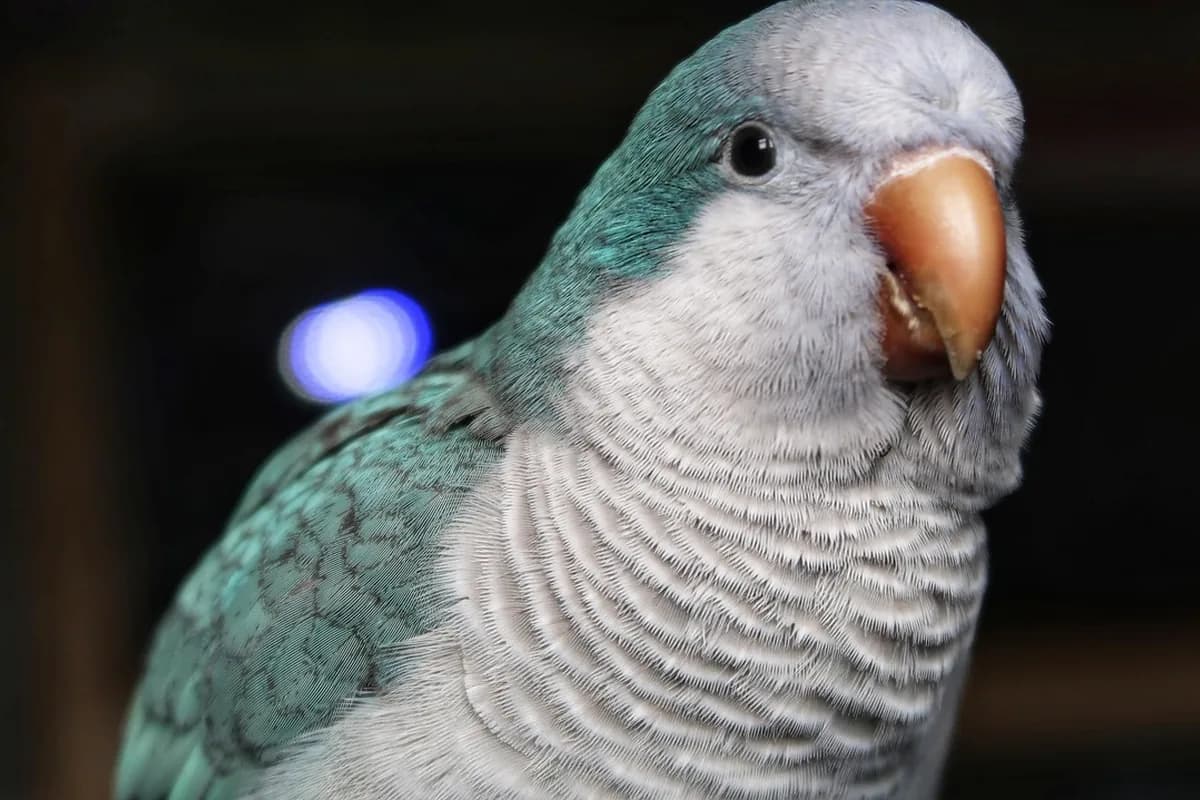
Diet is where quaker owners either set their bird up for a long, healthy life or quietly sabotage it. The Quaker Parrot (Myiopsitta monachus) is famous for one nutritional weakness above all others: fatty liver disease (hepatic lipidosis). Quakers pile on fat easily, love calorie-dense seeds, and their livers pay the price. Get the diet right and you sidestep the single most characteristic health problem of the species. This guide stays strictly in the nutrition lane.
What a Quaker Actually Needs
In the wild, a monk parakeet eats a shifting mix of grass seeds, grains, buds, blossoms, fruit, and the occasional insect — a diet that is far more varied and far lower in fat than a bowl of sunflower seeds. Your job at home is to recreate that variety while keeping calories in check. A seed-only diet is the fast road to obesity, fatty liver, and vitamin-A deficiency.
The Pellet House Standard for Quakers
Avian veterinary consensus, echoed by Lafeber and VCA Animal Hospitals, is that a formulated pellet should form the backbone of a companion parrot's diet. For a quaker:
| Food group | Share of diet | Examples |
|---|---|---|
| Quality pellets | 75-80% | Harrison's, Roudybush, TOP's, Lafeber |
| Fresh vegetables and greens | 15-20% | Kale, broccoli, carrot, sweet potato, bell pepper |
| Sprouts and soaked seed | part of the fresh portion | Sprouted mung, lentil, quinoa |
| Fresh fruit | ~5% | Berries, apple (no seeds), mango |
| Seeds and nuts | ~5%, treats only | Millet spray, a single almond, sunflower as reward |
Pellets remove the guesswork of vitamin and mineral balance, but pellets alone are dull for a smart bird — the fresh, veg-forward portion and sprouts are where a quaker gets enrichment, hydration, and phytonutrients. Sprouting is especially valuable for this species: it converts stored fat and starch in the seed into living, lower-fat greens your quaker still recognizes as "seed."
Warning: Sunflower seeds, peanuts, and nut mixes are essentially candy for a quaker. They are the direct pathway to fatty liver disease. Use them only as tiny, earned training rewards — never as a free-choice bowl.
Safe Foods
Vegetables (feed generously): kale, broccoli, carrot and carrot tops, sweet potato (cooked), bell pepper, zucchini, snap peas, bok choy, dandelion greens, Swiss chard, green beans, squash. Dark leafy greens and orange vegetables supply the vitamin A quakers so often lack on seed diets.
Fruits (smaller amounts — natural sugars): blueberries, apple (seeds removed), mango, papaya, banana, melon, pomegranate, seedless grapes.
Cooked grains and legumes: cooked quinoa, brown rice, whole-grain pasta, oats, well-cooked lentils and chickpeas. These add protein and fiber.
Sprouts: sprouted mung beans, lentils, and quinoa are a quaker superfood.
Toxic Foods — Never Feed These
These are hard lines. The mechanism matters so you understand why "just a bite" is not safe:
- Avocado — contains persin, which causes heart failure and death in birds.
- Chocolate — theobromine (and caffeine) trigger tremors, seizures, and cardiac arrest.
- Caffeine — coffee, tea, cola, energy drinks; a stimulant birds cannot metabolize safely.
- Alcohol — depresses the nervous system; even a small amount can be fatal.
- Onion and garlic — cause oxidative damage to red blood cells (hemolytic anemia).
- Fruit pits and apple seeds — cherry, peach, apricot, plum pits and apple seeds are cyanogenic (release cyanide when chewed).
- Salty, fried, or sugary human snacks — a quaker's small body handles sodium and fat poorly.
- Uncooked/dried beans — contain hemagglutinin, a toxin destroyed only by thorough cooking.
- Mushrooms — several varieties are toxic to birds; avoid entirely.
Meal Prep: Making Chop
"Chop" is a big batch of finely chopped vegetables, greens, cooked grains, and sprouts that you mix, portion, and freeze. It is the practical way to feed variety without prepping fresh food every morning:
- Chop a rainbow of safe vegetables and greens small enough that your quaker cannot pick out only its favorites.
- Stir in a cooked grain or legume and a handful of sprouts.
- Portion into an ice-cube tray or small containers and freeze.
- Thaw a serving each morning and offer it warm-ish — quakers respond to food that looks fresh and interesting.
Serve fresh food in the morning when appetite is highest, and remove perishables after a few hours to prevent bacterial growth.
Transitioning a Seed Junkie Off Seed
Quakers are granivores by nature and can be stubborn converts — plan on weeks to months, not days. Never starve a bird onto pellets.
- Offer pellets in a separate, obvious dish alongside the current seed mix so the pellet becomes familiar.
- Serve fresh chop and warm vegetables every morning; try different shapes and preparations to spark curiosity.
- Gradually reduce the seed portion over 4-6 weeks while watching intake.
- Use sprouted seed as the bridge — it looks like seed but weans the bird toward fresh food.
- Weigh weekly on a gram scale. A stable 90-130 g means the transition is working; a dropping weight means slow down.
Tip: Quakers are flock eaters and love to copy. Eat a piece of the same safe vegetable in front of your bird, or feed it at "family mealtime." Social modelling converts reluctant birds faster than any dish arrangement.
Supplements and Hydration
A quaker on a balanced pellet-and-veg diet generally does not need vitamin or calcium powders — over-supplementation can cause its own problems, so add these only if your avian vet identifies a deficiency. Skip vitamin drops in the water, which spoil quickly and encourage bacteria.
Provide fresh, clean water at all times and change it at least twice daily. Many quakers love to bathe or dunk food in their water bowl, so offer a separate shallow bathing dish to keep drinking water clean — regular bathing also helps counter Toronto's dry, heated winter air. If you have any doubt about your bird's weight, liver health, or diet plan, an avian veterinarian is the right person to build a feeding plan around your individual quaker.
Explore related topics
Related Articles
Can Parrots Eat Human Food? A Complete Guide to Sharing Meals
Your parrot wants to eat off your plate. Which human foods are safe to share and which are dangerous?
The Complete Guide to Parrot Pellets: Brands, Conversion, and Myths
Pellets should be 50-70% of your parrot's diet, but not all pellets are equal. Here's everything you need to know.
Cooking for Your Parrot: 15 Recipes and Meal Ideas They'll Love
Variety is the spice of your parrot's diet. These easy recipes make feeding time exciting and nutritious.