Preparing Your Bird for Their First Boarding Stay
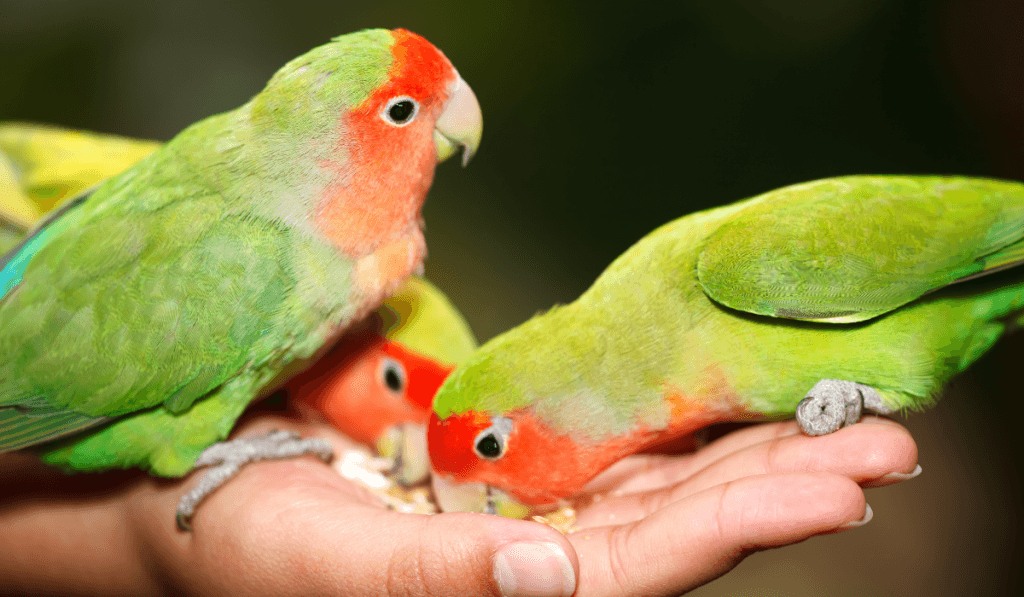
Preparing Your Bird for Their First Boarding Stay
If this is your first time boarding your bird — whether at Bird Sitting Toronto or anywhere else — it is completely normal to feel a mix of excitement and nervousness. Parrots are creatures of habit, and you are the person who knows your bird best. The good news is that a first boarding stay goes smoothly far more often than not, especially when you do a little preparation in the weeks beforehand. At Bird Sitting Toronto, where we have boarded well over 1,000 birds, most newcomers settle into their new surroundings within a day or two. This guide walks you through the whole arc: choosing the right place, prepping at home, packing, drop-off, and what to watch for when your bird comes home.
Before You Book: Vetting the Facility
Not all boarding is created equal, and birds are not dogs — they hide illness, they are exquisitely sensitive to airborne toxins, and a stressed parrot can go downhill quickly. Do your homework before you commit.
- Watch the space. Ask for walkthrough videos or photos of where the birds actually stay, not just a marketing page. Look for clean cages, good spacing between birds, and natural light.
- Ask about air quality. The single most important safety question you can ask is whether the facility is free of non-stick (PTFE/Teflon) cookware, scented candles, aerosols, and smoke. Fumes from overheated non-stick coatings are rapidly fatal to birds — this is well documented by the Association of Avian Veterinarians and the Merck Veterinary Manual.
- Ask about health screening. A responsible facility protects its whole flock. Bird Sitting Toronto requires up-to-date veterinary records (within the last year) before any bird joins the group, because contagious illnesses such as psittacosis (avian chlamydiosis) can pass between birds. If a boarder never asks for vet records, that is a red flag, not a convenience.
- Ask how emergencies are handled. Which avian vet do they use, and how fast can they get there?
Tip: If your schedule allows, book a short trial stay — a single overnight — a few weeks before a longer trip. A trial run tells you how your bird handles the environment while the stakes are low, and it means the "big" stay is a return to a familiar place rather than a first-time shock.
Two Weeks Out: Prep at Home
The most common cause of a rough boarding stay is not the facility — it is sudden change stacked on top of sudden change. Smooth the runway ahead of time.
- Desensitize the carrier. Leave the travel carrier out in the room a couple of weeks early with the door open and a treat or favorite toy inside. When the carrier stops being a once-a-year "vet trap" and becomes just another perch, transport day gets dramatically calmer.
- Keep the diet boringly consistent. Now is not the time to switch pellet brands or introduce a dozen new vegetables. A familiar menu is one less variable for your bird to process.
- Write down the routine. Feeding times, sleep and cover-up schedule (most parrots need 10–12 hours of dark, quiet sleep), bath habits, favorite words, and any quirks or fears. Share this with your sitter in advance.
- Do a quick health gut-check. Weigh your bird on a gram scale if you have one and note the number. A bird that is already fluffed, quiet, or eating poorly should see your avian vet before boarding, not after.
Warning: Do not send your bird off with a brand-new diet or a bag of unfamiliar toys "to keep them busy." Novel food and novel objects both add stress at exactly the wrong moment, and a new food can mask or worsen appetite problems. Comfort comes from the familiar, not the new.
Packing Smart
Pack light, label everything, and make it easy for your sitter to follow your bird's normal routine to the letter.
| Item | What to bring | Why it matters |
|---|---|---|
| Food | Your bird's normal food, enough for the full stay plus 3–4 extra days | Keeps the diet identical; buffer covers travel delays |
| Comfort items | 1–2 familiar toys or a favorite perch — not the whole collection | Familiar scents and objects soothe; too much clutter overwhelms |
| Carrier | A secure, appropriately sized carrier | Safer transport and a calmer arrival |
| Instructions | Written feeding/care notes, labeled with your bird's name | Removes guesswork; nothing gets missed |
| Winter cover | A breathable cover or blanket for the carrier in cold months | Toronto winters are hard on tropical birds during the car trip |
| Meds | Any medications, clearly labeled with dose and timing | Ensures continuity of care |
Keeping the Diet Consistent
A good sitter feeds your bird exactly what you feed at home. For most parrots, that means a diet built around a quality pellet (roughly 75–80% of intake), a generous share of fresh, veg-forward foods (about 20–25%), and only a small amount of seeds or nuts as treats (around 5%) — the balance recommended across avian veterinary sources such as Lafeber, VCA Animal Hospitals, and the Merck Veterinary Manual.
Some birds are exceptions, and it is worth flagging these clearly to your sitter:
- Lorikeets need a specialized nectar diet rather than pellets, and should avoid high-iron foods.
- Eclectus are sensitive to additives and dyes and do best on a whole-food, vegetable-forward diet.
- Finches and canaries are hands-off passerines that keep a quality seed mix as a staple, rounded out with pellets, greens, and egg food.
- Budgies and cockatiels should still be mostly on pellets, but they convert slowly — so keep offering veg and sprouts and never force a sudden switch during boarding.
Tip: Hookbill parrots do not need grit. Offering it can actually cause crop impaction, so leave it out of the bag.
Helping Your Bird Settle In
Most birds adjust within one to two days at Bird Sitting Toronto. A few things make the transition easier:
- Familiar items — that one favorite toy or perch from home carries the scent of the flock.
- A consistent diet — we follow your feeding instructions exactly.
- A social environment — for most parrots, hearing and seeing other birds nearby is naturally reassuring rather than frightening.
- Extra attention — first-time boarders get additional monitoring and gentle engagement while they find their feet.
Managing Your Own Anxiety
It is okay to worry — that is what a good bird parent does. Here is what tends to help:
- Daily updates. You receive photos and videos every single day, so you can see for yourself that your bird is eating, preening, and being their normal self.
- Portal access. Check in on your bird's stay whenever you like.
- Direct communication. Reach Samantha via WhatsApp for a quick reassurance whenever you need one.
- Trust the process. With more than 1,000 birds successfully boarded, the routine is well practiced.
What to Expect After Pick-Up
Some birds are a little quieter than usual for a day or two after coming home while they re-settle into the household rhythm. That is completely normal and usually resolves on its own within a couple of days as your bird finds its familiar routine again.
A handful of signs, though, warrant a call to your avian veterinarian rather than a wait-and-see approach:
- Persistent loss of appetite lasting more than about 24 hours
- A fluffed-up, lethargic, or bottom-of-the-cage posture that does not improve
- Laboured breathing, tail-bobbing, or any open-mouth breathing at rest
- Droppings that stay abnormal in color, volume, or consistency
Because birds instinctively mask illness, err on the side of caution — an early phone call to your vet is always cheaper and safer than a late one. In the vast majority of cases, your bird will greet you with the same personality you dropped off, tell you all about their stay in the only way they know how, and be back to normal in no time.
Explore related topics
Related Articles
Adopting an Older Parrot: What to Expect and How to Succeed
Older parrots make incredible companions but come with established personalities and sometimes baggage. Here's how to thrive together.
The 20 Biggest Mistakes New Bird Owners Make
We all make mistakes as new bird owners. Here are the 20 most common — and how to avoid them.
Building Confidence in a Shy Parrot: A Step-by-Step Guide
Some parrots are naturally shy or have been traumatized. Here's how to gently build their confidence.