Building Confidence in a Shy Parrot: A Step-by-Step Guide
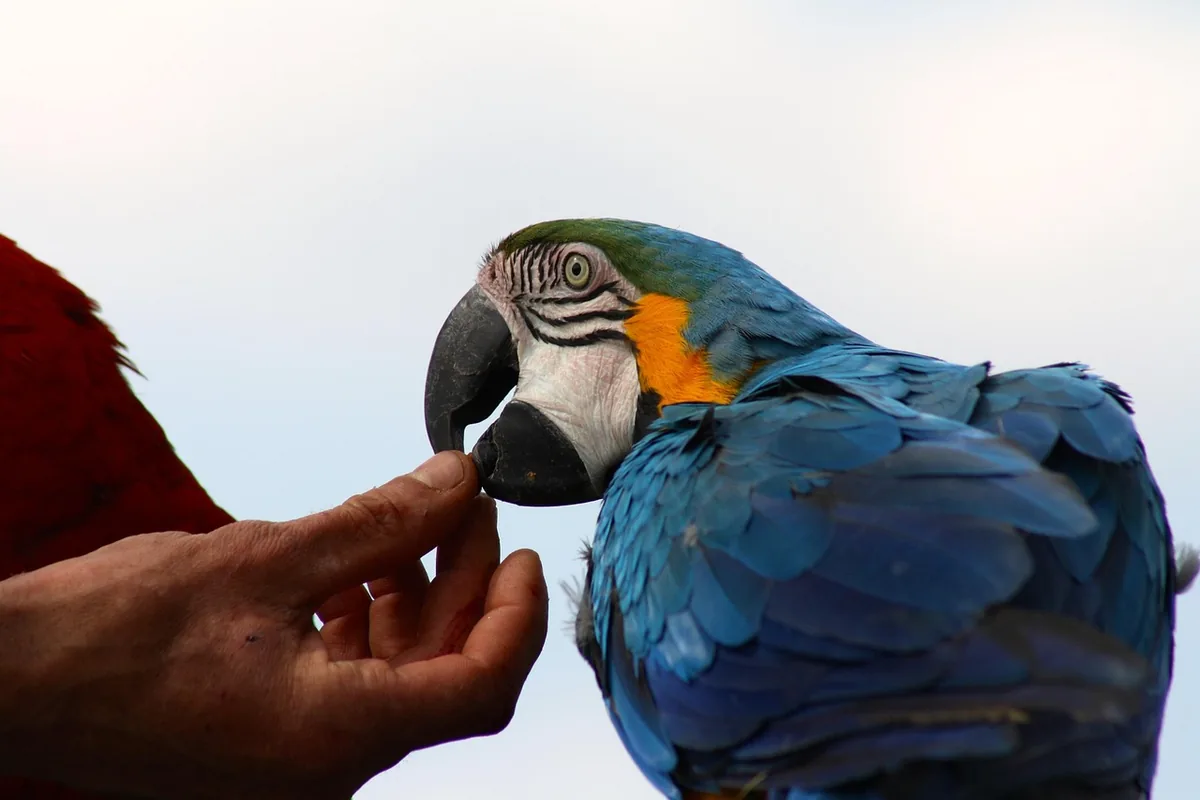
Understanding Your Shy Parrot's World
If your parrot freezes when you approach their cage, trembles at new sounds, or retreats to the farthest corner when visitors arrive, you're not alone. In our experience boarding over 1,000 birds at BST, we see shy and fearful parrots regularly — and here's the thing: with patience and the right approach, even the most timid bird can learn to feel secure and confident.
Shyness in parrots isn't a character flaw or something to "fix" quickly. It's often a protective response that makes perfect sense when you understand what your bird has experienced. The good news is that confidence can absolutely be built, one tiny step at a time.
Why Some Parrots Are Naturally Shy
Understanding the root of your bird's shyness helps you approach their confidence-building journey with empathy rather than frustration.
Natural Personality Differences
Just like people, some parrots are naturally more cautious. Certain species, like cockatiels and some conures, tend to be more sensitive to their environment. This isn't a problem to solve — it's simply who they are. These birds often become wonderfully bonded companions once they feel secure.
Past Trauma and Negative Experiences
Rescue birds or those who've experienced rough handling, loud environments, or inconsistent care often develop protective shyness. A bird who was grabbed forcefully might fear hands indefinitely. One who experienced chaos might startle at sudden movements or sounds.
Lack of Early Socialization
Birds who weren't exposed to various people, sounds, and experiences during their critical socialization period (typically the first few months of life) may find new situations overwhelming. This is especially common in birds who were hand-fed but not properly socialized afterward.
Medical Issues
Sometimes what appears to be shyness is actually discomfort. A bird dealing with pain or illness may withdraw and seem fearful. If your bird's shyness appeared suddenly or is accompanied by other behavioral changes, consult an avian veterinarian first.
The Foundation: Creating a Predictable Environment
Before diving into confidence-building exercises, your shy bird needs to feel secure in their basic environment. Predictability is key for anxious parrots.
Establish Consistent Routines
- Feed at the same times daily
- Keep cage cleaning and maintenance on a schedule
- Maintain consistent sleep and wake times
- Use the same gentle voice and movements around your bird
Create Safe Spaces
Your bird should have areas in their cage where they feel completely secure — perhaps a cozy corner with perches at different heights, or a small "hideaway" where they can retreat when feeling overwhelmed.
Pro Tip: Never force a bird out of their safe space. Let them choose when to venture out, and they'll gradually expand their comfort zone.
The Tiny Steps Approach: Building a Desensitization Ladder
The secret to building confidence in shy parrots is breaking everything down into impossibly small steps. We call this creating a "desensitization ladder" — each rung represents a tiny increase in challenge.
How Desensitization Works
Start at a distance or intensity where your bird notices the stimulus but remains calm. Gradually decrease distance or increase intensity over multiple sessions, only moving to the next step when your bird is completely comfortable with the current one.
Reading Your Bird's Body Language
Learn to recognize your bird's stress signals:
- Feathers slicked tight to body
- Rapid breathing
- Freezing in place
- Attempting to fly away or hide
- Aggressive posturing (sometimes fear-based)
Comfort signals include:
- Relaxed, slightly fluffed feathers
- Normal breathing
- Curious head tilting
- Preening or eating
- Vocalizing softly
Target Training: The Ultimate Confidence Builder
Target training — teaching your bird to touch a target stick — is one of the most effective confidence-building tools we use at BST. Here's why it works so well:
Why Target Training Builds Confidence
- Gives your bird control over interactions
- Creates positive associations with training sessions
- Builds focus and reduces anxiety
- Establishes clear communication between you and your bird
- Provides mental stimulation and accomplishment
Getting Started with Target Training
- Choose your target: A chopstick, wooden spoon, or commercial target stick
- Start inside the cage: Hold the target near your bird (but not touching)
- Mark and reward: The moment your bird looks at or moves toward the target, say "good" and offer a small treat
- Progress gradually: Only ask for actual touching once your bird consistently moves toward the target
Important: Never chase your bird with the target. If they move away, simply wait or end the session positively.
Specific Exercises for Common Fears
Overcoming Hand Fear
Many shy parrots have learned to fear human hands. Here's a step-by-step approach:
Week 1-2: Distance Work
- Sit near the cage with hands visible but relaxed
- Read aloud or talk softly while your hands rest in view
- Offer treats by placing them near the cage (not from your hand)
Week 3-4: Closer Proximity
- Place your hand flat against the outside of the cage bars
- Keep hand still and calm
- Reward your bird for staying calm with verbal praise
Week 5-6: Inside the Cage
- Place an empty, flat hand inside the cage at the farthest point from your bird
- Don't move toward them — let them investigate
- Gradually move hand closer over multiple sessions
Week 7+: Interactive Touch
- Once your bird is comfortable with your still hand, begin target training
- Use target training to encourage your bird to come closer to your hand
- Eventually, they may step onto your hand to reach the target
Introducing New People
Step 1: New person sits across the room, ignoring the bird completely Step 2: New person talks softly while still ignoring the bird Step 3: New person moves slightly closer (over multiple visits) Step 4: New person offers treats from a distance Step 5: New person can sit near cage while bird remains calm Step 6: New person can interact directly with bird
Desensitizing to New Objects
Start Small: Introduce tiny changes before major ones
- Place a small, non-threatening object across the room
- Gradually move it closer over several days
- Eventually place it near (not in) the cage
- Finally, add it to the cage environment
Use Positive Associations: Pair new objects with good things
- Offer favorite treats when the new object appears
- Play calm music during object introduction
- Keep your own energy calm and positive
Celebrating Small Wins
Progress with shy parrots happens in tiny increments, and it's crucial to recognize and celebrate each small victory. Did your bird stay calm when you walked past their cage today? That's progress! Did they eat a treat while you were sitting nearby? Huge win!
Keep a Progress Journal
Document your bird's small victories:
- Date and describe each positive interaction
- Note what worked and what didn't
- Track patterns in your bird's comfort levels
- Celebrate weekly improvements, no matter how small
Pro Tip: Take photos or videos of your bird's relaxed body language on good days. During challenging times, these reminders help you see how far you've come.
Realistic Timelines: Patience Is Everything
Here's the honest truth: building confidence in a shy parrot takes months, not weeks. Every bird progresses at their own pace, and pushing too fast often sets you back.
Typical Timeline Expectations
- Weeks 1-4: Establishing basic trust and routine
- Months 2-3: Beginning to see consistent small improvements
- Months 4-6: More significant progress and breakthrough moments
- 6+ months: Solid confidence in familiar situations, beginning to generalize to new ones
Some birds progress faster, others need longer. We've worked with birds who took over a year to feel truly confident, and they became some of the most devoted companions.
When to Seek Professional Help
Consider consulting with an avian behaviorist if:
- Your bird shows no improvement after 3-4 months of consistent work
- Fearful behaviors are getting worse despite gentle approaches
- Your bird is self-harming (plucking, self-mutilation)
- You feel overwhelmed or frustrated with the process
Final Thoughts
Building confidence in a shy parrot is one of the most rewarding journeys you can take together. Yes, it requires patience, consistency, and lots of tiny steps. But watching a fearful bird gradually learn to trust, explore, and even seek out interaction is incredibly special.
Remember: your shy bird isn't broken or defective. They're simply cautious, and with your patient guidance, they can learn that the world — and you — are safe. Every small step forward is a victory worth celebrating, and the bond you'll build through this process will be deeper and more meaningful than you might imagine.
Take it one day at a time, celebrate the small wins, and trust the process. Your bird is lucky to have someone willing to meet them where they are and help them grow at their own pace.
Explore related topics
Related Articles
Adopting an Older Parrot: What to Expect and How to Succeed
Older parrots make incredible companions but come with established personalities and sometimes baggage. Here's how to thrive together.
The Psychology of Parrot Trust: How Birds Decide to Trust You
Trust is the foundation of every good human-bird relationship. Here's the psychology behind how parrots evaluate trustworthiness.
Building Trust with a Rescue Parrot: A Patient Guide
Rescue parrots come with history. Learn how to earn their trust at their pace, not yours.