Power Outage Preparation: Keeping Your Bird Safe When the Lights Go Out
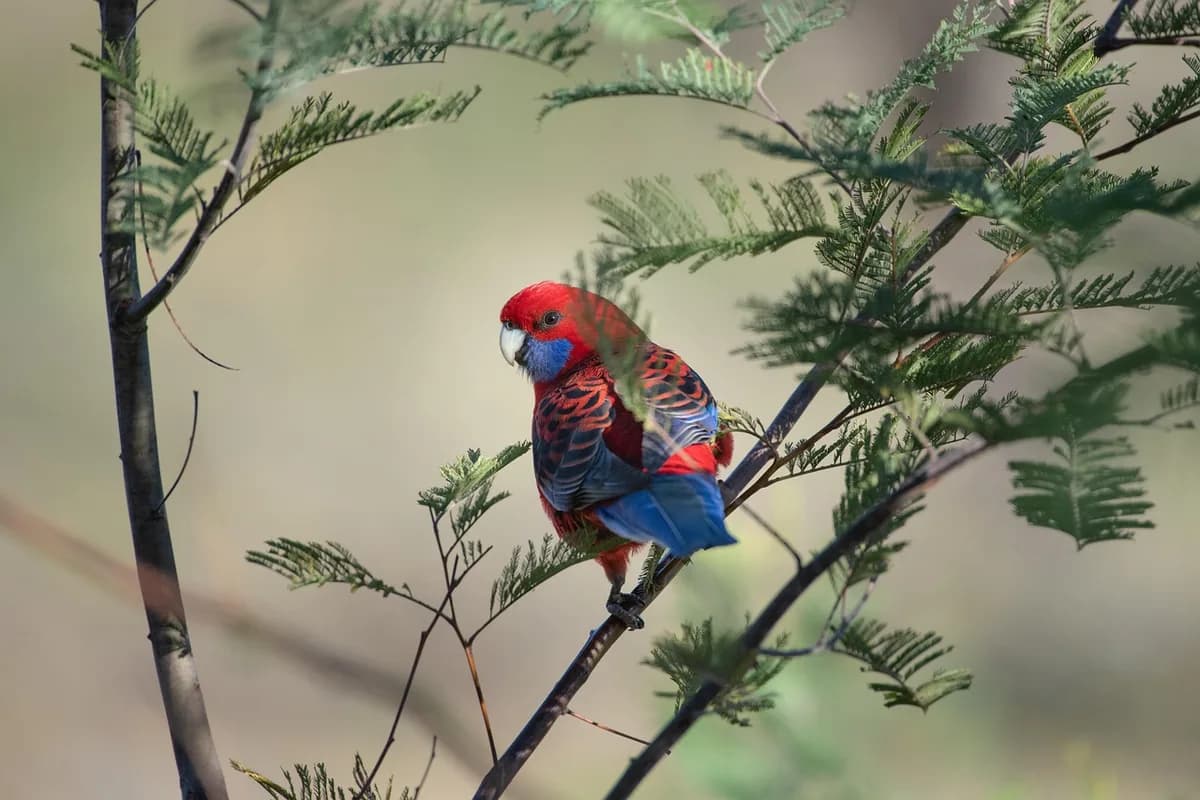
When the Power Goes Out: Protecting Your Feathered Friend
Power outages can strike without warning, and when they do, your bird's safety becomes an immediate priority. Unlike cats or dogs, birds are incredibly sensitive to temperature changes and environmental disruptions. At Bird Sitting Toronto, we've helped countless bird families prepare for and navigate power outages, especially during Canada's harsh winter months when a loss of heat can quickly become life-threatening for tropical birds.
The key to keeping your bird safe during an outage lies in preparation and quick action. Understanding your bird's specific needs and having a solid emergency plan can mean the difference between a minor inconvenience and a serious health crisis. Let's walk through everything you need to know to protect your feathered companion when the lights go out.
Understanding the Immediate Dangers
When power fails, several threats to your bird's wellbeing emerge simultaneously. Temperature regulation tops the list of concerns – most pet birds require ambient temperatures between 18-27°C (65-80°F) to maintain their health. Unlike mammals, birds cannot effectively regulate their body temperature in extreme conditions, making them vulnerable to hypothermia within hours of temperature drops.
Air quality presents another immediate concern. If your bird lives in a dusty environment or you rely on air purifiers to manage dander and particulates, the sudden loss of air circulation can create respiratory stress. Birds have incredibly efficient but delicate respiratory systems, making them sensitive to air quality changes.
The loss of familiar lighting patterns can trigger night frights, especially in smaller birds like cockatiels and budgies. Sudden darkness or the appearance of unfamiliar shadows from emergency lighting can cause panic, leading to injuries from frantic flying or thrashing in the cage.
Critical Timing: In winter conditions, you have approximately 2-4 hours before indoor temperatures drop to dangerous levels for tropical birds. Act quickly to implement warming strategies.
Emergency Heating Solutions
Your first priority during a power outage should be maintaining your bird's body temperature. Several safe heating alternatives can buy you crucial time while you assess the situation.
Hand Warmers and Heat Packs
Disposable hand warmers offer an excellent short-term heating solution. Place activated hand warmers around your bird's carrier or cage, ensuring they never come into direct contact with your bird or the cage bars. Wrap them in towels or socks to create a buffer and prevent overheating or burns. Replace warmers every 6-8 hours as their effectiveness diminishes.
Blanket Coverage
Cover three sides of your bird's cage with thick blankets, leaving the front partially open for ventilation. This creates a warmer microclimate while maintaining airflow. Use multiple layers if available, but ensure your bird can still breathe easily. Wool blankets work particularly well as they retain heat even when slightly damp.
Body Heat Transfer
For smaller birds, carefully supervised body heat can provide life-saving warmth. Place your bird in a secure carrier and hold it close to your body, allowing your natural body heat to warm the surrounding air. This method requires constant supervision to prevent overheating or escape, but it can be highly effective for short periods.
Vehicle Heating as Last Resort
If your home becomes dangerously cold and other heating methods prove insufficient, your running vehicle can serve as a temporary warming station. Ensure proper ventilation, never leave your bird unattended, and monitor for carbon monoxide risks. Use this method only for short periods while arranging alternative accommodation.
Food and Water Essentials
Power outages disrupt normal feeding routines and food storage capabilities. Fresh water becomes your top priority – birds can survive longer without food than without water, but both remain essential for their health.
Water Management
Fill multiple containers with fresh water immediately when you suspect an outage might occur. Store water in various locations throughout your home to ensure access regardless of temperature zones. In winter, move water containers to the warmest areas of your home to prevent freezing. Consider using thermal containers or wrapping water bottles in towels to maintain temperature longer.
Emergency Food Supplies
Stock shelf-stable foods that don't require refrigeration or heating. High-quality pellets, seeds, and dried fruits can sustain your bird during extended outages. Avoid foods that spoil quickly without refrigeration, such as fresh fruits and vegetables, unless you can consume them within hours of the power loss.
Keep a 72-hour supply of your bird's regular food in an easily accessible emergency kit. Include familiar treats to encourage eating, as stress can reduce appetite during emergencies.
Lighting and Comfort Measures
Maintaining some level of lighting helps prevent night frights and keeps your bird's circadian rhythms as normal as possible during stressful situations.
Battery-Powered Lighting
LED lanterns or battery-powered lights provide gentle, consistent illumination without the fire risk of candles. Position lights to create soft, even lighting rather than harsh shadows that might frighten your bird. Red-tinted lights work well for evening hours as they're less disruptive to sleep patterns.
Comfort Items
Keep familiar toys, perches, and comfort items readily available. Stress can manifest in destructive behaviors, and familiar objects help maintain normalcy. Consider covering the cage partially to create a sense of security while maintaining access to light and air.
Communication and Information
Staying informed during power outages helps you make critical decisions about your bird's safety and care.
Emergency Communication
Keep a battery-powered or hand-crank radio for weather updates and restoration timelines. Charge portable phone batteries before storms or during outage warnings. Program important numbers into your phone, including your veterinarian, emergency animal hospitals, and local emergency services.
Documentation
Store copies of your bird's veterinary records, medications, and emergency contact information in waterproof containers. Include photos of your bird for identification purposes if evacuation becomes necessary.
Long-Term Outage Protocol
Extended power outages require more comprehensive planning and potentially difficult decisions about temporary relocation.
Evacuation Planning
Identify friends, family members, or boarding facilities with reliable power and heat who could accommodate your bird temporarily. Bird Sitting Toronto has helped many families during extended outages, providing heated, safe environments when homes become uninhabitable for sensitive birds.
Prepare a travel carrier with familiar bedding, food, and water supplies. Practice loading your bird into the carrier during calm periods so the process becomes familiar and less stressful during emergencies.
Decision Timeline
Establish clear benchmarks for evacuation decisions. If indoor temperatures drop below 15°C (60°F) and show no signs of recovery within 6-8 hours, begin implementing evacuation plans. Don't wait until your bird shows signs of distress – prevention is always preferable to treatment.
Canadian Winter Considerations
Canadian winters present unique challenges for bird owners during power outages. Outdoor temperatures can plummet to life-threatening levels within hours, making indoor heating failures particularly dangerous.
Winter outages often last longer due to weather-related infrastructure damage. Ice storms and heavy snow can delay repair crews, extending outages from hours to days. Prepare for extended periods without power by maintaining larger emergency supply stocks during winter months.
Consider investing in a generator if you live in areas prone to winter outages, but ensure proper ventilation and carbon monoxide safety. Never operate generators indoors or in attached garages where fumes could harm your bird.
Winter Warning: Temperatures below 10°C (50°F) can be fatal for tropical birds within 4-6 hours. Have evacuation plans ready before winter weather arrives.
Final Thoughts
Power outage preparation for bird owners requires proactive planning and quick action when emergencies strike. The combination of temperature sensitivity, respiratory delicacy, and stress susceptibility makes birds particularly vulnerable during power failures. By maintaining emergency supplies, understanding heating alternatives, and establishing clear evacuation protocols, you can protect your feathered friend during even extended outages.
Remember that preparation is your best defense. Assemble emergency kits before you need them, identify backup heating sources, and establish relationships with potential temporary caregivers. When the power goes out, you'll have the tools and knowledge needed to keep your bird safe and comfortable until normal conditions return. Your quick thinking and advance preparation can make all the difference in protecting your beloved companion during these challenging situations.
Explore related topics
Related Articles
Bird-Proofing Your Home: A Room-by-Room Safety Guide
Your home is full of hidden dangers for birds. This room-by-room guide helps you create a truly safe environment.
Bird-Safe Houseplants: A Complete List for Bird Owners
Love plants and birds? Here's your definitive guide to which houseplants are safe and which can kill your parrot.
Emergency Evacuation Plan for Bird Owners: Be Prepared for Anything
Fire, flood, power outage — do you have an evacuation plan for your bird? Most owners don't. Here's how to create one.