Parrots and Mirrors: Helpful or Harmful?
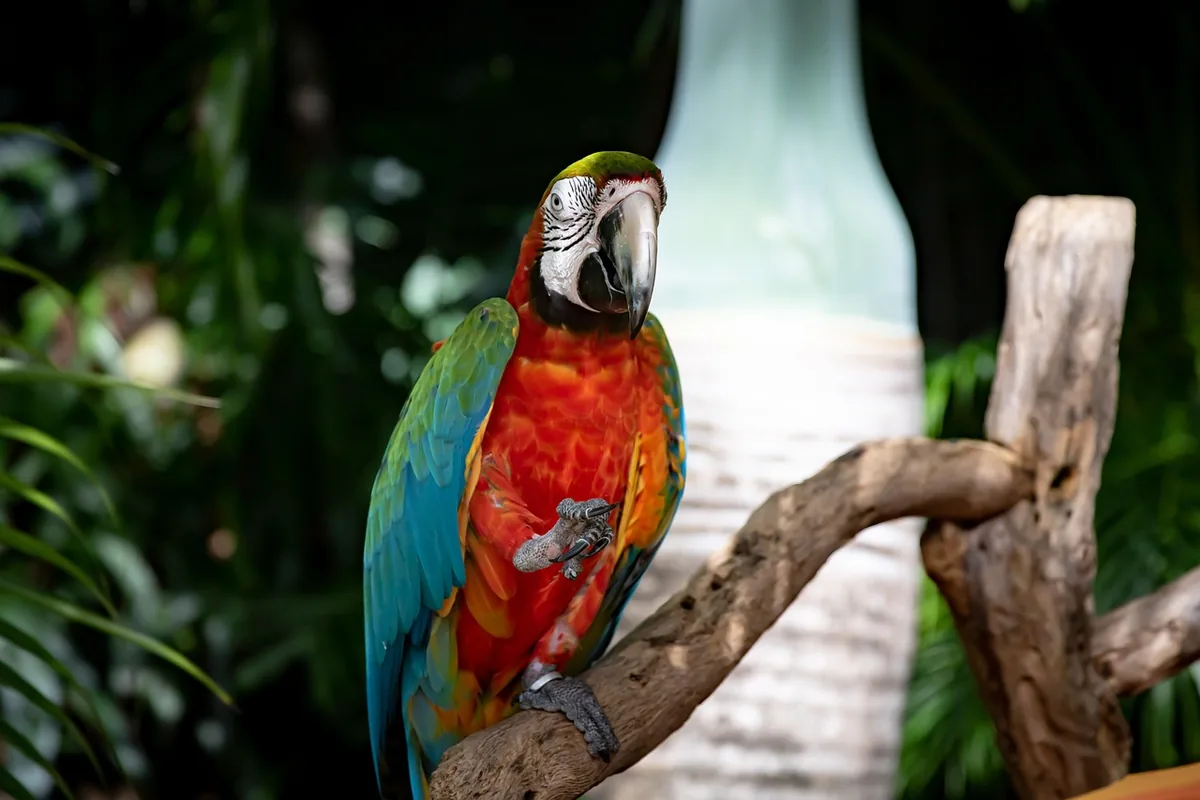
The Mirror Dilemma: What Every Parrot Owner Needs to Know
Walk into any pet store, and you'll find mirrors marketed as "perfect companions" for single birds. The idea seems sweet enough — give your lonely parrot a "friend" to chat with while you're away. But here's the thing: what looks like harmless entertainment can actually create some serious behavioral and emotional problems for your feathered friend.
In our experience boarding over 1,000 birds at BST, we've seen firsthand how mirrors can affect parrots. Some birds arrive completely obsessed with their reflection, others become aggressive when separated from their mirror, and many have developed hormonal behaviors that make them difficult to handle. Let's dive into why mirrors are more complex than they appear.
Why Bird Owners Turn to Mirrors
The most common reason people add mirrors to their bird's cage is loneliness — or rather, the fear that their bird is lonely. If you work long hours or can't provide constant companionship, a mirror seems like an obvious solution. Your parrot appears to "talk" to their reflection, seems engaged, and looks happy.
Many pet stores actively promote mirrors as enrichment tools, especially for single birds. The marketing makes sense: mirrors are inexpensive, require no maintenance, and seem to provide instant companionship. For busy bird parents, it feels like a guilt-free way to keep their pet entertained.
We completely understand this impulse. You love your bird and want them to be happy when you can't be there. The problem is that mirrors don't provide the kind of healthy social interaction your parrot actually needs.
The Hidden Dangers of Mirrors
Hormonal Stimulation and Sexual Behaviors
This is the big one. When your parrot stares into a mirror, they don't see a reflection — they see another bird. And not just any bird, but one that mimics their every move, appears constantly interested in them, and never leaves. This creates an unnaturally intense "relationship" that can trigger hormonal responses.
We regularly see birds who regurgitate food onto their mirrors, a behavior that indicates they're trying to feed their "mate." Others become sexually aroused by their reflection, leading to excessive egg-laying in females or masturbatory behaviors in males. These hormonal surges aren't just behavioral quirks — they can lead to serious health problems including egg-binding, chronic egg-laying, and reproductive system issues.
Unhealthy Bonding and Obsession
Your parrot can become genuinely bonded to their reflection, treating it as their primary companion. This might sound harmless, but it creates several problems:
- Separation anxiety: When the mirror is removed or they're taken away from it, birds can become extremely distressed
- Neglect of real relationships: Birds may become less interested in interacting with humans or other birds
- Territorial behavior: Some parrots become possessive of their mirror and aggressive toward anyone who approaches
Aggression and Frustration
Not all birds see their reflection as a friend. Some become territorial and aggressive, viewing the "other bird" as an intruder in their space. This can lead to:
- Constant fighting with the mirror
- Increased stress and anxiety
- Redirected aggression toward human family members
- Self-destructive behaviors like feather plucking
Important: If your bird shows any signs of aggression, obsession, or hormonal behavior around mirrors, remove them immediately and consult with an avian veterinarian.
Interference with Human Bonding
Perhaps most importantly, mirrors can interfere with your bird's ability to bond with you and your family. When they have a "perfect companion" that never disagrees, never leaves, and always pays attention, why would they invest in more complex relationships with humans?
Birds who are heavily bonded to mirrors often become less social, less trainable, and less interested in the varied experiences that make for a rich, healthy life.
When Mirrors Might Be Temporarily Acceptable
We're not completely anti-mirror in every situation. There are rare circumstances where a mirror might be temporarily helpful:
Brief Periods Only
If you're dealing with an emergency situation where your bird needs to be alone for an extended period, a mirror for a few days probably won't cause lasting harm. The key word here is "brief" — we're talking days, not weeks or months.
Sick or Stressed Birds
Sometimes a very ill or stressed bird finds comfort in a reflection. In these cases, the temporary emotional support might outweigh the risks, but this should always be under veterinary guidance.
The Difference: Quick Glance vs. Permanent Fixture
There's a big difference between a bird catching glimpses of themselves in a window or shiny surface versus having a dedicated mirror permanently mounted in their cage. Occasional reflections aren't usually problematic — it's the constant access to a mirror that creates issues.
Pro Tip: If your bird encounters mirrors elsewhere in your home (bathroom mirrors, reflective surfaces), don't panic. It's the prolonged, daily exposure that causes problems, not the occasional glimpse.
Better Alternatives for Companionship
The good news is there are many healthier ways to provide companionship and enrichment for your single bird:
Increase Human Interaction Quality
Rather than adding more hours, focus on making your time together more engaging:
- Teach new tricks and commands
- Practice flight recall in a safe space
- Include your bird in daily activities like cooking (safely) or reading
- Create training sessions that challenge their mind
Environmental Enrichment
- Foraging toys: Hide treats in paper cups, toilet paper rolls, or commercial foraging toys
- Puzzle feeders: Make your bird work for their food
- Rotating toy selection: Keep 3-4 toys in the cage and rotate weekly
- Natural branches: Provide different textures and shapes to explore
Audio and Visual Stimulation
- Bird videos: Many parrots enjoy watching other birds on TV or tablets
- Radio or music: Leave calming music or talk radio on during the day
- Window views: Position the cage where your bird can watch outdoor activity
Social Opportunities
- Playdates: If you know other bird owners, supervised social time can be wonderful
- Training classes: Some areas offer parrot training classes
- Bird-friendly outings: Harness-trained birds can enjoy supervised outdoor time
The Ultimate Solution: Consider a Companion Bird
If your schedule truly doesn't allow for adequate social time, the best long-term solution might be getting your parrot a real companion. This is a big decision that requires careful consideration:
- Species compatibility: Not all birds get along, even within the same species
- Quarantine period: New birds need 30-45 days of separation for health screening
- Double the responsibility: Two birds mean twice the vet bills, food costs, and care requirements
- No guarantee: Some birds prefer to remain single
Warning: Never assume two birds will automatically become friends. Introduce them slowly and always have a backup plan if they don't get along.
Making the Transition Away from Mirrors
If your bird is already bonded to a mirror, removing it suddenly can cause distress. Here's how to make the transition easier:
- Gradually reduce access: Start by covering the mirror for increasing periods each day
- Increase alternative enrichment: Add new toys and activities before removing the mirror
- Boost human interaction: Spend more quality time with your bird during the transition
- Be patient: It may take weeks for your bird to adjust and show interest in new activities
Final Thoughts
While mirrors might seem like a simple solution to keeping your parrot entertained, they often create more problems than they solve. The temporary happiness they provide usually comes at the cost of healthy development, natural behaviors, and meaningful relationships with their human family.
Your bird doesn't need a perfect companion who never disagrees or challenges them — they need varied, enriching experiences that help them grow and thrive. By focusing on quality interaction, environmental enrichment, and meeting their natural needs for mental stimulation, you'll have a much happier, healthier, and more well-adjusted feathered friend.
Remember, every bird is different. If you're concerned about your parrot's behavior around mirrors or need help transitioning away from them, don't hesitate to consult with an experienced avian veterinarian or certified bird behaviorist. Your bird's long-term wellbeing is worth the extra effort to get their social needs right.
Explore related topics
Related Articles
Building Natural Branch Perches: A Step-by-Step Guide
Natural branches are the best perches — varied diameter, texture, and chewing opportunity. Here's how to prepare them safely.
15 DIY Bird Toys from Dollar Store Items
You don't need expensive pet store toys. These 15 DIY toys cost under $2 each and your bird will love them.
DIY Parrot Play Gym: How to Build an Amazing Play Area for Under $50
A play gym gives your parrot a dedicated out-of-cage space. Here's how to build one with safe, affordable materials.