Parrotlet Diet and Nutrition: Feeding the Obesity-Prone Pocket Parrot
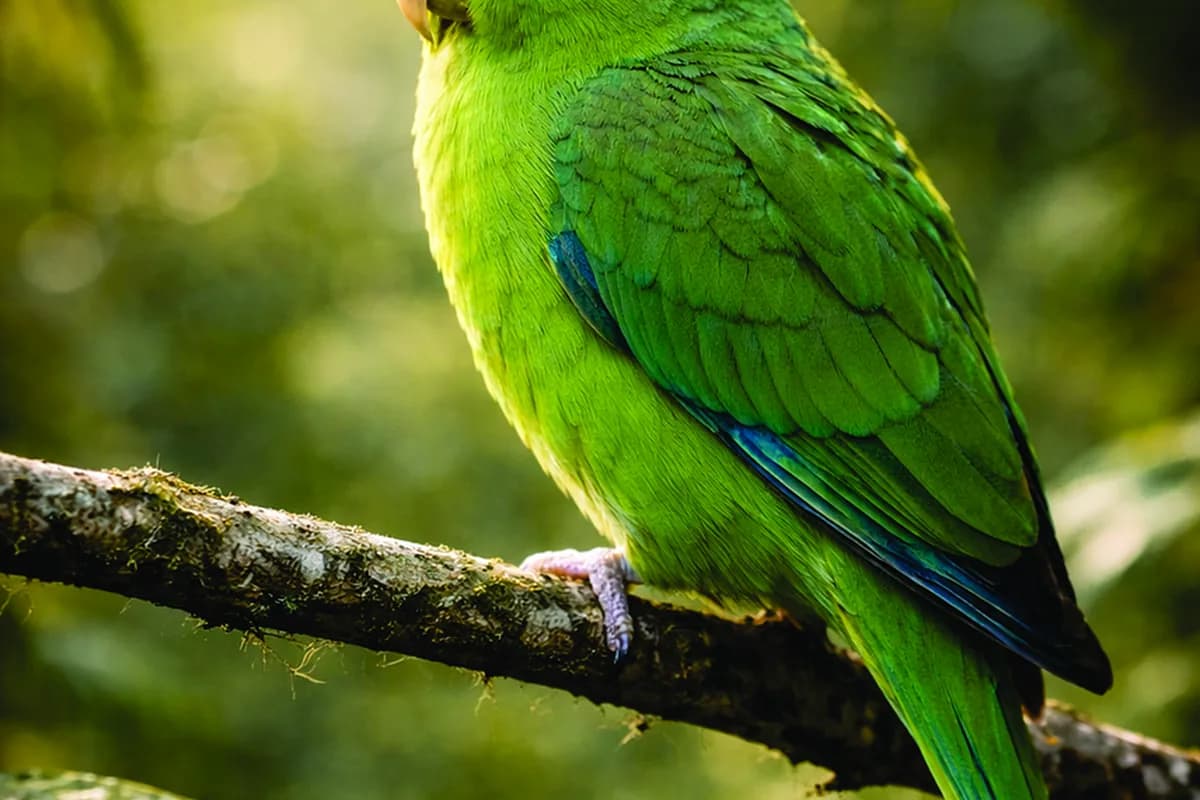
A parrotlet weighs only 28-35 grams, and that tiny size hides a genuine nutritional trap. These birds are surprisingly prone to obesity and fatty liver (hepatic lipidosis) disease — arguably more so than many larger parrots — because a seed-loving little bird with a slow metabolism and limited flight space piles on fat quickly. Getting the diet right is the single most important thing you can do for a parrotlet's 15-20 year lifespan. This guide stays in the nutrition lane; housing, behavior and medical care each have their own article.
The Pellet House Standard for Parrotlets
Parrotlets are true hookbills, and like most parrots they do best on a formulated pellet base rather than a seed mix. At Bird Sitting Toronto we build every parrotlet's bowl around the same standard:
| Food group | Share of diet | Examples |
|---|---|---|
| Formulated pellets | 75-80% | Harrison's Fine, Roudybush Nibles/Mini, TOP's small |
| Fresh vegetables & greens | 20-25% | Kale, broccoli, sweet potato, bell pepper, dark leafy greens |
| Fruit | small part of the fresh portion | Berries, apple (no seeds), mango — in moderation |
| Seeds & nuts | ~5%, treats only | Millet, a single sunflower or safflower kernel as a reward |
The reason to keep seeds to a treat-only role is specific to this species: seeds are high in fat, and a parrotlet's tendency toward fatty liver disease means a seed-based diet is not just unbalanced, it is actively dangerous. Choose a pellet sized for small birds — full-size pellets are a chore for a 5-inch parrot, and a bird that gives up on eating them may crash quickly at this body size.
Tip: Weigh your parrotlet weekly on a gram scale. A healthy adult sits around 28-35 g; a bird creeping past that range, or one developing a visibly rounded chest, is telling you the fat and seed portions are too high. At this size, weight is your most sensitive nutrition gauge.
Calcium and the Egg-Laying Hen
Parrotlet hens — especially those that lay eggs, even without a mate — burn through calcium reserves and are at real risk of egg-binding when depleted. Support calcium with a cuttlebone or mineral block in the cage, calcium-rich greens (kale, dandelion, bok choy), and adequate exposure to natural or full-spectrum light so the bird can use dietary calcium properly. Do not add liquid calcium or vitamin supplements to a pelleted diet without veterinary guidance — a good pellet is already balanced, and over-supplementing can cause its own problems.
Safe Foods
Vegetables (the workhorses): broccoli, kale, dandelion greens, bok choy, Swiss chard, carrot, sweet potato (cooked), bell pepper, peas, zucchini, green beans, cooked squash. Dark leafy greens and orange vegetables are the most nutrient-dense choices.
Fruits (in moderation, for the sugar): blueberries, raspberries, apple without seeds, mango, papaya, pomegranate, melon.
Cooked grains and legumes (small amounts): cooked quinoa, brown rice, whole-grain pasta, well-cooked lentils and chickpeas. These add protein and variety.
Occasional protein: a little cooked egg is useful, particularly for a molting or laying hen.
Toxic Foods — Never Feed These
Some foods are dangerous to any bird, and in a 30-gram parrotlet the toxic dose is tiny. Never offer:
- Avocado — contains persin, which causes heart failure and death in birds.
- Chocolate — theobromine and caffeine are toxic to the heart and nervous system.
- Caffeine — coffee, tea, cola, and energy drinks overstimulate a bird's heart.
- Alcohol — no safe amount; devastating to such a small liver.
- Onion and garlic — damage red blood cells and cause anemia.
- Fruit pits and apple seeds — apple seeds, cherry, peach, apricot and plum pits contain cyanogenic compounds that release cyanide.
- Salty and heavily processed foods — a bird's kidneys cannot handle the sodium load.
- Uncooked (dried) beans — contain hemagglutinin, a potent toxin; only ever feed beans thoroughly cooked.
- Mushrooms — several species are toxic to birds; avoid them.
Warning: Because a parrotlet is so small, a bite of avocado or a lick of chocolate that a larger parrot might survive can be fatal here. Treat the toxic list as absolute and keep these foods off any surface your bird forages on.
Chop, Meal Prep, and Foraging
The easiest way to feed vegetables reliably is "chop" — a batch of finely diced safe vegetables and grains mixed together and frozen in small daily portions. Because parrotlets are choosy and will pick out favorites, chopping everything small forces variety and stops the bird from eating only the one thing it likes. Serve the fresh portion in the morning when appetite is highest, and remove perishable food after a few hours to avoid spoilage.
Make the bird work a little for its food: scatter-feed in foraging toys or wrap treats in paper. Foraging burns calories — directly useful against this species' obesity risk — and keeps a busy little mind occupied.
Transitioning Off Seed
Many parrotlets arrive addicted to seed, and small granivores can be slow, stubborn converters. Go gradually:
- Offer pellets alongside the usual seed in a separate dish so the bird learns to recognize them as food.
- Serve fresh vegetables every morning, trying different presentations — chopped, shredded, clipped to the bars, or lightly warmed.
- Reduce seed slowly over 4-6 weeks, never cutting it off cold — a parrotlet can starve rather than eat unfamiliar food, and at this body weight starvation happens fast.
- Weigh weekly throughout the switch and stop reducing seed if the bird loses weight.
- Be patient. A full conversion can take weeks to months. Sprouted seed is a useful bridge — more nutritious than dry seed and often accepted by birds resisting pellets.
Hydration
Fresh, clean water must be available at all times and changed at least twice daily — more if your bird likes to bathe or drop food in the bowl. Many parrotlets enjoy a splash, so offer a separate shallow bathing dish to keep drinking water clean. Skip vitamin drops in the water: they spoil quickly, encourage bacterial growth, and discourage drinking. A properly fed, pellet-based parrotlet gets the vitamins it needs from its food.
Explore related topics
Related Articles
Can Parrots Eat Human Food? A Complete Guide to Sharing Meals
Your parrot wants to eat off your plate. Which human foods are safe to share and which are dangerous?
The Complete Guide to Parrot Pellets: Brands, Conversion, and Myths
Pellets should be 50-70% of your parrot's diet, but not all pellets are equal. Here's everything you need to know.
Cooking for Your Parrot: 15 Recipes and Meal Ideas They'll Love
Variety is the spice of your parrot's diet. These easy recipes make feeding time exciting and nutritious.