Organic vs Conventional Bird Food: Is It Worth the Extra Cost?
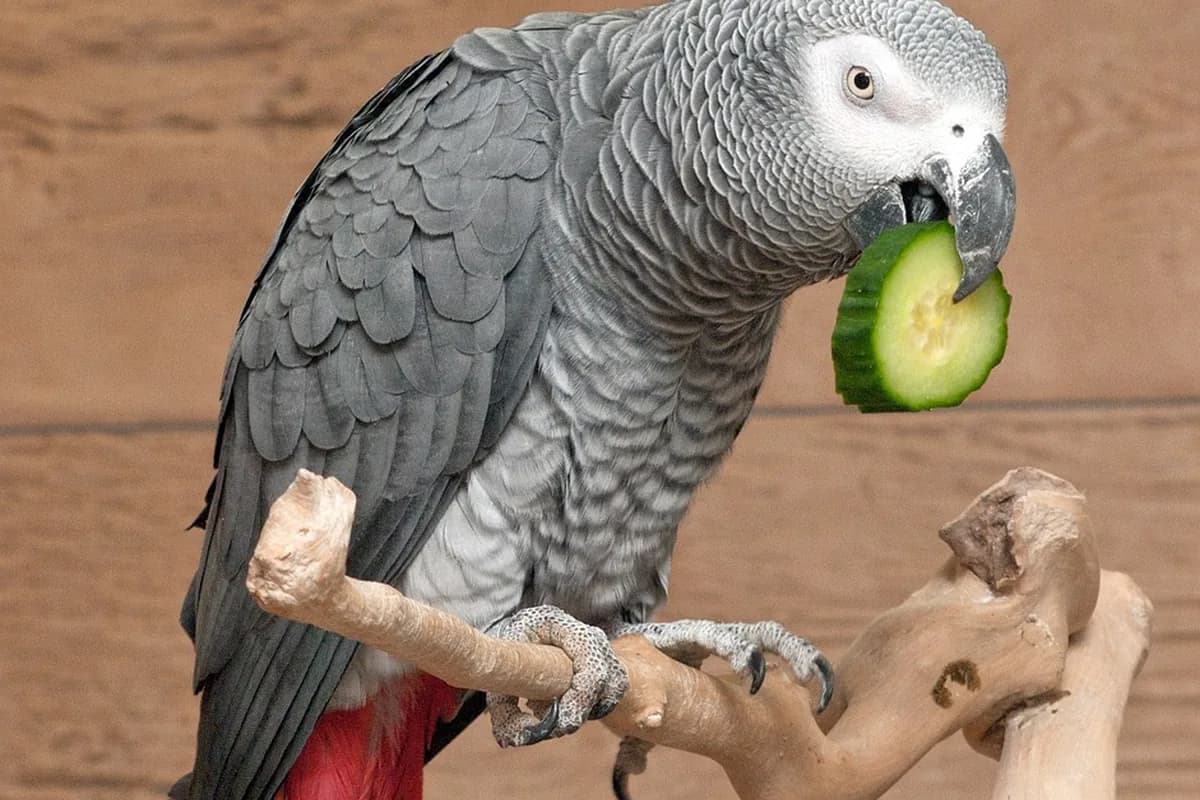
The Great Bird Food Debate: What Your Feathered Friend Really Needs
You're standing in the pet store aisle, staring at two bags of pellets. One says "organic" and costs twice as much as the conventional option sitting right next to it. Sound familiar? This is one of the most common dilemmas we hear about from bird parents at BST, and honestly, it's a really valid question. When you love your bird, you want to give them the best — but does "organic" automatically mean better?
Let's break this down together, because the answer isn't as straightforward as the marketing would have you believe.
What Does "Organic" Actually Mean for Bird Food?
When we see that organic label, it's easy to assume it's automatically the healthier choice. But let's get specific about what organic certification means for your bird's food.
Organic bird food must be produced without:
- Synthetic pesticides and herbicides
- Artificial fertilizers
- Artificial colors and preservatives
- Genetically modified organisms (GMOs)
- Antibiotics or growth hormones (for any animal-derived ingredients)
The grains, seeds, and other ingredients must come from farms that follow strict organic farming practices. This means the corn, soybeans, and other crops in the pellets were grown without chemical pesticides that could potentially remain as residues in the final product.
Here's the thing though — "organic" doesn't automatically mean "complete" or "balanced." An organic seed mix that's nutritionally poor is still nutritionally poor, just without pesticides.
Brand Showdown: Harrison's vs. Zupreem
Let's look at two popular brands that represent each side of this debate: Harrison's (organic) and Zupreem (conventional).
Harrison's Organic Bird Foods
Harrison's has built their entire brand around organic, whole food nutrition. Their pellets contain organic ingredients like hulled grey millet, organic sunflower seed meal, and organic peanut meal. No artificial colors, no synthetic preservatives.
Pros:
- Certified organic ingredients
- No artificial additives
- Veterinary formulated
- Excellent reputation among avian vets
Cons:
- Significantly more expensive
- Some birds resist the natural brown color initially
- Limited flavor varieties
Zupreem Conventional Pellets
Zupreem offers both natural and colored pellet options. Their conventional pellets are nutritionally complete but contain artificial colors and aren't made with organic ingredients.
Pros:
- More affordable
- Wide variety of flavors and formulations
- Many birds readily accept them
- Still nutritionally complete
Cons:
- Contains artificial colors (in colored varieties)
- Non-organic ingredients may contain pesticide residues
- Some artificial preservatives
The Artificial Color Controversy
Those bright red, yellow, and green Zupreem pellets sure look appealing — but do the artificial colors actually matter for your bird's health?
The research here is honestly pretty limited. We don't have long-term studies showing that artificial colors cause specific health problems in birds. However, there are a few considerations:
Why some people avoid artificial colors:
- Birds may be more sensitive to additives than mammals
- Some artificial colors have been linked to behavioral issues in children (though this research doesn't directly apply to birds)
- They're simply unnecessary for nutrition
The reality check: In our experience boarding over 1,000 birds, we've seen healthy, thriving birds on both colored and natural pellets. The nutritional completeness of the diet matters far more than whether the pellets are rainbow-colored or natural brown.
Pro Tip: If you're concerned about artificial colors but cost is a factor, Zupreem also makes natural-colored pellets that are more affordable than organic options.
Pesticide Exposure: Are Birds More Vulnerable?
This is where the organic vs. conventional debate gets more serious. Birds do appear to be more sensitive to environmental toxins than mammals, and here's why:
Higher metabolic rate: Birds process food much faster than mammals, potentially leading to faster absorption of any toxins.
Different detoxification systems: Birds lack some of the liver enzymes that mammals use to break down certain chemicals.
Smaller body size: Many pet birds are much smaller than cats or dogs, so even tiny amounts of residues could have a proportionally larger impact.
Respiratory sensitivity: Birds' respiratory systems are incredibly efficient but also more vulnerable to airborne toxins.
That said, conventional bird foods sold in North America must meet safety standards for pesticide residues. The question is whether those standards are appropriate for birds specifically, since most research focuses on mammalian safety.
Cost Comparison: What You're Really Paying For
Let's talk numbers, because budget is a real consideration for most of us.
| Food Type | Brand Example | 5lb Bag Cost | Cost per Month (Medium Bird) |
|---|---|---|---|
| Organic Premium | Harrison's Adult Lifetime | $45-55 | $18-22 |
| Conventional Premium | Zupreem Natural | $25-30 | $10-12 |
| Conventional Colored | Zupreem FruitBlend | $20-25 | $8-10 |
| Budget Conventional | Generic Pellets | $15-20 | $6-8 |
Costs based on average online prices and assuming a medium-sized bird eating approximately 1/4 cup pellets daily.
The premium you're paying for organic is real — often 50-80% more than conventional options. For a single bird, that might mean an extra $100-150 per year.
When Organic Might Be Worth the Investment
Based on our experience and conversations with avian veterinarians, here are situations where organic food might be particularly beneficial:
Smaller Bird Species
Budgies, cockatiels, and other small birds have higher surface area to body weight ratios, potentially making them more susceptible to toxin accumulation. The smaller the bird, the more impact even tiny residue amounts could have.
Sensitive Species
Eclectus parrots are notorious for their sensitivity to artificial additives and dyes. Many Eclectus owners swear by organic diets, and some avian vets specifically recommend them for this species.
Canaries used in coal mines weren't chosen randomly — birds really can be more sensitive to environmental toxins.
Birds with Health Issues
If your bird has liver problems, kidney issues, or a compromised immune system, reducing potential toxin load through organic food might be worth the investment.
Multiple Bird Households
Interestingly, some families with multiple birds find that buying organic in bulk actually becomes more cost-effective, especially when buying directly from manufacturers.
When Conventional Might Be Just Fine
Here's some reassuring news: conventional pellets can absolutely support a healthy, long life for your bird. Many of the oldest birds we've cared for at BST have been on conventional diets their entire lives.
Conventional pellets are appropriate when:
- Your bird is healthy with no known sensitivities
- Budget is a significant concern
- Your bird strongly prefers conventional pellets and won't eat organic alternatives
- You're transitioning from an all-seed diet (any pellet is better than seeds)
Important: Don't let the perfect be the enemy of the good. A bird eating conventional pellets is infinitely better off than a bird on an all-seed diet, regardless of whether those seeds are organic.
The Bottom Line: Perspective Matters
After caring for hundreds of birds eating everything from premium organic to basic conventional pellets, here's what we've observed: the biggest factor in bird health isn't whether the pellets are organic — it's whether the bird is eating a varied, nutritionally complete diet instead of just seeds.
A bird eating conventional pellets plus fresh vegetables, some healthy grains, and occasional treats is almost certainly healthier than a bird eating only organic seeds. Nutrition completeness trumps organic certification every time.
Making Your Decision
Consider your specific situation:
Choose organic if:
- You can comfortably afford the premium
- Your bird is a sensitive species (Eclectus, small birds)
- Your bird has health issues
- You prefer to minimize potential chemical exposure
Conventional is fine if:
- Budget is tight
- Your bird is healthy and thriving
- You're already providing a varied diet with fresh foods
- You're transitioning from seeds (focus on acceptance first)
Final Thoughts
The most important thing you can do for your bird's nutrition isn't choosing between organic and conventional pellets — it's getting them off an all-seed diet and onto any high-quality, nutritionally complete pellet. Whether that's organic Harrison's or conventional Zupreem matters far less than making that fundamental switch.
If budget allows and you want the peace of mind that comes with organic, go for it. If conventional pellets fit your budget better and your bird thrives on them, that's perfectly fine too. Your bird will be healthier and happier with either choice compared to the seed-only diets that too many birds still live on.
Remember, the best diet is the one your bird will actually eat consistently, that provides complete nutrition, and that fits sustainably into your budget. Everything else is just fine-tuning.
Explore related topics
Related Articles
Can Parrots Eat Human Food? A Complete Guide to Sharing Meals
Your parrot wants to eat off your plate. Which human foods are safe to share and which are dangerous?
The Complete Guide to Parrot Pellets: Brands, Conversion, and Myths
Pellets should be 50-70% of your parrot's diet, but not all pellets are equal. Here's everything you need to know.
Cooking for Your Parrot: 15 Recipes and Meal Ideas They'll Love
Variety is the spice of your parrot's diet. These easy recipes make feeding time exciting and nutritious.