Nesting Instincts in Pet Parrots: What Every Owner Should Know
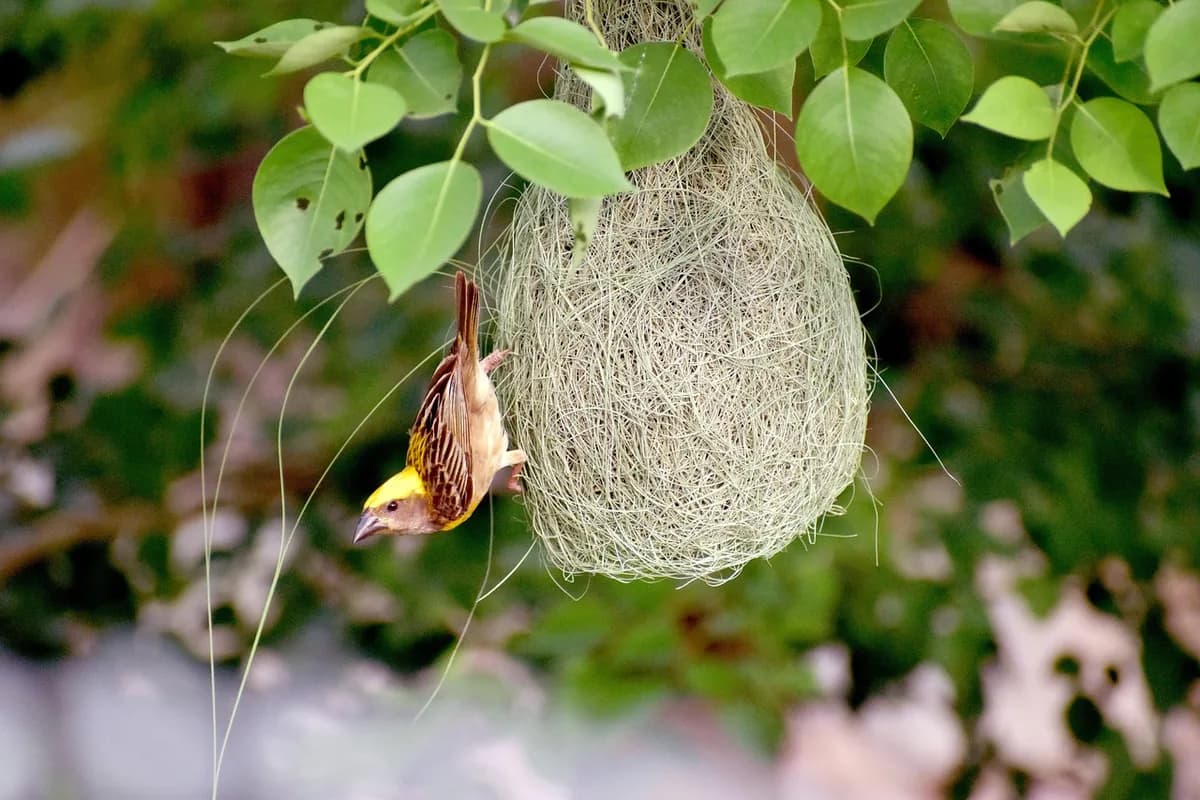
Understanding Your Parrot's Natural Instincts
If you've noticed your beloved parrot suddenly becoming obsessed with shredding paper, trying to crawl into dark spaces, or even becoming a bit more territorial than usual, you're witnessing something completely natural — their nesting instincts kicking in. This behavior can catch new bird owners off guard, but here's the thing: it's not a problem to solve, it's a natural cycle to understand and manage.
In our experience boarding over 1,000 birds at BST, we see these hormonal phases regularly, and I want you to know that your parrot isn't sick, stressed, or unhappy. They're simply responding to biological drives that have kept their species thriving for millions of years.
Why Parrots Nest Without a Mate
Your single parrot displaying nesting behavior might seem puzzling at first. After all, they don't have a mate or any intention of actually raising babies. But parrots don't think about reproduction the way we do — their bodies respond to environmental cues that signal "breeding season," regardless of whether a partner is present.
In the wild, parrots breed seasonally, typically triggered by longer days, warmer temperatures, and abundant food sources. Your home can accidentally mimic these conditions year-round, essentially telling your parrot's body that it's always the perfect time to start a family.
This is especially common in:
- Hand-fed parrots who see their human family as their "flock"
- Birds who have reached sexual maturity (varies by species, but generally 2-5 years old)
- Parrots living in consistently warm, well-lit homes with regular feeding schedules
The good news is that understanding these triggers gives you the tools to help manage your bird's hormonal cycles naturally.
What Triggers Nesting Behavior
Several environmental and social factors can flip your parrot's hormonal switch. Being aware of these triggers helps you create a more balanced environment for your feathered friend.
Light and Seasonal Changes
Extended daylight hours are one of the strongest breeding triggers for parrots. In nature, longer days signal spring and summer — prime breeding seasons. If your parrot is getting more than 10-12 hours of light daily (including artificial lighting), their body may interpret this as breeding season.
Warm, Cozy Spaces
Parrots naturally seek out enclosed, warm spaces for nesting. Your home likely offers plenty of these: under furniture, inside cabinets, behind appliances, or even that cozy corner where they like to snuggle. While these spots feel safe and comfortable to your bird, they can also trigger strong nesting instincts.
Rich Diet and Abundant Food
Consistent access to high-fat, high-protein foods signals to your parrot that resources are plentiful — perfect conditions for raising young. Foods like nuts, seeds, and even some pellets can contribute to hormonal behavior when offered too generously.
Physical Contact and Petting
This one surprises many owners: petting your parrot on their back, under their wings, or around their vent area mimics the physical contact they'd experience with a mate. While your intentions are purely affectionate, your bird's body interprets these touches as courtship behavior.
Recognizing the Signs
Hormonal behavior in parrots can manifest in various ways, and the intensity varies between individual birds and species. Here are the most common signs we see:
Behavioral Changes
Increased Aggression or Territoriality: Your normally sweet bird might suddenly become possessive of their cage, favorite person, or specific areas of the house. They may lunge, bite, or chase away perceived threats to their "territory."
Regurgitation: If your parrot starts bringing up food and offering it to you, toys, or mirrors, they're displaying courtship behavior. This is their way of "feeding" their chosen mate — which might be you.
Excessive Vocalization: Many parrots become louder and more persistent in their calling during hormonal periods. They're essentially advertising their availability and defending their territory.
Nesting Behaviors
Paper Shredding and Material Gathering: Your parrot might become obsessed with shredding paper, fabric, or other materials to create nesting material. They may stuff these materials under their wings or try to transport them to preferred locations.
Seeking Dark, Enclosed Spaces: Hormonal parrots often try to get into cabinets, under furniture, or behind appliances. They're looking for suitable nesting sites.
Increased Appetite: Some birds eat more during hormonal periods, preparing their bodies for the energy demands of breeding and egg-laying.
Physical Signs
Egg Laying: Female parrots may lay eggs even without a mate. While one or two eggs occasionally isn't cause for alarm, chronic laying can be dangerous.
Changes in Droppings: Some birds produce larger, less frequent droppings during hormonal periods as their bodies prepare for potential egg-laying.
Important: If your female parrot is laying eggs frequently (more than 2-3 clutches per year) or showing signs of being egg-bound (straining, sitting on the bottom of the cage, fluffed appearance), contact your avian veterinarian immediately.
Managing Hormonal Behavior Naturally
The goal isn't to completely eliminate your parrot's natural instincts, but to help them through these periods without encouraging excessive hormonal behavior. Here's how to create a more balanced environment:
Adjust the Light Schedule
Implement a consistent 10-12 hour light/dark cycle. This mimics natural seasonal changes and helps regulate your parrot's hormones. Cover their cage or move them to a dark, quiet room to ensure they get adequate rest.
During particularly hormonal periods, you might even reduce daylight hours to 8-10 hours for a few weeks to help reset their system.
Modify Their Diet
Reduce High-Fat Foods: Limit nuts, seeds, and fatty treats during hormonal periods. These foods signal abundance and can fuel breeding behavior.
Offer More Vegetables: Increase fresh vegetables and reduce overall calorie density. This mimics the leaner diet birds would experience outside of peak breeding season.
Control Portion Sizes: Instead of keeping food available all day, offer measured meals. This prevents the "feast" mentality that can trigger hormonal behavior.
Environmental Management
Remove Nesting Sites: Block access to dark, enclosed spaces that might encourage nesting. Rearrange furniture if necessary to eliminate cozy hiding spots.
Avoid Nest-Like Materials: Remove or limit access to paper, fabric scraps, or other materials your parrot might use for nesting.
Change the Cage Setup: Rearrange perches, toys, and food dishes to discourage territorial behavior and break established routines.
Modify Physical Interactions
This is often the hardest adjustment for loving bird owners, but it's crucial during hormonal periods:
Limit Petting to Head and Neck: Avoid touching your parrot's back, wings, or lower body. These areas are considered intimate and can trigger hormonal responses.
Reduce Cuddling: While it's tempting to comfort a moody bird with extra affection, too much physical closeness can worsen hormonal behavior.
Stay Calm and Consistent: Don't take aggressive behavior personally. Maintain your normal routines while implementing these changes gradually.
When to Consult Your Veterinarian
While hormonal behavior is natural, certain situations require professional veterinary care:
Chronic Egg Laying
If your female parrot is laying more than 2-3 clutches per year or seems unable to stop laying eggs, this can lead to serious health complications including:
- Nutritional deficiencies (especially calcium depletion)
- Reproductive tract infections
- Egg binding (a life-threatening emergency)
Egg Binding Signs
Seek immediate veterinary care if you notice:
- Straining or sitting on the cage bottom
- Fluffed, lethargic appearance
- Loss of appetite
- Visible distress or difficulty moving
Severe Behavioral Changes
While some aggression is normal during hormonal periods, contact your vet if your bird becomes:
- Completely unapproachable or extremely aggressive
- Self-destructive (excessive feather plucking or self-mutilation)
- Completely lethargic or stops eating
Final Thoughts
Remember, hormonal behavior in parrots is completely normal and temporary. These phases typically last a few weeks to a couple of months, and with proper management, you can help your feathered friend navigate them comfortably.
At BST, we often reassure worried owners that their "difficult" bird isn't broken or problematic — they're just being a parrot. With patience, understanding, and the right environmental adjustments, you can maintain your bond with your bird while respecting their natural instincts.
The key is recognizing that your parrot's hormonal behavior isn't a reflection of your care or their happiness. It's simply their body responding to instincts that have served their species well in the wild. By working with these instincts rather than against them, you'll help your parrot feel more balanced and comfortable year-round.
Explore related topics
Related Articles
Building Natural Branch Perches: A Step-by-Step Guide
Natural branches are the best perches — varied diameter, texture, and chewing opportunity. Here's how to prepare them safely.
Creating a Parrot-Safe Outdoor Space: Aviaries and Screen Porches
Fresh air and sunshine are incredible for parrots. Here's how to give outdoor time safely.
15 DIY Bird Toys from Dollar Store Items
You don't need expensive pet store toys. These 15 DIY toys cost under $2 each and your bird will love them.