Multi-Bird Household: How to Keep the Peace with Multiple Parrots
The Dream and Reality of Multiple Parrots
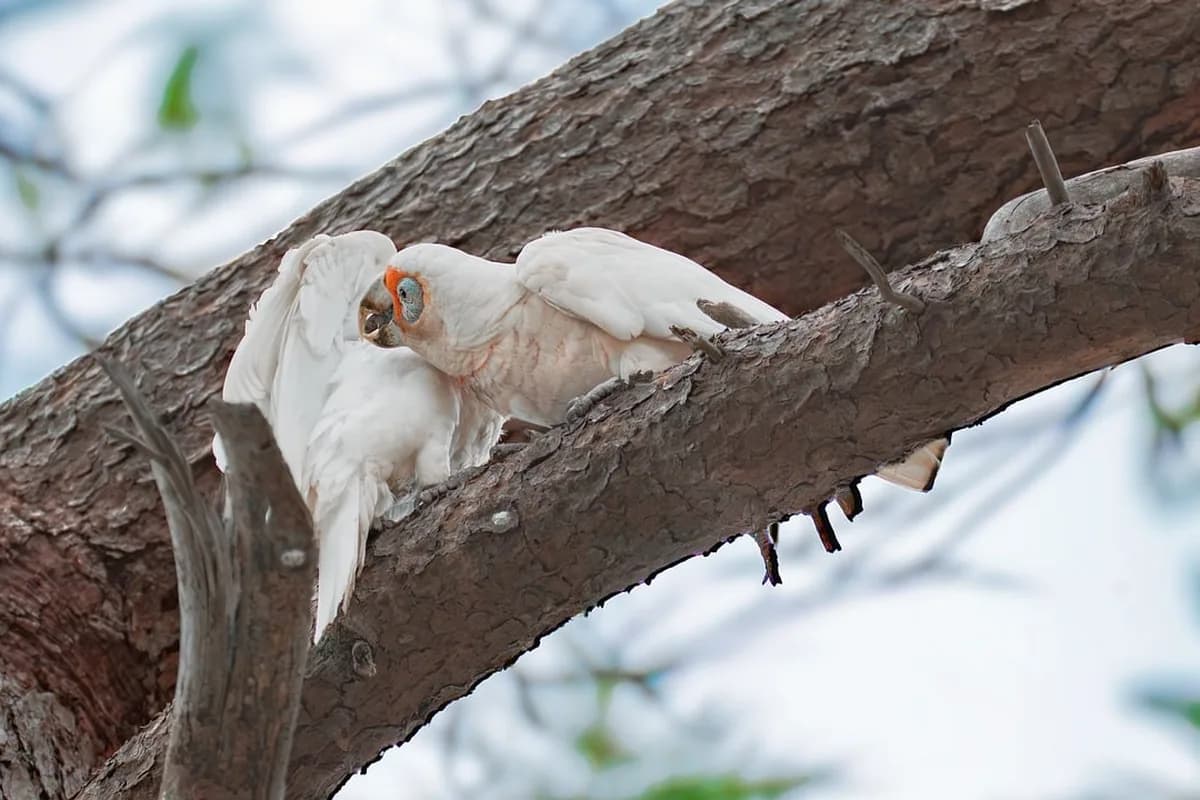
You love your feathered friend so much that you're wondering: wouldn't two birds be twice the joy? While multiple parrots can absolutely thrive together, creating a harmonious multi-bird household requires careful planning, patience, and realistic expectations. At BST, we regularly board multiple birds from the same families, and we've seen both beautiful friendships and challenging dynamics unfold.
Here's the thing — adding a second bird isn't just doubling your flock; it's creating an entirely new social ecosystem in your home. Let's walk through everything you need to know to make it work.
Should You Get a Second Bird? The Honest Pros and Cons
Before you fall in love with that adorable bird at the rescue, let's examine both sides of this decision.
The Pros of Multiple Birds
Companionship for your bird: Parrots are naturally social creatures. A compatible companion can provide social interaction, play opportunities, and comfort when you're not home.
Entertainment value: Two birds often engage in amusing interactions — preening each other, playing games, or having "conversations" that will keep you entertained for hours.
Reduced separation anxiety: Some birds feel less stressed when left alone if they have a feathered friend nearby (though this isn't guaranteed).
Shared experiences: Teaching tricks, training sessions, and playtime can become more dynamic with multiple participants.
The Cons You Need to Consider
Double everything: Two birds mean double the vet bills, food costs, cage space requirements, and time commitment. We see many families underestimate this financial and time investment.
Potential aggression: Not all birds get along. Some become territorial, aggressive, or stressed with another bird present.
Bonding changes: Your currently human-bonded bird might transfer their affection to their new companion, leaving you feeling like a third wheel.
Increased noise: Two birds often encourage each other to be louder and more vocal.
Complex dynamics: Managing relationships between multiple birds, plus their individual relationships with family members, can become quite complicated.
Important: Never get a second bird solely to solve behavioral problems with your first bird. Address existing issues first, as they often become amplified in a multi-bird environment.
The Non-Negotiable: Quarantine Protocol
This is where many well-intentioned bird parents make a costly mistake. Your new bird must be quarantined for a minimum of 30 days — and we recommend 45 days to be extra safe.
Proper Quarantine Setup
Separate rooms: The new bird should be in a completely different room, ideally with separate air circulation. Diseases can spread through air particles.
Different supplies: Use separate food and water dishes, toys, perches, and cleaning supplies. Never share items between birds during quarantine.
Hand hygiene: Always wash your hands thoroughly between handling each bird. Change clothes if possible.
Veterinary clearance: Schedule a comprehensive health check within the first few days. Don't introduce birds until you have a clean bill of health from your avian vet.
Warning: Even birds from reputable breeders or rescues can carry diseases that aren't immediately apparent. Skipping quarantine puts both birds at serious risk.
The Slow Introduction Process
Once quarantine is complete and both birds are healthy, the real work begins. Rushing introductions is one of the biggest mistakes we see.
Phase 1: Visual Introduction (Week 1-2)
Place cages in the same room but far enough apart that the birds can't reach each other through the bars. Watch for body language:
- Positive signs: Curious head tilting, calm vocalizations, eating normally
- Negative signs: Aggressive posturing, feather fluffing, loss of appetite, excessive screaming
Phase 2: Closer Proximity (Week 2-3)
Gradually move cages closer together, watching carefully for stress signals. Some birds need weeks at this stage, others progress more quickly.
Phase 3: Supervised Out-of-Cage Time (Week 3+)
Allow both birds out of their cages simultaneously, but in a neutral territory — not on either bird's cage or preferred perch. Stay close and be ready to intervene.
Phase 4: Shared Activities (Week 4+)
Once they're comfortable in the same space, try shared training sessions or meal times (in separate dishes, several feet apart).
Pro Tip: Let the birds set the pace. Some pairs become best friends within weeks, while others need months to tolerate each other. There's no universal timeline.
Species Compatibility: Size Matters
One of the most important factors in successful bird relationships is size compatibility. We've seen too many tragic accidents when large and small birds interact.
Safe Size Combinations
Similar sizes work best: Cockatiels with cockatiels, conures with conures, or macaws with macaws tend to have the most success.
Slight size differences can work: A cockatiel might do well with a small conure, or a large conure with a small Amazon.
Avoid extreme size differences: Never house or allow unsupervised interaction between large birds (macaws, large cockatoos) and small birds (budgies, cockatiels, lovebirds).
Species-Specific Considerations
Different species have varying temperaments and play styles:
- Cockatoos: Often gentle but can be possessive
- Conures: Playful but sometimes pushy
- African Greys: Intelligent but can be territorial
- Amazons: Strong personalities that may clash
- Cockatiels: Generally peaceful but can be intimidated by larger, more assertive birds
Housing Decisions: Separate vs. Shared Cages
This decision depends entirely on your birds' relationship and personalities.
When to Use Separate Cages
- During introduction periods: Always start with separate cages
- Different sleep schedules: If one bird is an early riser and the other prefers to sleep in
- Resource guarding: If either bird shows possessiveness over food, toys, or space
- Size differences: Birds of significantly different sizes should never share cages
- Breeding prevention: Unless you want baby birds, opposite-sex pairs should have separate sleeping quarters
When Shared Cages Might Work
- Bonded pairs: Birds that actively seek each other's company and show affection
- Similar temperaments: Calm, non-aggressive birds of similar size
- Adequate space: The cage must be large enough for both birds to have their own territories
Important: Even bonded pairs should have the option of separate spaces. Provide multiple food and water stations, and watch for any signs of bullying or resource guarding.
Managing Resource Guarding and Jealousy
Multi-bird households often struggle with competition over resources and attention.
Preventing Resource Competition
Multiple feeding stations: Provide separate food and water dishes, placed far enough apart that both birds can eat comfortably.
Duplicate favorite items: If both birds love the same type of toy or perch, get multiples to reduce competition.
Scheduled individual attention: Each bird needs one-on-one time with their human family members.
Handling Jealousy
Jealousy is real in parrots and can manifest as:
- Aggressive behavior toward the other bird when you're present
- Attention-seeking behaviors like excessive screaming
- Destructive behavior
- Changes in eating or sleeping patterns
Management strategies:
- Maintain individual relationships with each bird
- Don't favor one bird over another
- Provide separate training and play sessions
- Ensure each bird has their own "special" spaces and items
Understanding Bonded Pairs vs. Human-Bonded Birds
When birds bond with each other, your relationship with them will inevitably change.
Signs of Bird-to-Bird Bonding
- Mutual preening and feeding
- Staying close together
- Calling for each other when separated
- Defensive behavior when the other bird is approached
Managing the Relationship Shift
Accept the change: Your bird choosing a feathered companion isn't a rejection of you — it's natural behavior.
Maintain individual connections: Continue one-on-one interactions with each bird separately.
Respect the bond: Don't try to break up a healthy bird pair. Instead, work with their relationship.
When Birds Simply Don't Get Along
Despite your best efforts, some birds will never be compatible. In our experience boarding over 1,000 birds, we've seen that forced relationships rarely work and can cause significant stress.
Signs of Incompatibility
- Persistent aggression: Attacks that don't decrease over time
- Chronic stress: Loss of appetite, feather plucking, or behavioral regression in either bird
- Fear responses: One bird constantly hiding or showing fear behaviors
- Territorial behavior: Extreme possessiveness that doesn't improve with management
Making It Work Despite Incompatibility
Permanent separation: Some birds can coexist in the same household but need separate territories.
Scheduled interactions: Brief, supervised encounters might be the maximum interaction possible.
Focus on individual relationships: Both birds can still have wonderful lives if they each have strong bonds with their human family.
Pro Tip: There's no shame in admitting two birds aren't compatible. Forcing a relationship can be harmful to both birds' mental and physical health.
Final Thoughts
Creating a successful multi-bird household is absolutely possible, but it requires patience, planning, and realistic expectations. At BST, we've cared for many happy multi-bird families, and we've also supported families who decided that one bird was the right choice for their situation.
Remember that every bird is an individual with their own personality, preferences, and needs. Success isn't measured by whether your birds become best friends — it's measured by whether all birds in your household are healthy, content, and thriving. Sometimes that means separate territories, and sometimes it means beautiful friendships. Both outcomes can create a wonderful life for your feathered family members.
The key is staying flexible, observing your birds carefully, and always prioritizing their wellbeing over our human expectations of how we think they should interact.
Explore related topics
Related Articles
Ethical Bird Ownership: Breeder, Rescue, or Pet Store?
Where you get your bird matters — for the bird, for the species, and for the industry. Here's an honest look.
How Parrots Bond with Humans: The Science of the Human-Bird Relationship
The bond between a parrot and their human is real, deep, and scientifically documented. Here's how it works.
Joining the Bird Community: Clubs, Forums, and Resources for Parrot Owners
You don't have to figure out bird ownership alone. Here's where to find your bird-loving community.