Migration and Seasonal Instincts in Pet Parrots: What Owners Should Know
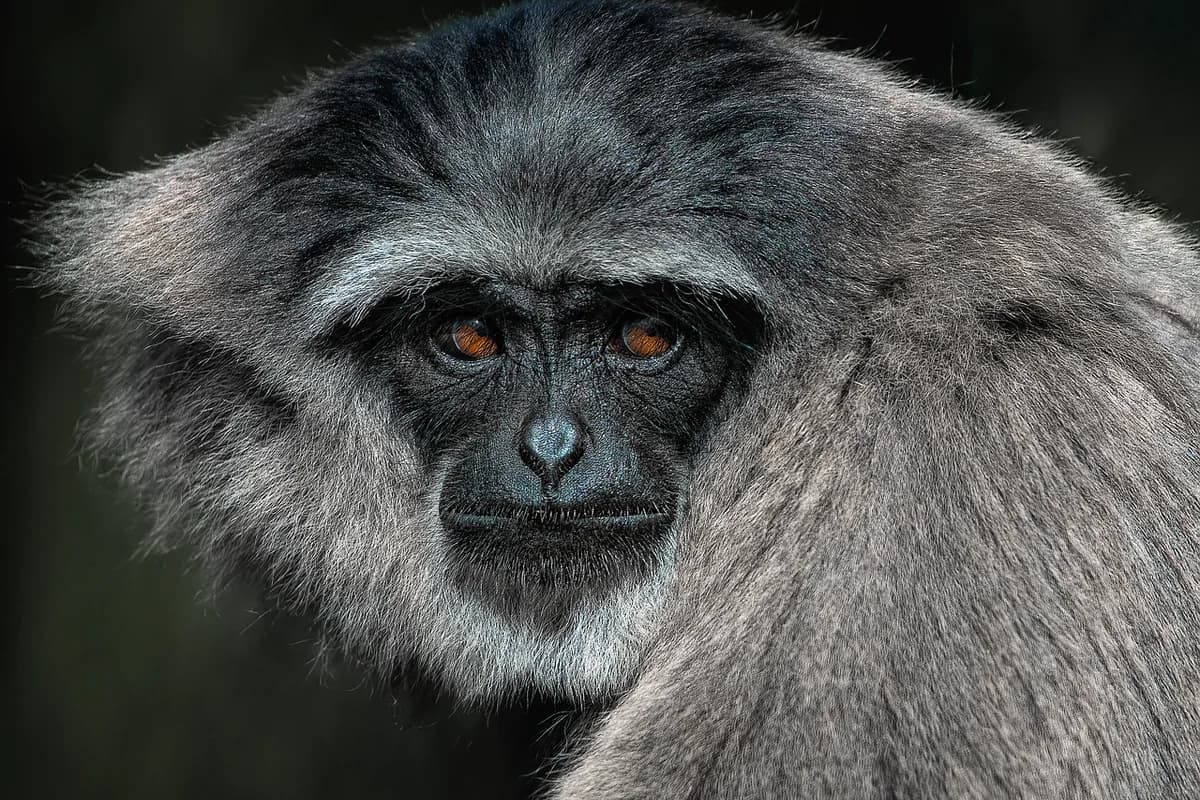
When Your Parrot's Inner Wild Side Awakens
If you've noticed your usually sweet parrot becoming a feathered tornado every spring — biting, screaming, and acting like they've forgotten all their manners — you're not imagining things. Your bird is responding to ancient instincts that millions of years of evolution have hardwired into their DNA.
Even though your parrot lives in a cozy home with consistent temperatures and regular meals, their body still responds to seasonal changes just like their wild cousins. Understanding these natural rhythms can help you navigate what we at Bird Sitting Toronto call "spring madness season" and support your bird's wellbeing year-round.
The Science Behind Seasonal Behavior: It's All About Light
Your parrot's behavior changes aren't random — they're triggered by something called photoperiod sensitivity. This fancy term simply means your bird's body responds to changes in daylight hours throughout the year.
As days get longer in spring, your parrot's brain receives signals through their eyes that trigger hormonal changes. The pineal gland, often called the "third eye," detects these light changes and releases hormones that can dramatically alter behavior, appetite, and energy levels.
Here's what's fascinating: this system is so sensitive that even indoor birds respond to subtle changes in natural light filtering through windows, or changes in your household lighting schedule.
Important: Your parrot doesn't need to see direct sunlight to be affected by seasonal changes. Even artificial lighting can trigger these responses if the timing mimics natural photoperiods.
Spring: The "Problem Behavior" Season
In our experience boarding over 1,000 birds, we see a clear pattern every spring. March through June brings an influx of calls from frustrated owners dealing with birds who seem to have transformed overnight.
Common Spring Behaviors Include:
- Increased aggression — biting family members they normally love
- Territorial behavior — guarding their cage or favorite person aggressively
- Excessive screaming — especially at dawn and dusk
- Hormonal behaviors — regurgitating food, attempting to mate with toys or perches
- Nesting instincts — seeking out dark, enclosed spaces
- Egg-laying in females — even without a mate present
The good news is these behaviors are completely normal and temporary. Your bird isn't becoming mean or forgetting their training — they're simply responding to biological urges that tell them it's time to find a mate and raise babies.
Managing Light Exposure: Your Most Powerful Tool
The most effective way to manage seasonal behaviors is controlling your bird's exposure to light. This doesn't mean keeping them in darkness, but rather establishing a consistent routine that prevents extreme hormonal swings.
The 10-12 Hour Darkness Rule
Your parrot needs 10-12 hours of complete, uninterrupted darkness every night. This isn't just about sleep — it's about hormonal regulation. Here's how to implement this:
Create a Sleep Schedule:
- Choose consistent bedtime and wake-up times
- Use a sleep cage or cover their main cage completely
- Ensure the sleep area is truly dark — no TV light, street lamps, or digital clocks
- Maintain quiet during sleep hours
Gradual Light Changes:
- Avoid sudden increases in daylight exposure
- If using full-spectrum lights, gradually adjust timing rather than making abrupt changes
- Consider blackout curtains to control natural light if needed
Pro Tip: We recommend establishing this routine year-round, not just during problem seasons. Consistency helps prevent dramatic behavioral swings.
Seasonal Diet Adjustments: Fuel for the Journey
Wild parrots experience natural food scarcity and abundance cycles that trigger different behaviors. You can use diet strategically to support your bird through seasonal changes.
Spring and Summer Feeding
During breeding season, reduce high-fat foods that can trigger hormonal behaviors:
- Limit: Seeds, nuts, warm foods, and hand-feeding
- Increase: Fresh vegetables, especially leafy greens
- Maintain: Consistent meal times rather than free-feeding
Fall and Winter Feeding
As daylight decreases, you can gradually reintroduce slightly richer foods:
- Moderate increases in healthy fats like small amounts of nuts
- Seasonal vegetables like squash and root vegetables
- Maintain variety to prevent boredom during longer indoor hours
| Season | Feeding Strategy | Foods to Emphasize | Foods to Limit |
|---|---|---|---|
| Spring/Summer | Lean, cooling diet | Leafy greens, vegetables | Seeds, nuts, warm foods |
| Fall/Winter | Moderate enrichment | Root vegetables, limited nuts | Still limit high-fat seeds |
Understanding Molting Cycles
Most parrots molt once or twice yearly, typically in late summer or fall. This process requires enormous energy and can affect behavior and appetite.
Supporting Your Bird Through Molts:
- Increase protein through cooked legumes and vegetables
- Provide extra bathing opportunities to help with pin feather development
- Expect increased sleep needs — molting is exhausting
- Be patient with mood changes — growing new feathers is uncomfortable
Warning: Never pull pin feathers or try to "help" the molting process. This can be painful and lead to infection.
Vocalization Patterns: The Seasonal Symphony
Your bird's vocal patterns often intensify during breeding season. Dawn and dusk calling — contact calls in the wild — become more frequent and louder.
Managing Seasonal Noise:
- Establish quiet times with consistent routines
- Avoid responding to attention-seeking screams during peak hormonal periods
- Provide enrichment to redirect energy into positive activities
- Consider white noise to muffle outside sounds that trigger calling
The thing is, some increase in vocalization is normal and healthy. Complete silence isn't the goal — appropriate communication is.
Creating Year-Round Stability
While you can't eliminate seasonal instincts entirely (nor should you want to), you can minimize extreme swings through consistent management:
Environmental Consistency:
- Maintain regular sleep/wake schedules
- Keep temperature relatively stable
- Provide consistent social interaction and enrichment
Behavioral Management:
- Avoid reinforcing hormonal behaviors like regurgitation or nesting
- Redirect territorial energy into training and foraging activities
- Maintain boundaries even when your bird is being "extra"
Health Monitoring:
- Watch for signs of chronic egg-laying in females
- Monitor weight changes during seasonal transitions
- Schedule vet checkups during calmer seasons when possible
Final Thoughts
Understanding your parrot's seasonal instincts helps you become a more empathetic and effective caregiver. These behaviors aren't problems to solve but natural patterns to manage thoughtfully.
Remember, every species and individual bird responds differently to seasonal changes. Some birds barely show seasonal effects, while others become dramatically different creatures each spring. The key is observing your specific bird's patterns and adjusting your management accordingly.
At Bird Sitting Toronto, we see how much calmer both birds and owners become once they understand these natural rhythms. Your parrot isn't being difficult — they're being a parrot. With patience, consistency, and the right approach, you can help them navigate their instincts while maintaining the loving relationship you both cherish.
The wild heart still beats in your domesticated companion, and that's something to respect and work with, not against.
Explore related topics
Related Articles
The 20 Biggest Mistakes New Bird Owners Make
We all make mistakes as new bird owners. Here are the 20 most common — and how to avoid them.
Do Parrots Feel Jealousy? Understanding Possessive Behavior
Your parrot lunges at your partner when they sit near you. Is it jealousy? The science says yes — here's what to do.
Fireworks and Loud Noises: Protecting Your Parrot from Sound Stress
Canada Day, New Year's, thunderstorms — loud events can traumatize your bird. Here's how to protect them.