Diet and Nutrition Guide for Lovebird
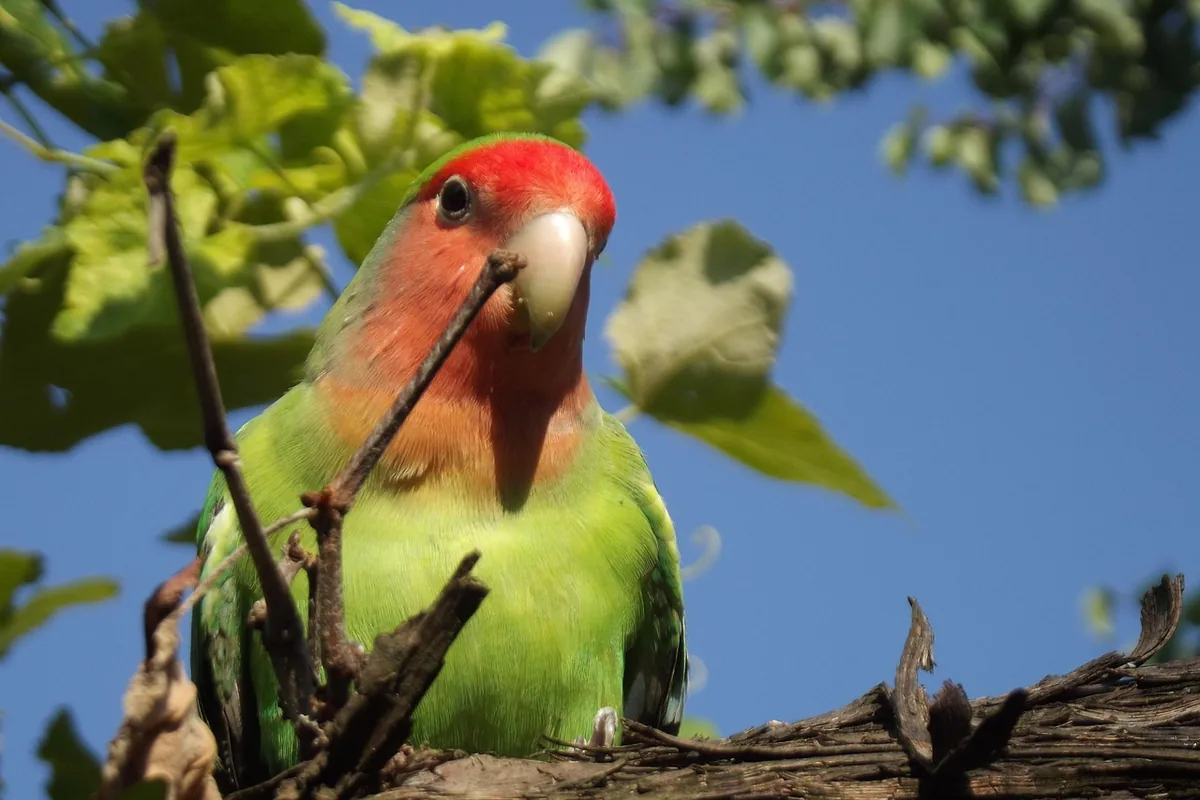
Ask any avian vet what shortens a pet lovebird's life, and diet will be near the top of the list. These birds are small, energetic, and — crucially — genetically wired to love seed. Left to their own devices they will pick the sunflower and millet out of any mix and ignore everything else, which sets up obesity, fatty liver disease (hepatic lipidosis), and nutrient deficiency. At Bird Sitting Toronto, the most common diet problem we see in boarding lovebirds is a bird arriving on an all-seed bowl. This guide shows you how to feed a lovebird for the full 10 to 20 years it can live.
What a Lovebird Actually Needs
In the wild, Agapornis species eat grasses, seeds, grains, berries, and greens, foraging widely and burning calories doing it. A caged lovebird eats a richer diet and flies far less — so a seed-heavy bowl delivers far more fat than the bird can use. The goal is a balanced, formulated base plus fresh variety, keeping this 40 to 60 g bird lean and its liver healthy.
The Pellet House Standard for Lovebirds
A quality pellet is nutritionally complete and, unlike a seed mix, a bird cannot pick the "candy" out of it. Following avian veterinary consensus and manufacturers like Harrison's, Roudybush, TOP's, and Lafeber, the target for a lovebird is:
| Food group | Share of diet | Examples |
|---|---|---|
| Formulated pellets | 75-80% | Harrison's, Roudybush, TOP's, Lafeber (choose a small/mini pellet size) |
| Fresh vegetables & leafy greens | 15-20% | Kale, broccoli, bell pepper, carrot, sweet potato, dandelion greens |
| Sprouted seeds & fruit | ~5-10% | Sprouted mung/lentil, small amounts of berries, apple, mango |
| Dry seeds & nuts | ~5% (treats only) | Millet, a few sunflower/safflower seeds for training |
Tip: Sprouting transforms seed. A sprouted seed has burned off much of its stored fat and become a living vegetable rich in enzymes and protein. Sprouts let you satisfy a lovebird's seed-loving instinct without the fat load of dry seed — a genuinely useful trick for this obesity-prone species.
Safe Foods to Offer
Vegetables (feed generously): kale, broccoli, bell peppers, carrot and carrot tops, sweet potato (cooked), zucchini, green beans, peas, dandelion greens, bok choy, romaine, cilantro. Dark leafy greens and orange veg supply the vitamin A that seed diets lack.
Fruits (smaller amounts — sugar adds up on a small bird): apple (no seeds), blueberries, mango, papaya, banana, melon, seedless grapes, pomegranate.
Whole grains & legumes (cooked): brown rice, quinoa, whole-grain pasta, well-cooked lentils and chickpeas.
Extras: a small amount of cooked egg for protein; a mineral block or cuttlebone for calcium, which matters especially for hens.
Toxic Foods — Never Feed These
Some human foods are dangerous or fatal to a bird this size. Learn them cold:
- Avocado — contains persin, which can cause heart failure and sudden death in birds.
- Chocolate — theobromine and caffeine cause vomiting, seizures, and cardiac arrest.
- Caffeine — coffee, tea, energy drinks; overstimulates the heart.
- Alcohol — depresses the nervous system; even a taste can be fatal at 45 grams.
- Onion and garlic — damage red blood cells and cause anemia.
- Fruit pits and apple seeds — cherry, peach, apricot pits and apple seeds are cyanogenic (release cyanide). Always core and pit fruit.
- Salt and salty snacks — a tiny bird's kidneys cannot handle chips or crackers.
- Uncooked (dried) beans — contain hemagglutinin, a toxin destroyed only by thorough cooking.
- Mushrooms — several varieties are toxic and the stems can cause digestive upset.
Warning: Because a lovebird weighs so little, a dose that a person would shrug off can be lethal. Never let a lovebird share your plate, and never leave alcohol, coffee, or chocolate within a curious bird's reach.
Meal Prep and "Chop"
The easiest way to feed fresh well is chop: finely dice or pulse a big batch of safe vegetables, mix in some cooked grain, portion it into small containers, and refrigerate or freeze. Each morning you serve a spoonful — no daily chopping, and the fine texture stops a picky lovebird from flinging the greens and eating only the grain.
- Serve fresh food in the morning, when appetite is highest.
- Remove fresh food after 2 to 3 hours (sooner in warm weather) — it spoils fast and can grow bacteria.
- Wash produce well; buy organic where you can, since a bird eats concentrated amounts relative to its size.
Transitioning Off a Seed Diet
Lovebirds are notoriously stubborn converters, and they will not starve themselves onto pellets in a day. Go gradually and never withhold food to force the switch.
- Introduce pellets in a separate dish next to the usual seed so the new food feels safe.
- Serve chop every morning, experimenting with texture — chopped, shredded, warmed — until you find what tempts your bird.
- Slowly reduce the seed portion over 4 to 8 weeks (or longer) while pellets and fresh food take over.
- Weigh weekly on a gram scale. A stable weight in the 40 to 60 g range means the bird is eating; a sudden drop means slow down and offer more familiar food.
- Be patient — for some lovebirds the conversion takes months. Model eating by "sharing" pellets, and try mixing crushed pellet into a favorite mash.
Hydration and Supplements
Fresh, clean water must be available at all times; change it at least twice daily, and more often if your bird bathes in it. In a well-fed bird on pellets and varied vegetables, most vitamin supplements are unnecessary and can even cause harm through over-supplementation — feed the diet, not the supplement bottle. The one common exception is calcium for laying hens, which is best supplied through cuttlebone, a mineral block, and vet guidance rather than guesswork. Toronto's dry, heated indoor winter air can leave birds a little dehydrated, so watch water intake and offer regular bathing opportunities in the colder months.
Explore related topics
Related Articles
Can Parrots Eat Human Food? A Complete Guide to Sharing Meals
Your parrot wants to eat off your plate. Which human foods are safe to share and which are dangerous?
The Complete Guide to Parrot Pellets: Brands, Conversion, and Myths
Pellets should be 50-70% of your parrot's diet, but not all pellets are equal. Here's everything you need to know.
Cooking for Your Parrot: 15 Recipes and Meal Ideas They'll Love
Variety is the spice of your parrot's diet. These easy recipes make feeding time exciting and nutritious.