Kitchen Safety for Parrots
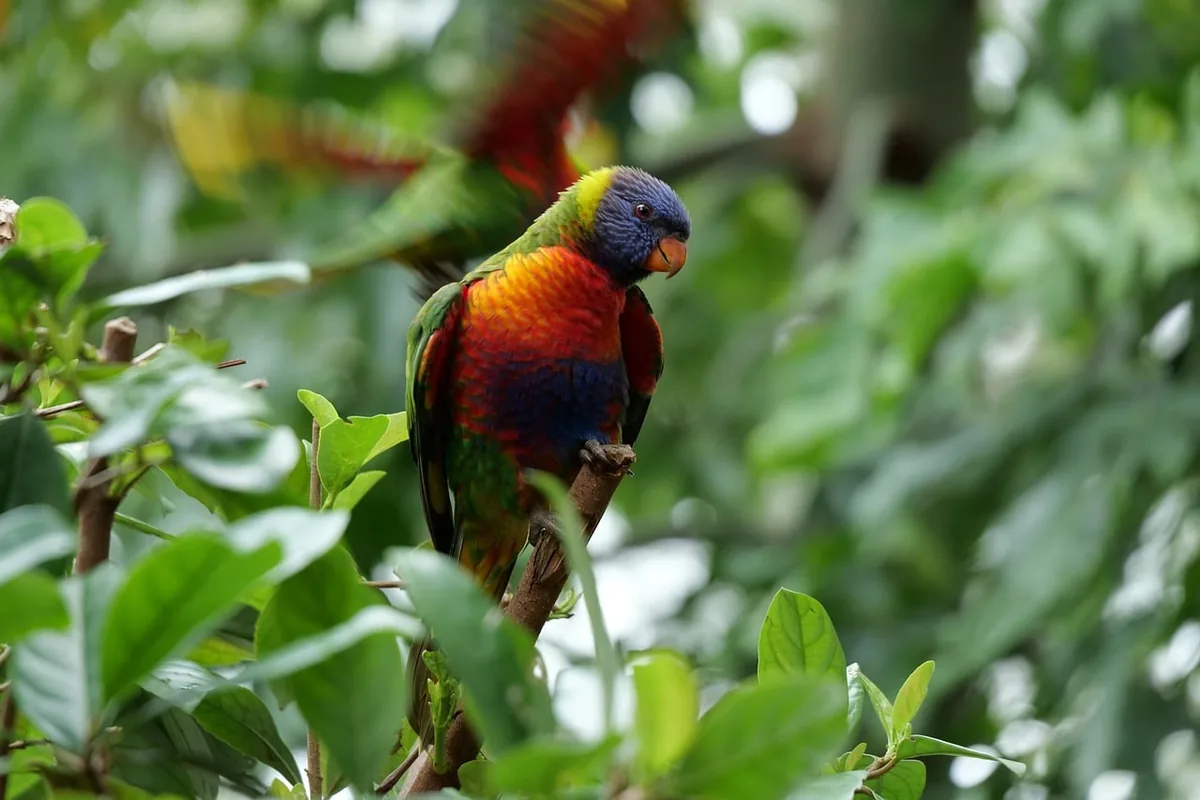
If there is one room where a moment of inattention can cost a bird its life, it is the kitchen. Parrots are intensely social, and they will always want to be where you are, which for most families means the kitchen at dinnertime. The trouble is that the very things that make a kitchen work, heat, non-stick coatings, cleaning chemicals, and rich human food, are the things a bird's body is least equipped to survive. At Bird Sitting Toronto, where we board hundreds of birds every year, kitchen accidents are among the most preventable emergencies we hear about, and almost all of them come down to one lapse in an otherwise loving home. This guide walks you through the real hazards and gives you a routine that lets your bird stay part of the flock without the risk.
Why the Kitchen Is Uniquely Dangerous for Birds
Birds are not small dogs. Their respiratory system is the most efficient and the most vulnerable of any pet in your home. Air flows through a bird's lungs in one direction through a network of nine air sacs, so instead of the tidal in-and-out of a mammal's breathing, a parrot moves a near-continuous stream of fresh air, and any airborne toxin it carries, across delicate gas-exchange tissue. Pair that with a tiny body mass and a metabolism that runs far hotter than ours, and you have an animal that can be overwhelmed by fumes far too dilute to bother you.
The old "canary in the coal mine" was not a metaphor. Miners carried birds precisely because a canary collapses from carbon monoxide and other airborne poisons long before a human notices anything is wrong. That same sensitivity is why the kitchen demands more caution for a bird than any other room in the house, and why the hazards below deserve to be treated as genuine emergencies-in-waiting rather than managed casually.
The Number-One Killer: Non-Stick (PTFE) Fumes
The most notorious kitchen hazard is polytetrafluoroethylene (PTFE), the coating sold under brand names like Teflon and found on the vast majority of non-stick pans. When PTFE is overheated, roughly above 260 C (500 F), it begins to break down and release invisible, odourless fumes that are acutely toxic to birds. The Association of Avian Veterinarians and the Merck Veterinary Manual both document that PTFE inhalation can trigger sudden respiratory distress and death, often within minutes and frequently with no warning signs beforehand. A pan left preheating dry on a burner can cross that threshold in only a few minutes, well before it looks hot enough to worry about.
The danger is not limited to frying pans. Non-stick and PTFE coatings hide in far more of the modern home than most owners realize.
Warning: Hidden sources of PTFE and non-stick fumes include self-cleaning ovens (which run at extreme temperatures on purpose), air fryers, non-stick bakeware and waffle irons, drip pans, some space heaters, irons, and even hair dryers. Never run a self-cleaning oven cycle or an air fryer in a home with birds unless every bird is safely away in a separate, well-ventilated room, ideally out of the house entirely.
The safest approach is to remove the risk rather than manage it. The table below shows simple swaps that take PTFE out of your bird's airspace for good.
| Retire this | Replace with | Why it is safer |
|---|---|---|
| Non-stick (PTFE) pans and bakeware | Stainless steel, cast iron, enamelled cast iron | No coating to overheat and off-gas |
| Non-stick air fryer or waffle iron | Convection oven, ceramic-coated bakeware used at moderate heat | Removes a high-heat off-gassing source |
| Self-cleaning oven cycle | Manual scrub with bird-safe cleaners | Avoids extreme-temperature fume release |
| Non-stick drip pans and stovetop liners | Bare metal or foil liners | No hidden coating under the burners |
If you must keep a non-stick item, never leave it heating unattended and never let a pan run dry, since an empty pan heats fastest of all.
Toxic Foods to Keep Away From Your Bird
Sharing a bite of your meal feels like affection, but several everyday foods are genuinely poisonous to parrots. The table below covers the most important offenders and the mechanism behind each, so you can recognize related risks on your own.
| Food | Why it is dangerous |
|---|---|
| Avocado | Contains persin, which can cause heart failure and sudden death in birds |
| Chocolate | Theobromine (and caffeine) are toxic to the avian heart and nervous system |
| Coffee, tea, energy drinks | Caffeine causes cardiac arrhythmias and dangerous hyperactivity |
| Alcohol | Even small amounts damage the liver and can be rapidly fatal |
| Onion and garlic | Cause oxidative damage to red blood cells, leading to anemia |
| Fruit pits and apple seeds | Contain cyanogenic compounds that release cyanide |
| Salt and salty snacks | A tiny body cannot process excess sodium; causes dehydration and electrolyte imbalance |
| Uncooked or dried beans | Contain toxins destroyed only by thorough cooking |
| Mushrooms | Some varieties cause digestive upset and liver damage |
Tip: A safe parrot diet is built on quality pellets at roughly 75 to 80 percent of daily intake, with vegetables and a smaller amount of fruit making up 20 to 25 percent, and seeds and nuts reserved as about 5 percent treats. When you want to share from the kitchen, offer a piece of bird-safe vegetable, a slice of leafy greens, or a bit of cooked whole grain rather than anything off your dinner plate. Hookbill parrots do not need grit; unlike seed-eating passerines they shell their food, and loose grit can cause dangerous crop impaction.
Heat, Water, and Chemical Hazards
Beyond fumes and food, the kitchen is full of physical dangers for a curious, flighted bird.
- Hot surfaces and open flames. Burners, ovens, toasters, and kettles cause severe burns to feet and wings. A bird can land on a burner that looks off but is still cooling for many minutes after use.
- Pots of hot liquid. A flighted bird can drop straight into a pot of boiling water, soup, or hot oil. Uncovered liquids are both a scalding and a drowning risk, so lid your pots and cover the sink.
- Cleaning products and aerosols. Oven cleaners, bleach, ammonia, disinfectant sprays, and scented aerosols release fumes that irritate or damage a bird's airways. Ventilate well, and never mix cleaners near your bird.
- Sharp objects. Knives, graters, and broken glass cause serious wounds. Store them out of reach and clean up any breakage immediately.
- Lead and zinc. Old solder, some costume jewelry, galvanized hardware, and certain fixtures contain heavy metals that cause chronic poisoning if a bird chews them. Keep metal odds and ends off any surface your bird can reach.
A Simple Cook-Time Routine
You do not have to choose between cooking and including your bird in family life. A predictable routine keeps everyone safe.
- Before you turn on any heat, move your bird to its cage or a play stand in another room with the door closed, or at minimum to a spot with good airflow well away from the stove.
- Turn on the range hood, and open a window for cross-ventilation whenever you cook, especially with any non-stick item.
- Never leave a heating pan, air fryer, or self-cleaning oven running unattended.
- Clean up food scraps, standing water, and sharp tools before you bring your bird back out.
- Once the kitchen has cleared and cooled, welcome your bird back for the social part of the evening.
Recognizing an Emergency
If your bird is exposed to fumes or a toxin, act immediately, because avian emergencies move fast and a bird that hides illness by instinct may already be in serious trouble by the time it shows symptoms.
| Warning sign | What it can indicate |
|---|---|
| Laboured or open-mouthed breathing, tail bobbing with each breath | Acute respiratory distress, possible fume toxicity |
| Wheezing, clicking, or gurgling sounds | Airway irritation or fluid |
| Sudden weakness or falling off the perch | Systemic poisoning |
| Fluffed, unresponsive posture | Advanced illness or shock |
| Convulsions or loss of balance | Neurological toxicity, a critical emergency |
Warning: If you suspect PTFE fume exposure, get your bird into fresh air at once, open windows, and move it out of the affected room before anything else. Then call an avian veterinarian or emergency clinic without delay. In the Greater Toronto Area, identify your nearest avian or exotics-capable emergency hospital before you ever need it, and keep the number on your fridge. Fume toxicity can be fatal within minutes, so do not wait to see whether symptoms pass on their own.
The Bottom Line
The kitchen will always be the heart of the home, and your bird will always want to be near you in it. The goal is not to banish your parrot from family life but to keep it out of harm's way while the stove is on. Switch to bird-safe cookware, learn the toxic foods by heart, ventilate every time you cook, and build the habit of settling your bird safely away before the heat goes on. A few small, repeatable routines protect one of the most curious and trusting members of your household from the room that can hurt it most.
Explore related topics
Related Articles
Bird-Proofing Your Home: A Room-by-Room Safety Guide
Your home is full of hidden dangers for birds. This room-by-room guide helps you create a truly safe environment.
Bird-Safe Houseplants: A Complete List for Bird Owners
Love plants and birds? Here's your definitive guide to which houseplants are safe and which can kill your parrot.
Emergency Evacuation Plan for Bird Owners: Be Prepared for Anything
Fire, flood, power outage — do you have an evacuation plan for your bird? Most owners don't. Here's how to create one.