Juicing for Parrots: A Natural Nutrient Boost
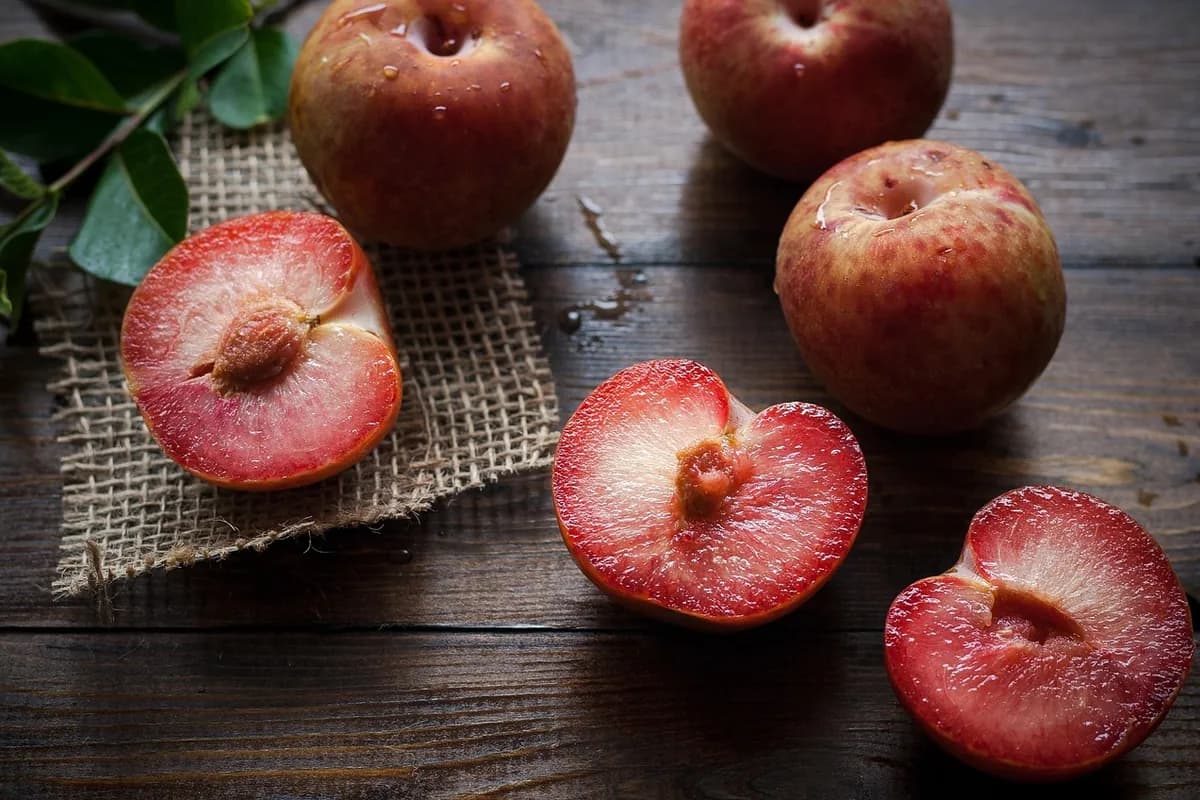
Fresh fruit and vegetable juices are among the richest, most concentrated sources of vitamins, minerals, and plant compounds you can offer a parrot. A few ounces of carrot-and-greens juice packs the goodness of a much larger pile of raw vegetables into a form most birds happily lap up. At Bird Sitting Toronto, where we board hundreds of birds every year, we see how much a little variety lifts a bird's appetite and mood—and juice is one of the simplest ways to add it.
Think of juice as a supplement, not a meal. It is a way to enrich a well-built diet, not to replace one.
Where Juice Fits in the Diet
A balanced parrot diet is built on a foundation of pellets—roughly 75 to 80 percent of daily intake for most hookbills—with about 20 to 25 percent fresh vegetable-forward foods and only about 5 percent seeds and nuts as treats. Juice belongs in that fresh-foods slice. It rounds out a complete diet; it does not stand in for the pellets that guarantee consistent baseline nutrition.
Why bother juicing at all when whole vegetables do the job? Two reasons. First, juice is easy to absorb and easy to serve—useful for picky eaters, for birds recovering from illness, and for sneaking greens past a bird that flings whole kale across the room. Second, modern produce is often stored and shipped for weeks before it reaches your kitchen, and freshly juiced, raw produce delivers those nutrients at their peak.
Tip: Juicing removes most of the fiber, which is the part that fills a bird up. That makes juice a nutrient concentrate rather than a filling food—offer small amounts alongside the whole vegetables, pellets, and greens your bird still needs to chew.
Juice vs. Bottled Supplements
One of juicing's quiet advantages is safety. Fat-soluble vitamins—especially vitamin A and vitamin D3—can build up to toxic levels when powdered or liquid supplements are added on top of an already-fortified pelleted diet. Avian veterinary consensus, echoed by the Merck Veterinary Manual, is that most birds on a quality pellet base do not need extra vitamin supplements, and that over-supplementation can do real harm. Whole-food juice delivers nutrients in their natural proportions, which makes an accidental overdose far less likely than it is with a scoop of concentrate.
Getting Started
A simple centrifugal juicer or a blender with a fine strainer is all you need. Before you juice:
- Choose high-quality, ideally organic, produce.
- Wash everything thoroughly.
- Remove all pits and apple seeds—stone-fruit pits and apple seeds are cyanogenic and toxic.
- Peel avocado-free tropical fruits and any thick or waxed skins.
- Never juice avocado, onion, garlic, rhubarb leaves, or other known toxins.
Warning: Avocado (persin), chocolate (theobromine), caffeine, alcohol, onion and garlic, fruit pits and apple seeds, and rhubarb leaves are all toxic to birds. Keep them out of the juicer entirely—no exceptions.
A good beginner blend: 4 to 5 carrots, half a seedless apple, and a small knob of ginger. Carrots are a near-universal favorite—naturally sweet and loaded with beta-carotene, the plant precursor the body converts to vitamin A. That matters because hypovitaminosis A (vitamin A deficiency) is one of the most common nutritional problems seen in pet parrots, particularly seed-heavy birds, a point Lafeber and the AAV both stress. Apple adds sweetness that makes the greens go down easily.
Serving and Storing
- Offer a small portion in a clean cup, or soak dry foods—pellets, bird bread, or chop—in the juice so it doubles as a mash.
- Juice oxidizes fast. Serve it fresh, refrigerate leftovers in an airtight glass container, and use within a day or two.
- Freeze extra in ice-cube trays for single-serving portions.
- Compost the pulp, or bake it into birdie bread so nothing goes to waste.
Produce to Reach For, by Nutritional Goal
Different fruits and vegetables lean toward different strengths. These are supportive, nutritional roles—not medical treatments—but they make a handy guide when you are deciding what to toss in the juicer.
| Nutritional focus | Produce to feature |
|---|---|
| Calcium support | Kale, mustard greens, turnip and beet tops, cabbage, kohlrabi, carrots |
| Immune and stress support | Broccoli and kale, carrot and collard greens, red pepper and parsley (vitamin C) |
| Vitamin A / vision | Carrots, sweet potato, red pepper, passion fruit (seeded and peeled) |
| Antioxidant variety | Blueberry, currant, beet, pineapple (bromelain) |
| Antioxidant greens (use sparingly) | Spinach, parsley, beets |
Tip: Introduce juice gradually. Offer a teaspoon at first and watch the droppings. A temporary color change from beets, carrots, or berries is normal, but persistently loose droppings mean you have offered too much, too soon.
Juice with Care
Juice is a wonderful addition, but a few guardrails keep it in the "healthy treat" lane:
- Go easy on spinach, parsley, and beets. They are nutrient-dense but rich in oxalates and pigments that are best in small amounts.
- Limit high-sugar fruit juices, especially for weight-prone birds like Amazons and for any bird fighting an infection.
- Skip juice fads marketed as cures. Juice supports good nutrition; it does not replace veterinary care.
Warning: A sudden change in appetite, weight, droppings, or energy is a reason to call an avian vet—not a reason to reach for a new juice recipe. Birds hide illness until they are seriously unwell, so treat any change as urgent.
A Habit You Can Share
The best part of juicing for your parrot is that it scales to the whole household—make a batch, pour some for yourself, and set aside a small cup for your bird. Kept in its proper place as a fresh-food supplement on top of a solid pellet diet, juice can mean shinier feathers, brighter eyes, and a bird that comes running when the juicer starts up.
Explore related topics
Related Articles
Can Parrots Eat Human Food? A Complete Guide to Sharing Meals
Your parrot wants to eat off your plate. Which human foods are safe to share and which are dangerous?
The Complete Guide to Parrot Pellets: Brands, Conversion, and Myths
Pellets should be 50-70% of your parrot's diet, but not all pellets are equal. Here's everything you need to know.
Cooking for Your Parrot: 15 Recipes and Meal Ideas They'll Love
Variety is the spice of your parrot's diet. These easy recipes make feeding time exciting and nutritious.