Introducing a New Bird to Your Home: The Complete Transition Guide
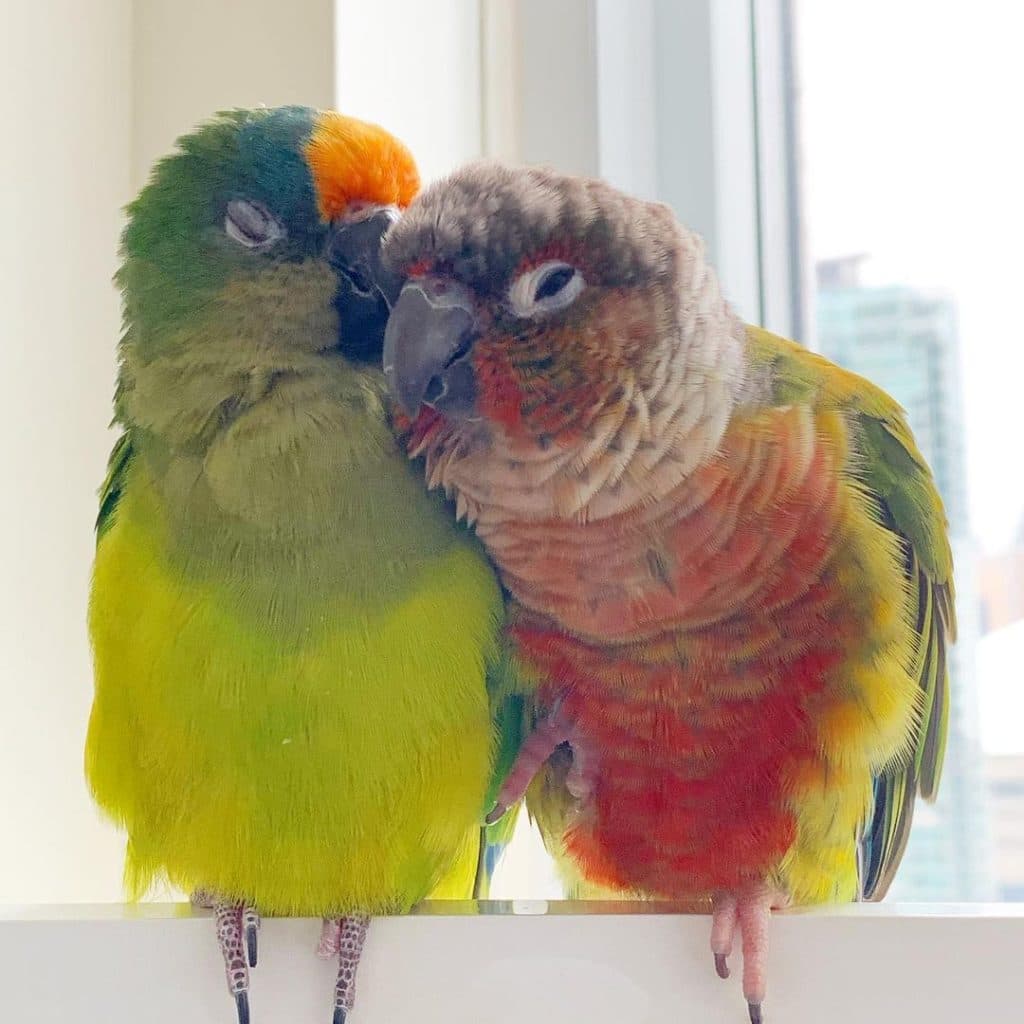
Your New Feathered Family Member Deserves the Perfect Welcome
Bringing a new bird home is one of the most exciting moments for any bird parent. After weeks of research, preparation, and anticipation, you're finally ready to welcome your feathered friend into their forever home. But here's the thing — how you handle those first few weeks will set the foundation for your entire relationship with your bird.
In our experience boarding over 1,000 birds at BST, we've seen the difference that a thoughtful, patient introduction makes. Birds who are given proper time to adjust become confident, trusting companions. Those rushed into new situations often develop behavioral issues that can take months to resolve.
Let's walk through exactly how to give your new bird the best possible start in your home.
The Non-Negotiable 30-Day Quarantine Period
Before we dive into the fun stuff like bonding and introductions, we need to talk about quarantine. This isn't optional, and it's not just a suggestion — it's essential for the health of your new bird and any existing pets.
Why Quarantine Matters
Birds are masters at hiding illness. In the wild, showing weakness makes them vulnerable to predators, so they've evolved to appear healthy even when they're not. Your new bird could be carrying viruses, bacteria, or parasites that won't show symptoms for days or even weeks.
Important: Even birds from reputable breeders or stores need quarantine. It's not about trust — it's about biology.
Setting Up Proper Quarantine
Your quarantine setup needs to be in a completely separate airspace from any existing birds. This means:
- Different room with closed doors
- Separate air circulation system if possible
- No shared air ducts or ventilation
- Ideally on a different floor of your home
We see many well-meaning bird parents try to quarantine in the same room with just distance between cages. This doesn't work. Airborne pathogens can travel much farther than you'd expect.
Quarantine Essentials
During these 30 days, your new bird needs:
- Their own food and water dishes (never shared)
- Separate cleaning supplies and tools
- You should wash hands thoroughly between handling any birds
- Change clothes if you've been in close contact with the quarantined bird
The Critical First 24-48 Hours
Those first two days are all about letting your bird decompress. Moving to a new home is incredibly stressful for birds, even when everything goes perfectly.
Creating the Perfect Environment
Set up your bird in a quiet room where they can observe household activity without being overwhelmed. Think of it as their safe observation post. They need to:
- See what's happening in their new world
- Have easy access to food and water
- Feel secure enough to rest and eat
The Hands-Off Approach
I know it's tempting to interact with your new bird immediately, but resist the urge. For the first 48 hours:
- Talk to them softly when you enter the room
- Move slowly and deliberately around their cage
- Don't attempt to handle them
- Let them come to the front of the cage on their own terms
Pro Tip: Many birds won't eat or drink much in their first day due to stress. This is normal, but monitor them closely. If they go more than 24 hours without eating, consult an avian vet.
Building Trust in Week One
After those initial 48 hours, you can begin the trust-building process. This is where patience truly pays off.
Daily Interaction Goals
- Spend time sitting near the cage, reading or working quietly
- Offer treats through the cage bars (let them come to you)
- Talk to your bird regularly in calm, soothing tones
- Begin offering your hand near the cage (outside the bars)
Reading Your Bird's Body Language
Watch for positive signs like:
- Moving toward you when you approach
- Taking treats from your hand
- Relaxed posture with fluffed feathers
- Vocalizing or mimicking sounds
Warning signs that you're moving too fast:
- Cowering in the corner
- Aggressive lunging or biting
- Excessive panting or stress behaviors
- Refusing food or treats
Week-by-Week Timeline for New Bird Integration
Week 1: Quarantine and Initial Settling
- Days 1-2: Minimal interaction, observation only
- Days 3-7: Begin trust-building through the cage bars
- Goal: Bird feels safe and begins eating normally
Week 2: Expanding Comfort Zone
- Continue quarantine protocols
- Increase interaction time
- Begin target training if bird is receptive
- Goal: Bird approaches cage front when you enter room
Week 3: Building Confidence
- Maintain quarantine
- Introduce new toys gradually
- Work on step-up training through cage bars
- Goal: Bird shows curiosity about surroundings and new items
Week 4: Preparing for Integration
- Complete quarantine period with vet check
- If cleared, begin visual introductions to other pets
- Goal: Healthy bird ready for next phase
Week 5 and Beyond: Gradual Integration
- Begin supervised out-of-cage time
- Introduce to other birds (if applicable) very gradually
- Expand territory slowly
- Goal: Confident bird integrated into household routine
Introducing Your New Bird to Existing Birds
If you already have feathered family members, introductions require extra care and patience.
Visual Introduction Phase
Start with cages in the same room but well separated — at least 6 feet apart. Let them see and hear each other for several days before moving closer.
Neutral Territory Meetings
When both birds seem comfortable with visual contact:
- Choose a room neither bird considers "theirs"
- Have both birds out of their cages simultaneously
- Supervise every second
- Keep initial meetings short (5-10 minutes)
Signs of Successful Integration
- Calm body language from both birds
- Curiosity rather than aggression
- Eating and playing normally after meetings
Warning: Never leave newly introduced birds unsupervised, even if they seem to get along. It can take months to establish a true friendship, and fights can happen suddenly.
Introducing Birds to Other Pets
Dogs and Cats: Safety First
The predator-prey relationship between birds and mammals is real and instinctual. Even the gentlest dog or cat can harm a bird accidentally.
Safety protocols:
- Never leave birds unsupervised with dogs or cats
- Train your dog to "leave it" around the bird
- Keep cats out of the bird room entirely during initial weeks
- Use baby gates to create safe boundaries
Gradual Exposure
- Start with your other pets simply being aware the bird exists
- Let them see the caged bird from a distance
- Reward calm, non-reactive behavior
- Gradually decrease distance over weeks, not days
Common Mistakes That Set Birds Back
Rushing the Process
The biggest mistake we see is trying to fast-track bonding. Birds operate on their own timeline, and pushing too hard often results in fear-based behaviors that take months to overcome.
Too Much Stimulation Too Soon
New bird parents often want to show their bird everything immediately:
- Multiple family members handling the bird
- Loud music or TV
- Frequent visitors
- Moving the cage around to different rooms
Instead, keep things calm and predictable for the first few weeks.
Expecting Immediate Bonding
Social media is full of videos showing birds immediately cuddling with their new owners. This isn't typical. Most birds need weeks or months to form strong bonds.
Inconsistent Routines
Birds thrive on routine. Feeding times, interaction periods, and sleep schedules should be consistent from day one.
Final Thoughts
Introducing a new bird to your home is a marathon, not a sprint. The time you invest in doing this properly will pay dividends for years to come. A bird who feels secure and trusted from the beginning will be more confident, more social, and ultimately happier.
Remember, every bird is different. Some may warm up quickly, while others need months to fully settle in. The key is reading your individual bird's signals and adjusting your approach accordingly.
The good news is that most birds, given time and patience, will reward your efforts with years of companionship, entertainment, and love. Trust the process, celebrate small victories, and enjoy watching your new feathered friend blossom into a confident member of your family.
Explore related topics
Related Articles
Ethical Bird Ownership: Breeder, Rescue, or Pet Store?
Where you get your bird matters — for the bird, for the species, and for the industry. Here's an honest look.
How Parrots Bond with Humans: The Science of the Human-Bird Relationship
The bond between a parrot and their human is real, deep, and scientifically documented. Here's how it works.
Joining the Bird Community: Clubs, Forums, and Resources for Parrot Owners
You don't have to figure out bird ownership alone. Here's where to find your bird-loving community.