Indian Ringneck Diet and Nutrition: The Complete Feeding Guide
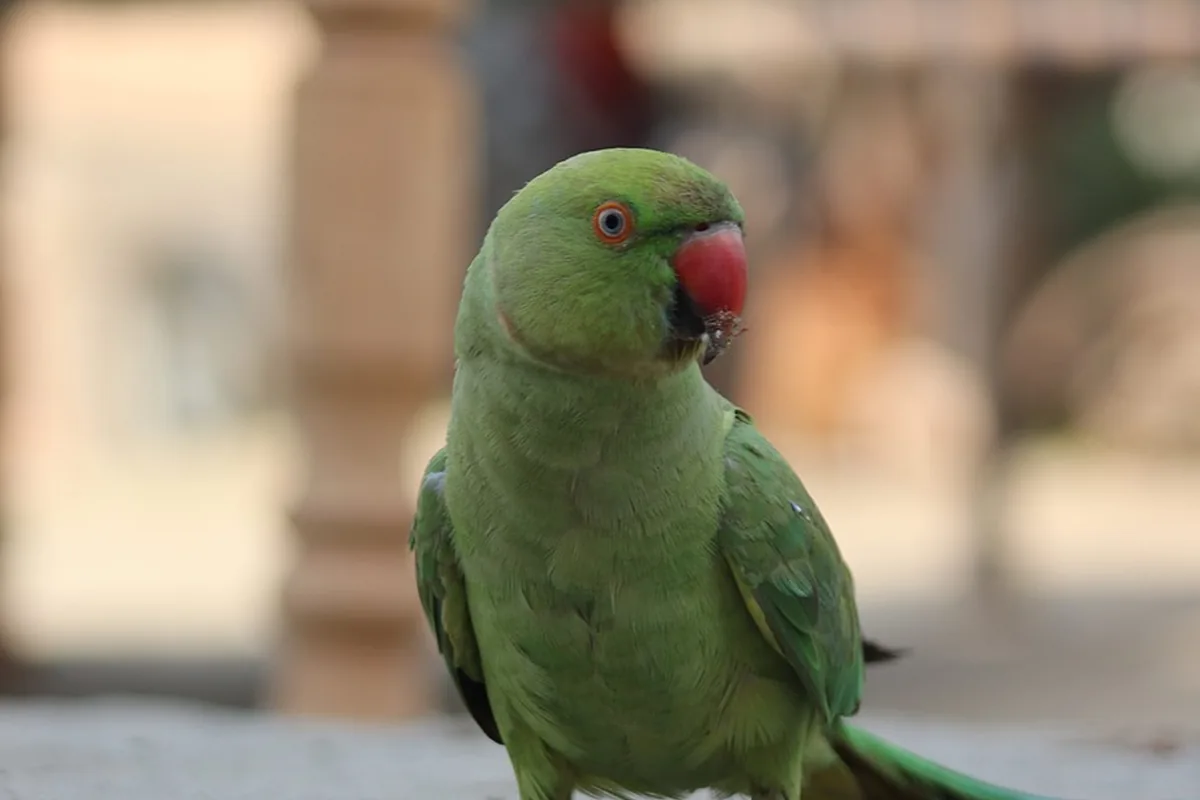
Diet is where a lot of Indian Ringnecks quietly go wrong. In the wild, Psittacula krameri forages across farmland and forest edge for a shifting menu of seeds, fruit, buds, blossoms, and grain. In a living room, that same bird is often handed a bowl of dried seed and left to eat the fatty bits. Ringnecks are strongly prone to obesity and fatty liver disease, so getting the diet right is one of the highest-impact things you can do for your bird's 25–30 year lifespan.
What an Indian Ringneck Actually Needs
Ringnecks do well on a formulated, pellet-based diet built around fresh vegetables and sprouted seed. The goal is nutritional consistency (which pellets provide) plus the variety, moisture, and foraging interest of fresh food — without the fat overload of an all-seed bowl.
The Pellet House Standard for Ringnecks
Follow the same foundation we use for most parrots.
| Food group | Share of diet | Examples |
|---|---|---|
| Formulated pellets | 75–80% | Harrison's, Roudybush, TOP's, Lafeber |
| Fresh vegetables & sprouts | 20–25% | Leafy greens, squash, sprouted mung/lentil, peppers |
| Fresh fruit | small part of the above | Berries, apple (no seeds), papaya — as flavor, not filler |
| Seeds & nuts | ~5%, treats only | A few seeds or a nut sliver as a training reward |
Tip: Sprouted (soaked-and-germinated) seed is the best of both worlds for a ringneck — it delivers the interest of seed with far less fat and far more usable nutrition. Rinse well, sprout only until a small tail appears, refrigerate, and discard anything that smells sour or looks slimy.
Note the pellet share: 75–80%, not 60–70%. Ringnecks are among the birds most likely to develop fatty liver on a seed-heavy plate, so keep straight seed to occasional treats.
Safe Foods
Vegetables (feed generously): broccoli, kale, collard and dandelion greens, bok choy, carrot and carrot tops, sweet potato (cooked), butternut and other squash, bell peppers (including the seeds), green beans, peas, zucchini, cilantro, parsley. Dark leafy greens and orange vegetables are especially valuable sources of natural vitamin A precursors.
Fruits (smaller amounts — they are sugary): blueberries, raspberries, apple (seeds removed), mango, papaya, pomegranate, banana, melon (seeds removed), seedless grapes.
Cooked grains and legumes: cooked quinoa, brown rice, whole-grain pasta, oats, well-cooked lentils and chickpeas, and a small amount of scrambled or hard-cooked egg for occasional protein.
Foraging extras: millet spray in strict moderation, unsalted almond or walnut slivers as high-value rewards, and safe blossoms like hibiscus or dandelion.
Toxic Foods — Never Feed These
Some of these are common kitchen items, so learn them cold.
- Avocado — contains persin, which can cause heart failure and death in birds. Never, in any amount.
- Chocolate — theobromine (and caffeine) are toxic to birds, affecting the heart and nervous system.
- Caffeine — coffee, tea, cola, energy drinks; stimulant toxicity, cardiac risk.
- Alcohol — depresses the nervous system; even small amounts can be fatal.
- Onion and garlic — cause oxidative damage to red blood cells (anemia); cumulative and dangerous.
- Fruit pits and apple seeds — cherry, apricot, peach, plum pits and apple seeds are cyanogenic (release cyanide). Remove all pits and seeds before serving.
- Salt and salty snacks — birds are tiny; a chip's worth of sodium is a large dose and stresses the kidneys.
- Uncooked (dried) beans — contain hemagglutinin, a natural toxin; only ever serve beans thoroughly cooked.
- Mushrooms — several species and the stems/caps of some common ones can cause digestive upset and liver problems; safest to avoid.
Warning: Anything greasy, fried, heavily sugared, or salted is off the menu. Fruit-juice-and-honey "treats" and human junk food are exactly how ringnecks slide into fatty liver disease.
Meal Prep and "Chop"
The easiest way to feed a ringneck well is chop — a big batch of finely chopped mixed vegetables (and a little grain) prepared ahead and portioned out. Make a week's worth, refrigerate a few days' supply, and freeze the rest in daily portions. Serve fresh food in the morning when the bird is hungriest and most willing to try new things, and remove perishables after a few hours to prevent spoilage. Vary color, texture, and cut size; ringnecks are curious and a warm, shredded, or skewered presentation often wins over a bird that ignores the same food in a bowl.
Transitioning Off Seed
Many ringnecks arrive as committed seed addicts. Convert them gradually and never by starving them.
- Offer pellets alongside the current seed in a separate dish so the bird learns they are food.
- Serve fresh chop every morning and experiment with preparation — chopped, shredded, warm, on a skewer.
- Reduce seed slowly over 4–6 weeks, thinning the seed portion as pellet and veg intake rises.
- Model eating — ringnecks are social learners and will often try a food they see you (or a trusted flockmate) eat.
- Weigh weekly on a gram scale throughout. Expect the change to take weeks to months, and never let the bird stop eating to force the issue. If weight drops below the 115–140 g range or the bird refuses all food, slow down and call your avian vet.
Supplements and Hydration
A bird on a good pellet-and-veg diet generally does not need added vitamin or mineral powders — over-supplementing (especially fat-soluble vitamins) can itself cause harm. Discuss any supplement, including calcium, with an avian veterinarian rather than adding it by default. Provide fresh, clean water at all times, changed at least twice daily and washed rather than topped up; a water bottle in addition to a dish helps keep at least one clean source available, which matters for a species this prone to liver and gut issues.
Explore related topics
Related Articles
Can Parrots Eat Human Food? A Complete Guide to Sharing Meals
Your parrot wants to eat off your plate. Which human foods are safe to share and which are dangerous?
The Complete Guide to Parrot Pellets: Brands, Conversion, and Myths
Pellets should be 50-70% of your parrot's diet, but not all pellets are equal. Here's everything you need to know.
Cooking for Your Parrot: 15 Recipes and Meal Ideas They'll Love
Variety is the spice of your parrot's diet. These easy recipes make feeding time exciting and nutritious.