How to Guide Your Parrot’s Behavior the Positive Way
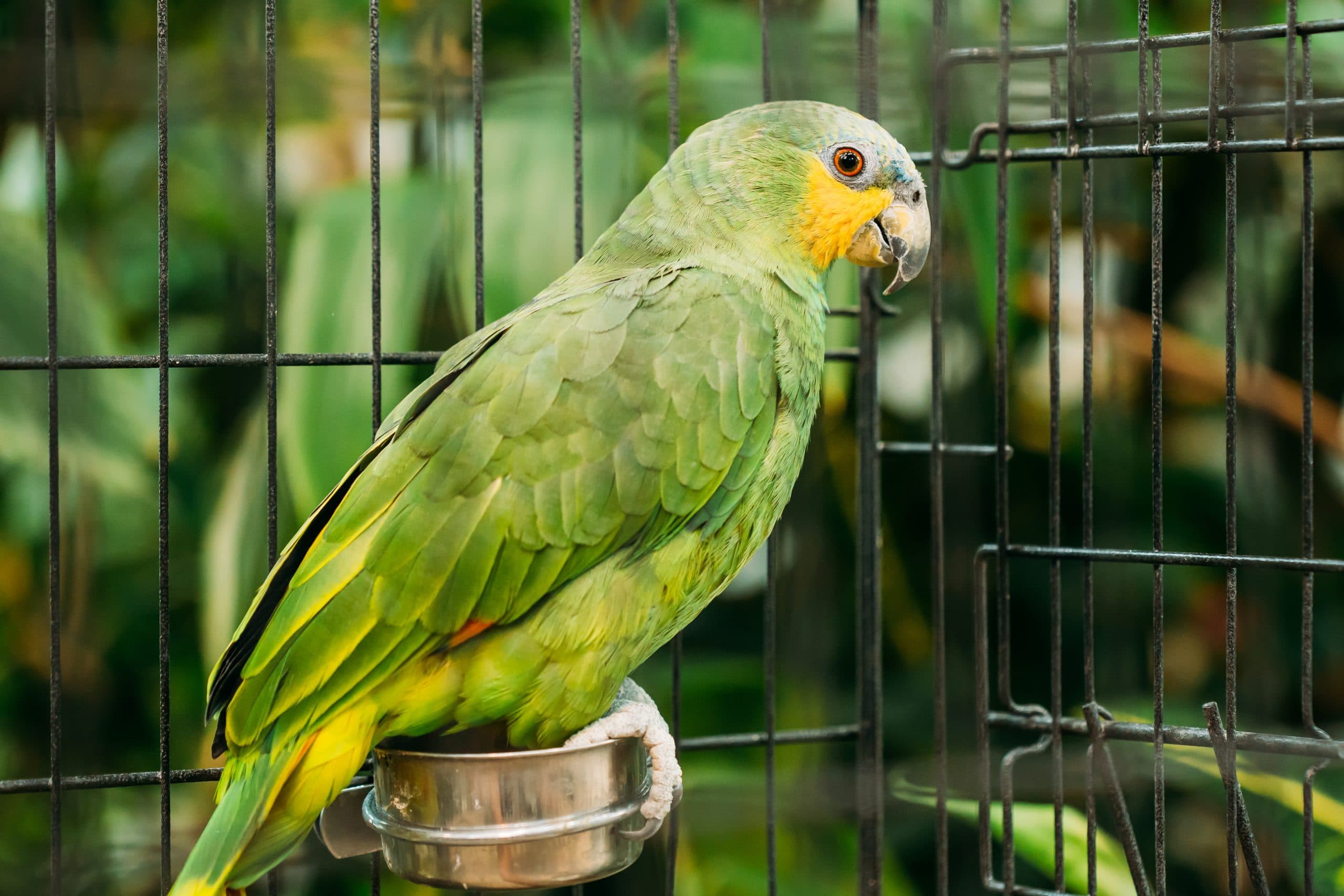
Living with a parrot is one of the most rewarding relationships you can have with an animal, but it comes with a learning curve for both of you. Like young children, parrots need gentle, consistent guidance to understand which behaviors are welcome and which are not. The good news is that shaping behavior is far less about correcting your bird and far more about understanding it. When you lead with kindness and clarity instead of control, biting, screaming, and cage aggression tend to fade on their own.
At Bird Sitting Toronto, where we board hundreds of birds every year, the calmest, most confident guests almost always come from homes that guide with patience rather than punishment. Here is how to build that same relationship at home.
Start by Asking Why the Behavior Is Happening
Before you try to change a behavior, remember one of the most important principles in parrot care: problem behaviors are rarely the bird’s fault. A parrot that lunges, screams, or refuses to step up is almost always communicating something — confusion, fear, frustration, boredom, or an unmet need. Your job is to read the message, not to win an argument.
Start with the body. A sudden change in behavior — new aggression, unusual clinginess, feather-destructive behavior, or lethargy — can signal pain or illness long before it looks like a training problem. The Association of Avian Veterinarians and VCA Animal Hospitals both note that birds instinctively mask illness, so behavior is often the first visible clue.
Warning: If your parrot’s temperament changes abruptly, rule out a medical cause first. Book an avian veterinary exam before assuming the issue is behavioral. Training a bird that is in pain only adds stress.
Nurturing Guidance: Lead With Trust, Not Fear
A time-tested framework for this is nurturing guidance, a concept popularized by parrot behaviorist Sally Blanchard in Companion Parrot Quarterly and echoed across modern avian behavior work. It focuses on building trust and a sense of safety rather than establishing who is "in charge."
The core principles are simple:
- Build trust in every interaction. Skip punishment, force, and deprivation entirely. These tactics may stop a behavior for a moment, but they teach your bird that hands — and you — are unpredictable and unsafe.
- Use a few gentle, consistent cues so your parrot always knows what is being asked:
- "Step Up" invites your bird onto your hand or a perch.
- "Down" asks it to step off.
- "Okay" signals approval or permission.
- "No" is a calm redirect, never a scolding.
- Reward the behavior you want to see. Positive reinforcement — a favorite treat, warm praise, a head scratch, or a few minutes of play — is what makes good behavior worth repeating.
Retire the "Dominance" Myth
You may have read older advice about keeping your parrot below eye level, never letting it perch on your shoulder, or "showing it who is boss." Current avian-behavior consensus has moved on from these ideas. Parrots are flock animals, not pack animals, and there is no reliable evidence that cage or perch height creates dominance over you. A bird that bites when it is up high is almost always feeling territorial, overstimulated, or frightened — not staging a power grab.
Chasing dominance tends to backfire because it frames the relationship as a contest. Guidance works better when your bird sees you as a trusted flock member who is safe, predictable, and generous with good things.
Positive Reinforcement, Step by Step
The fastest way to build cooperative behavior is target training — teaching your bird to touch a target (a chopstick or the end of a perch) with its beak for a reward. It is gentle, it gives your parrot a job it can succeed at, and it becomes the foundation for step-ups, recall, and stress-free vet handling.
- Choose a marker. Pick a short word ("good") or a clicker that always means "correct, a reward is coming."
- Introduce the target. Hold the stick a beak’s length away. The moment your bird touches or even leans toward it, mark and reward.
- Reward instantly. Deliver the treat within about two seconds so your parrot connects the reward to the exact action.
- Shape movement. Gradually move the target so your bird takes a step, then several steps, to reach it. Soon you can guide it on and off perches without ever forcing a step-up.
- Keep sessions short. Two to five minutes, a couple of times a day, ending on a success.
Tip: Training treats should come from the small "treat" slice of the diet — the roughly 5% reserved for seeds and nuts. Most of your parrot’s food should still be quality pellets (about 75–80%) with fresh, veg-forward foods (about 20–25%). A tiny piece of almond, a single sunflower seed, or a nibble of your bird’s favorite fruit makes a high-value reward without unbalancing the diet.
Read the Body Language Before the Bite
Most bites are predictable if you know the warning signs. Parrots almost always signal discomfort before they escalate. Watch for:
- Pinning eyes (the pupils rapidly shrinking and expanding), often paired with excitement or agitation.
- A fanned or flared tail and raised feathers on the nape or shoulders.
- Beak clacking, hissing, or lunging without contact — a clear "back off."
- Leaning away, stepping back, or a raised foot held like a shield.
When you see these, pause and give your bird space. Respecting the warning teaches your parrot that it does not need to bite to be heard — which is exactly how you get fewer bites over time.
Common Situations at a Glance
| Situation | Try this instead | Avoid |
|---|---|---|
| Bites during step-up | Target-train the step; ask when the bird is calm and offer a reward | Grabbing, "laddering" repeatedly, pushing the hand in |
| Screaming for attention | Reward quiet moments; give scheduled attention and enrichment | Yelling back or running over — both reward the noise |
| Refuses to return to cage | Make the cage rewarding (foraging toy, treat on return) | Chasing or forcing, which makes the cage a punishment |
| Hormonal nippiness (spring) | More sleep, less petting down the back, extra foraging | Punishing normal seasonal behavior |
The Foundations That Make Guidance Work
No training plan succeeds if your parrot’s basic needs are unmet. Set the stage with:
- Sleep: 10–12 hours of quiet, dark rest each night. Overtired parrots are cranky, reactive, and quick to bite.
- Diet: a pellet-based diet (about 75–80% pellets) with fresh vegetables and greens, so nutrition is steady and treats stay special.
- Out-of-cage time and foraging: daily interaction plus toys and foraging opportunities give that big brain — the kind Dr. Irene Pepperberg’s work with Alex the African grey made famous — something constructive to do.
Consistency Is the Whole Game
Parrots thrive on predictability. When your cues, rewards, and boundaries stay the same from day to day, your bird learns the rules quickly and relaxes into them. Lead with kindness, reward generously, respect the warning signs, and give guidance a little time. What you build is not obedience through fear — it is a relationship grounded in trust, communication, and genuine joy.
Explore related topics
Related Articles
The 20 Biggest Mistakes New Bird Owners Make
We all make mistakes as new bird owners. Here are the 20 most common — and how to avoid them.
Do Parrots Feel Jealousy? Understanding Possessive Behavior
Your parrot lunges at your partner when they sit near you. Is it jealousy? The science says yes — here's what to do.
Fireworks and Loud Noises: Protecting Your Parrot from Sound Stress
Canada Day, New Year's, thunderstorms — loud events can traumatize your bird. Here's how to protect them.