How to Give Your Parrot the Right Kind of Attention Every Day
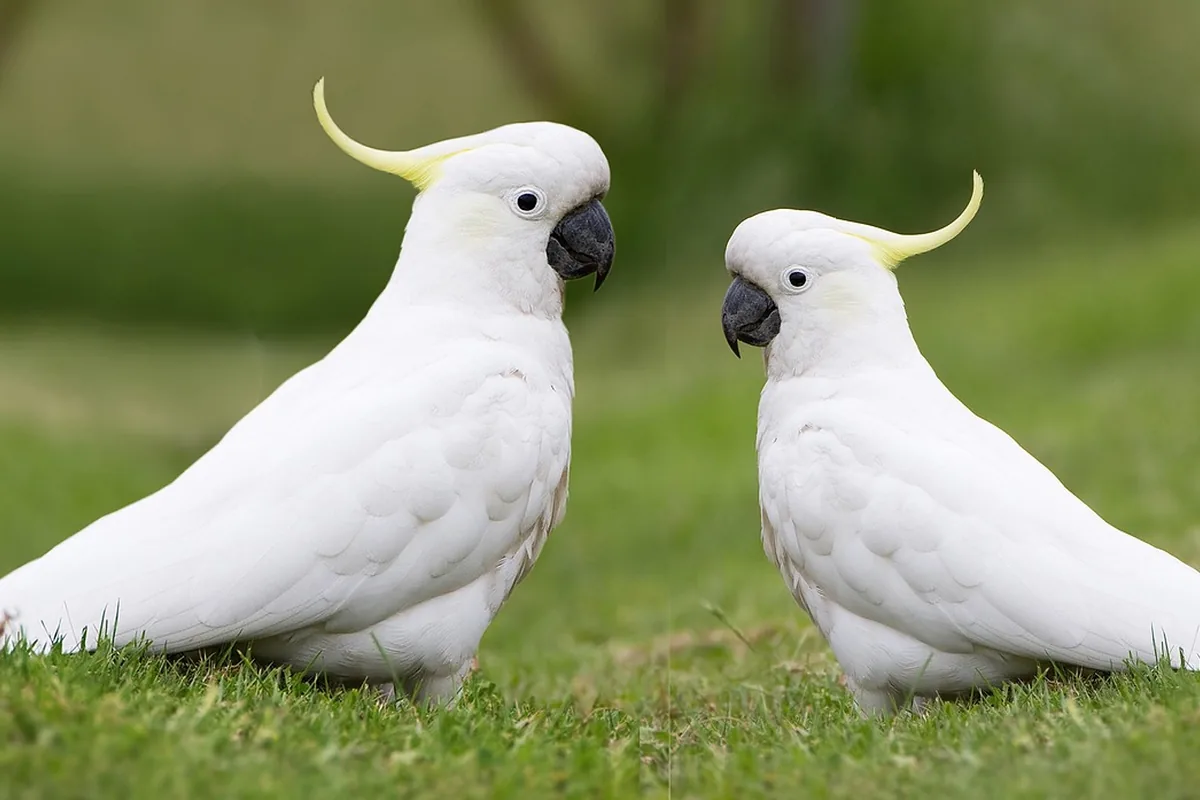
Parrots did not evolve to be alone. In the wild, a companion parrot's ancestors spent their days inside a flock that foraged together, preened together, called back and forth across the canopy, and roosted side by side at night. When you bring a parrot into your Toronto living room, you become that flock. That is a genuine responsibility, and it is also one of the most rewarding relationships you can have with an animal.
The question most owners eventually ask is a practical one: how much attention does my bird actually need, and what kind counts? The good news is that "attention" is not a single, exhausting block of time you have to carve out of a busy day. It comes in layers, and once you understand those layers you can meet your parrot's social needs without rearranging your entire life.
Why Attention Is a Welfare Issue, Not a Luxury
It is tempting to file daily interaction under "nice to have." Avian veterinary consensus puts it firmly under "must have." The Association of Avian Veterinarians and the Merck Veterinary Manual both identify social isolation, boredom, and lack of mental stimulation as leading drivers of the two most common behaviour complaints in companion parrots: feather-destructive behaviour (plucking and over-preening) and chronic screaming. A parrot that has nothing to do and no one to do it with will often turn that unspent energy inward, on its own feathers, or outward, in noise.
Parrots are also cognitively demanding animals. The late Dr. Irene Pepperberg's decades of work with Alex, an African grey, demonstrated that parrots can grasp concepts like same and different, quantity, and colour — the kind of reasoning we associate with a young child. An intelligence like that needs occupation. When you give your bird meaningful daily attention, you are not spoiling it; you are meeting the same emotional and mental needs that keep it healthy.
Tip: A sudden change in your bird's behaviour — new screaming, feather chewing, aggression, or withdrawal — is worth a call to an avian vet before you assume it is "just" a mood. Feather loss and appetite changes in particular can be medical, not behavioural, and the two are easy to confuse.
The Three Layers of Daily Attention
Think of your parrot's social diet as a pyramid. A little time is intense and focused; more time is shared and casual; the most time of all is simply being present in a busy household. All three matter, and they add up to a bird that feels secure.
| Layer | What it looks like | Daily target | Your focus |
|---|---|---|---|
| One-on-one quality time | Training, cuddles, hands-on interactive play — just you and your bird | 10–15 min, twice a day | Fully present |
| Shared attention | Bird perched near you while you cook, work, or watch TV | 20–30 min or more | Partial, with check-ins |
| Background attention | Bird on a stand in a busy room, part of the household hum | 2 hours or more | Ambient presence |
One-on-One Quality Time
This is the top of the pyramid: short, distraction-free sessions dedicated entirely to your bird. Aim for roughly 10 to 15 minutes, twice a day. Whether you are cuddling, teaching a trick, or playing, the value comes from being fully present — phone down, television off.
Interactive play is especially enriching because it engages your parrot's problem-solving mind while it deepens your bond. Simple games work beautifully: peek-a-boo, gentle ball toss, hide-and-seek with a favourite toy, or a chase-and-retreat game like "gonna get a bird." Short training sessions using positive reinforcement — a target stick and a small food reward — count double, giving your bird a mental workout and a job to do at the same time.
Shared Attention
The middle layer is the easiest to fit into a real day. Here your bird is near you while you go about your business — reading, cooking, folding laundry, on a video call, spending time with family. You are not focused on the bird, but your presence and the occasional word or glance let it feel included and safe. Twenty to thirty minutes a day is a reasonable floor, and most owners find it happens naturally once the bird is out of the cage on a nearby stand.
Background Attention
The base of the pyramid is simply being part of the household. Parrots are keen observers and genuinely enjoy watching the daily hustle. Set your bird up on a play stand or T-stand in a room where life happens, and let it people-watch. Offer a toy, a treat, or a few kind words as you pass by. Two hours or more of this ambient presence each day keeps your bird from feeling shut away, even when you are busy.
Warning: The kitchen is background-attention gold, but keep your bird well clear of the stove. Overheated non-stick cookware (PTFE) releases fumes that are rapidly fatal to birds, and the same goes for self-cleaning oven cycles. Perch your parrot in a spot where it can watch you cook from a safe distance, never over the range.
Talk Back: Contact Calls Versus Screaming
In the wild, flock members stay connected by calling back and forth — a "contact call" that essentially means "I'm here, where are you?" Your parrot does the same. Sometimes all it wants is a quick response from across the room to confirm you have not vanished. Answering a soft call with a cheerful "hello" or a whistle back reassures your bird and satisfies the instinct.
This is also where many well-meaning owners accidentally train a screamer. If you ignore the quiet contact call but come running when your bird escalates to a shriek, you have taught it that volume gets results. Instead, reward the sounds you want to live with. Answer the pleasant call, talk to your bird when it is being quiet, and resist reappearing at the peak of a scream.
Tip: Give your parrot an "acceptable" contact sound — a specific whistle or word — and return the same one whenever you hear it. Over time your bird learns that this pleasant noise reliably brings a response, and it has less reason to reach for the ear-splitting alternative.
Petting the Right Way
Physical affection is part of quality time, but where you touch your parrot matters more than most owners realize. Stick to the head and neck. Gently scratching around the head, cheeks, and the back of the neck mimics the allopreening that flock mates do for each other, and most birds adore it.
Stroking down the back, under the wings, along the tail, or near the vent is a different message entirely. To a parrot, that pattern of touch reads as a mating cue. Done repeatedly, it can trigger hormonal and reproductive behaviour — chronic frustration, territorial aggression, and in females even unwanted egg-laying, which carries real health risks. Keeping your hands to the head and neck is a small habit that prevents a surprising number of behaviour problems.
Building a Confident, Independent Bird
It is easy to love a parrot so much that it becomes over-bonded to one person and falls apart the moment that person leaves the room. That is not a compliment; it is a bird with no coping skills, and it is a common route to separation-related screaming and plucking. The healthiest parrots are attached and independent.
Foraging toys are your best ally here. Instead of serving all the food in a bowl, tuck portions into foraging toys, crumpled paper, or puzzle feeders so your bird has to work for it — much as it would spend hours foraging in the wild. Rotate a handful of toys every week or two so novelty stays high without overwhelming the cage. Encourage the whole household to handle and feed the bird, not just its favourite human, and praise your parrot warmly when it plays contentedly on its own. You are teaching it that solitude is safe and interesting, not a crisis.
A Realistic Daily Rhythm
Here is how the layers might fall into an ordinary day. In the morning, uncover your bird and share breakfast together — that is shared attention plus a quick contact-call exchange. Before work or the day's errands, spend 10 to 15 minutes on a focused training game or a cuddle. Through the day, the bird lives on a stand in the kitchen or living room, foraging and people-watching (background attention). In the evening, another short one-on-one session, then some couch time with the bird perched nearby.
The final, non-negotiable ingredient is sleep. Parrots need roughly 10 to 12 hours of dark, quiet, uninterrupted sleep every night, and a chronically sleep-deprived bird is a cranky, hormonal, nippy bird. In a Toronto winter, when daylight is short and the household stays up under bright lights, a dedicated sleep cage in a quiet room — or a proper cage cover — makes all the difference. Aim for a consistent bedtime so your parrot's day has a reliable beginning and end.
When You Cannot Be There
Life happens — work trips, vacations, long hospital days. A parrot's social needs do not pause when you leave town, and a bird left alone with a topped-up food bowl for a week is not being cared for; it is being neglected. This is exactly why a bird-literate sitter matters. At Bird Sitting Toronto, where we care for hundreds of birds every year, the routine we protect most carefully is the social one: contact calls answered, time out of the cage, foraging refreshed, and consistent sleep, so your parrot's world keeps its rhythm even while you are away.
Give your parrot the right balance of focused time, shared time, and simple presence, answer its calls, respect where and how you touch it, and protect its sleep, and you will have done the real work of ownership. A well-attended parrot is a calmer, healthier, and far happier companion — and it will tell you so, in the best possible voice.
Explore related topics
Related Articles
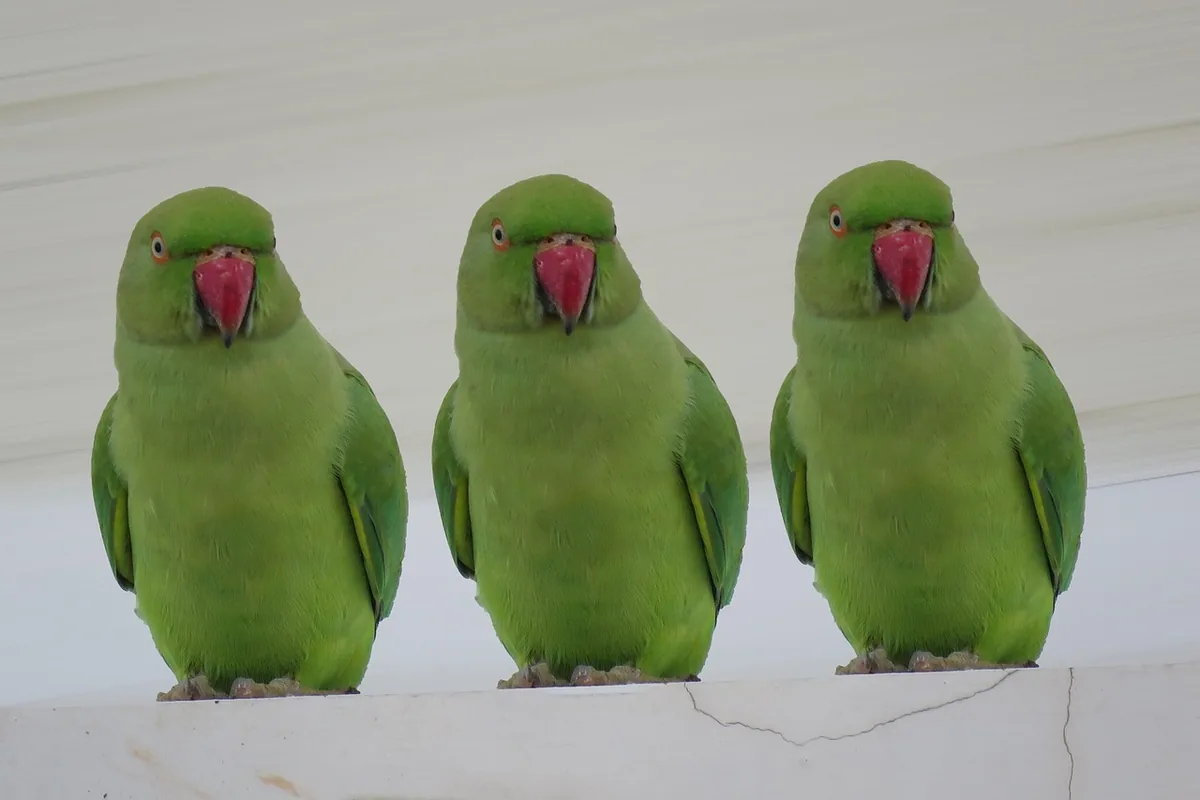
Ethical Bird Ownership: Breeder, Rescue, or Pet Store?
Where you get your bird matters — for the bird, for the species, and for the industry. Here's an honest look.
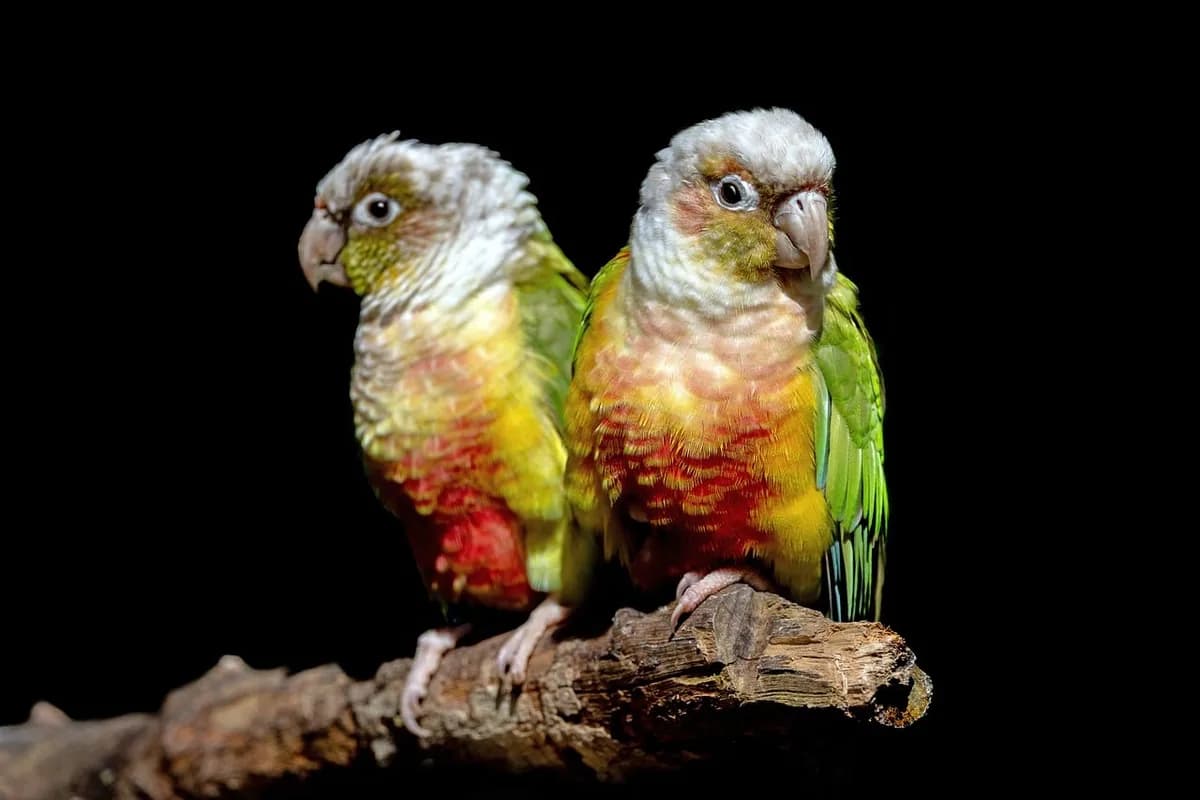
How Parrots Bond with Humans: The Science of the Human-Bird Relationship
The bond between a parrot and their human is real, deep, and scientifically documented. Here's how it works.
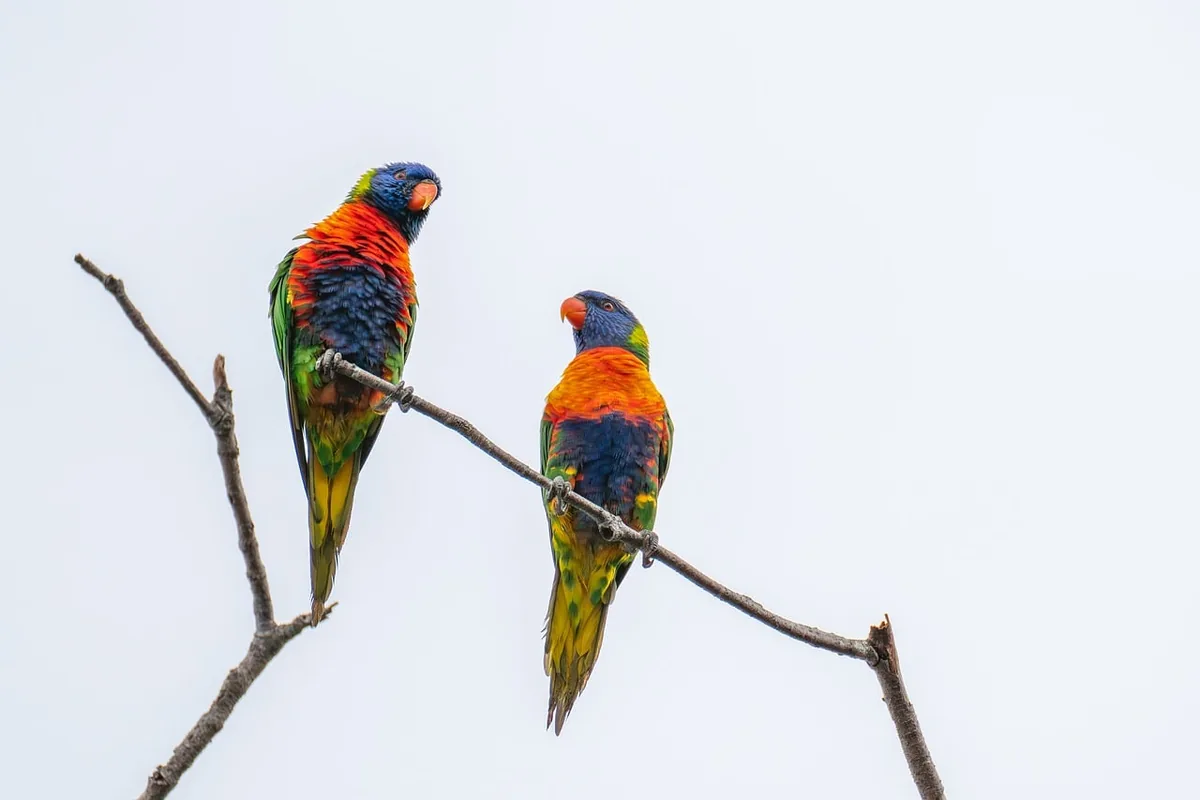
Joining the Bird Community: Clubs, Forums, and Resources for Parrot Owners
You don't have to figure out bird ownership alone. Here's where to find your bird-loving community.