How Music Affects Parrots: What to Play and What to Avoid
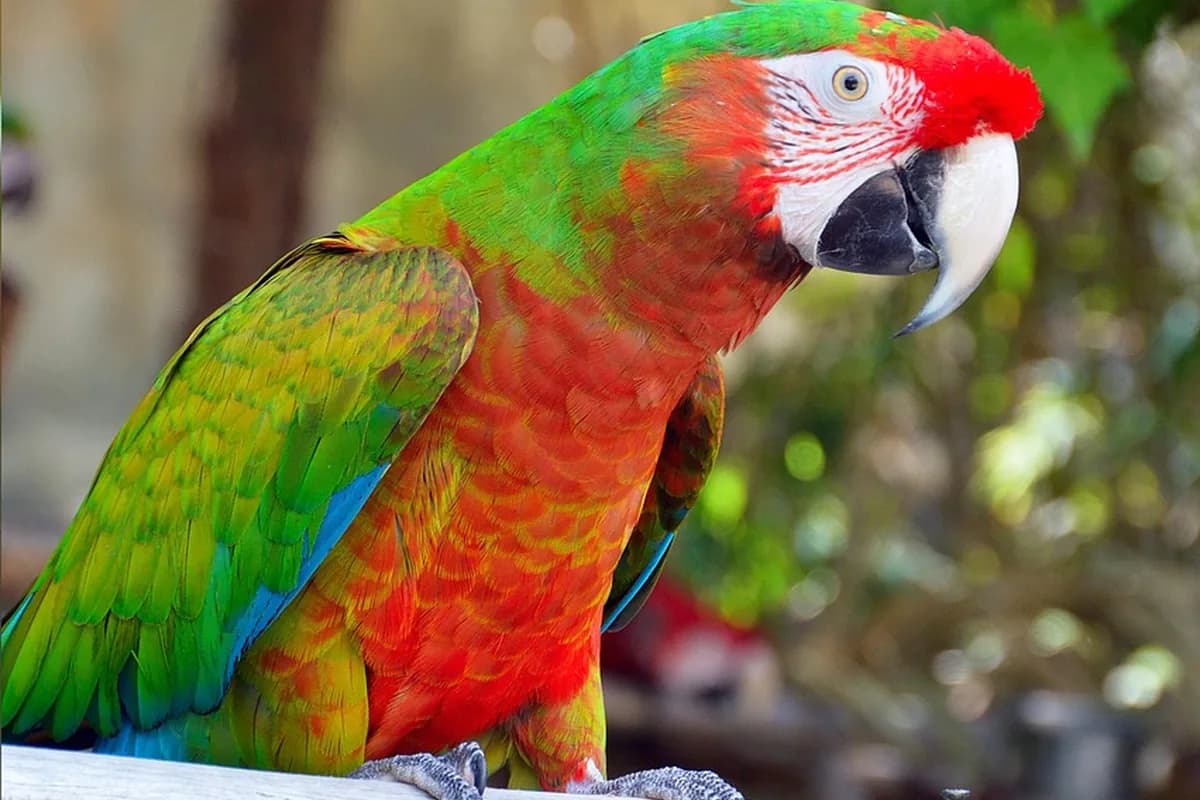
Your Parrot's Secret Musical Life: The Science Behind Feathered Music Lovers
If you've ever caught your parrot bobbing their head to your favorite song or noticed them getting more vocal when certain music plays, you're witnessing something truly remarkable. Your feathered friend isn't just tolerating your playlist — they're actively experiencing and responding to music in ways that might surprise you.
At Bird Sitting Toronto, we've observed hundreds of birds in our care, and one thing has become crystal clear: music profoundly affects our feathered guests. That's why we carefully curate calming playlists in our boarding facility. But here's the thing — not all music affects parrots the same way, and understanding these differences can transform your bird's daily experience.
The Fascinating Science: Parrots Really Can Keep a Beat
Recent research has revealed something extraordinary about parrots and music. Unlike most animals, parrots can actually synchronize their movements to a musical beat — a ability scientists call "rhythmic entrainment." This puts them in an exclusive club with humans, elephants, and sea lions.
Dr. Aniruddh Patel's groundbreaking studies with Snowball the cockatoo showed that parrots don't just move randomly to music. They adjust their dancing speed when the tempo changes, proving they're genuinely processing rhythm. In our experience boarding over 1,000 birds, we see this daily — from subtle head bobs to full-body dance performances.
But it goes deeper than dancing. Studies have found that parrots show measurable physiological responses to different types of music, including changes in heart rate, stress hormones, and activity levels. This means music isn't just entertainment for your bird — it's affecting their actual wellbeing.
Musical Genres That Calm and Soothe
Classical Music: The Universal Relaxer
Classical music consistently ranks as the most calming genre for parrots across multiple studies. The complex harmonies and moderate tempos seem to reduce stress behaviors like excessive preening, pacing, and screaming.
Best classical choices for your parrot:
- Bach's Brandenburg Concertos
- Mozart's piano sonatas
- Vivaldi's "Four Seasons"
- Debussy's impressionist pieces
Pro Tip: We've found that baroque music with its mathematical precision and predictable patterns works particularly well for anxious birds or during settling-in periods.
Soft Rock and Folk: Gentle Rhythms That Comfort
Many parrots respond beautifully to soft rock and folk music. The gentle rhythms and melodic vocals can be incredibly soothing, especially for birds who enjoy human vocal interaction.
Artists that tend to work well include James Taylor, Carole King, and acoustic versions of popular songs. The key is choosing tracks with clear, pleasant vocals and avoiding anything with harsh or sudden instrumental changes.
Nature Sounds: Connecting to Their Wild Side
While not technically music, nature soundscapes can be profoundly calming for parrots. Gentle rain, ocean waves, or forest ambiance can help reduce stress and create a peaceful environment.
Effective nature sounds:
- Tropical rainforest ambiance (without predator calls)
- Gentle rainfall or streams
- Ocean waves at moderate volume
- Wind through trees
Important: Avoid nature recordings with hawk calls, owl hoots, or other predator sounds, as these can trigger stress responses in your parrot.
Music That Energizes and Excites
Pop and Dance Music: Party Time for Parrots
Upbeat pop and dance music often gets parrots moving and vocalizing. Many birds seem to genuinely enjoy the energy and will dance, sing along, or become more active during these songs.
This can be wonderful during out-of-cage time when you want to encourage movement and play. We've seen cockatiels whistle along to pop melodies and African Greys attempt to mimic pop song rhythms with their own vocalizations.
Interactive Music Sessions
Some parrots absolutely love interactive music time with their humans. Singing together, dancing, or even "performing" can be excellent bonding activities. Just watch your bird's body language to ensure they're enjoying themselves rather than becoming overstimulated.
What to Avoid: Music That Stresses Birds
Heavy Metal and Aggressive Genres
While some parrots might seem to enjoy the energy of heavy metal initially, research suggests that aggressive music with harsh vocals and intense instrumentation can increase stress levels over time. The unpredictable loud sounds and aggressive tones may trigger fight-or-flight responses.
Extremely Loud Music at Any Volume
Volume matters more than genre sometimes. Even calming classical music played at excessive volumes can cause stress, hearing damage, and behavioral problems. Parrots have sensitive hearing, and what seems comfortable to you might be overwhelming to them.
Warning: Never use music to mask your bird's natural vocalizations or as a way to "quiet" them. This can lead to increased stress and behavioral issues.
Music with Sudden Changes or Jarring Elements
Songs with sudden volume spikes, unexpected instrumental breaks, or jarring transitions can startle birds and create anxiety. This includes many modern pop songs with dramatic drops or electronic music with harsh synthetic sounds.
Using Music as Enrichment
During Out-of-Cage Time
Music can enhance your bird's free-flight time by encouraging movement and exploration. Upbeat but not overwhelming music can make playtime more engaging and help shy birds become more confident.
When You're Away
Gentle background music can provide comfort for birds left alone, but it shouldn't be constant. Birds need periods of natural quiet, and continuous music can become stressful rather than soothing.
Guidelines for leaving music on:
- Keep volume low to moderate
- Choose 2-3 hour playlists that cycle through calm genres
- Ensure some periods of natural quiet during the day
- Avoid music with repetitive or annoying elements
Species Differences: Not All Birds Are the Same
Larger Parrots (Macaws, African Greys, Amazons)
Larger species often appreciate more complex musical arrangements and may show preferences for specific instruments or vocal styles. African Greys, in particular, seem to enjoy trying to mimic musical phrases and rhythms.
Medium Parrots (Conures, Caiques, Cockatiels)
These social species often love interactive music sessions and may be more tolerant of upbeat genres. Cockatiels especially seem to enjoy whistling along to melodies.
Smaller Birds (Lovebirds, Parrotlets, Budgies)
Smaller species can be more sensitive to volume and may prefer gentler, less complex musical arrangements. They often respond well to simple melodies and nature sounds.
The Dancing Phenomenon: When Birds Get Their Groove On
Some parrots are natural performers who genuinely seem to love showing off their dance moves. Cockatoos are famous for this, but we've seen everything from budgies to macaws develop their own signature moves.
Signs your bird enjoys dancing to music:
- Rhythmic head bobbing or swaying
- Foot lifting or stepping in time
- Wing spreading or flapping
- Increased vocalizations during musical passages
- Seeking out the music source
If your bird dances, encourage it! This is excellent exercise and mental stimulation. Just ensure they have enough space to move safely and aren't becoming overly excited or aggressive.
Final Thoughts: Creating Your Bird's Perfect Playlist
Music can be a wonderful addition to your parrot's life when used thoughtfully. Start by observing your bird's responses to different genres and volumes. Every bird is an individual with their own preferences — what calms one might energize another.
At Bird Sitting Toronto, we've learned that the key is variety, moderation, and attention to each bird's unique personality. Create different playlists for different times of day and activities, and always prioritize your bird's comfort over your own musical preferences.
Remember, music should enhance your parrot's life, not dominate it. The goal is to use sound as a tool for enrichment, bonding, and wellbeing — creating a harmonious environment where both you and your feathered friend can thrive together.
Explore related topics
Related Articles
Building Natural Branch Perches: A Step-by-Step Guide
Natural branches are the best perches — varied diameter, texture, and chewing opportunity. Here's how to prepare them safely.
15 DIY Bird Toys from Dollar Store Items
You don't need expensive pet store toys. These 15 DIY toys cost under $2 each and your bird will love them.
DIY Parrot Play Gym: How to Build an Amazing Play Area for Under $50
A play gym gives your parrot a dedicated out-of-cage space. Here's how to build one with safe, affordable materials.