Holiday Hazards for Pet Birds: Christmas, Thanksgiving, and Beyond
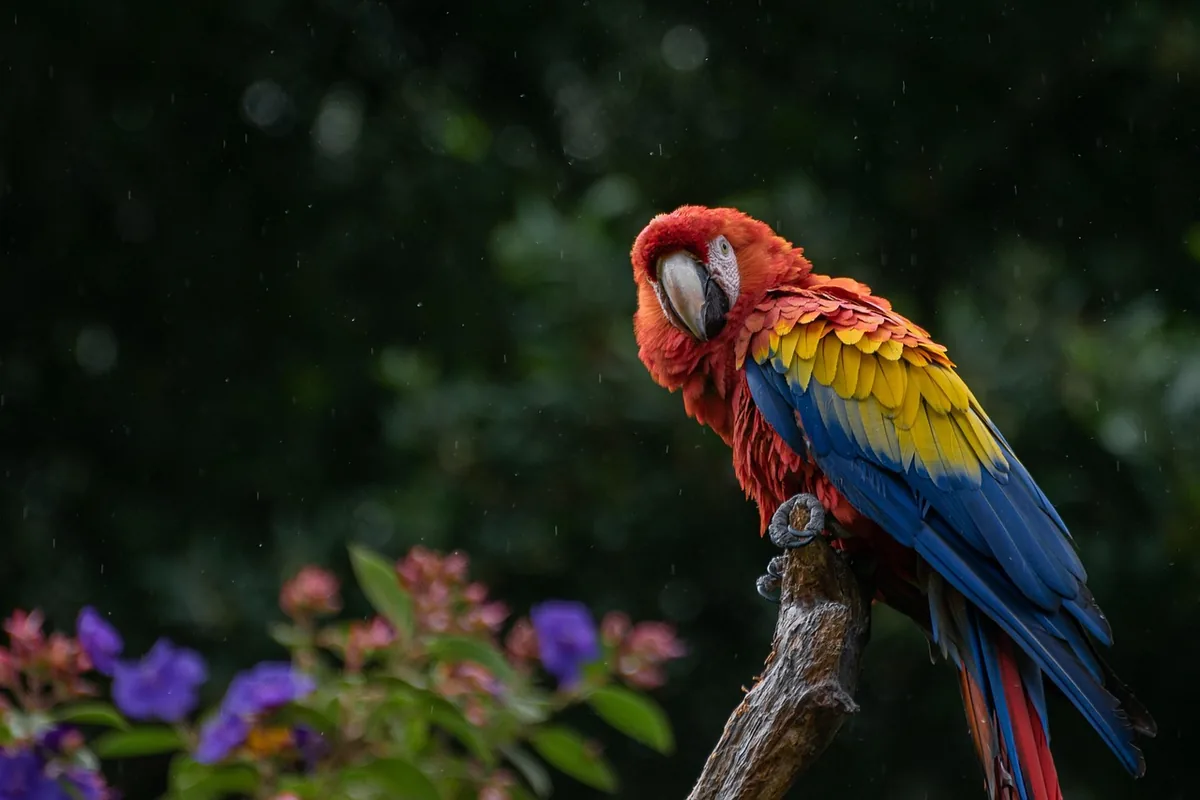
The holidays are magical — but they can be dangerous for our feathered friends
The holiday season brings so much joy to our homes: twinkling lights, delicious aromas, family gatherings, and festive decorations. But as bird parents, we need to see our celebrations through our birds' eyes. What looks festive to us can pose serious risks to our curious, sensitive companions.
In our experience boarding over 1,000 birds at Bird Sitting Toronto, we see a noticeable uptick in emergency calls during holiday seasons. The good news is that most holiday hazards are completely preventable once you know what to watch for. Let's walk through the seasonal dangers and how to keep your feathered family member safe while still enjoying all your favorite traditions.
Christmas and Winter Holiday Hazards
Christmas Trees: Beautiful but Risky
That gorgeous Fraser fir in your living room? It's basically a playground of potential dangers for your bird. Here's what to watch for:
Pine needles can cause serious digestive issues if ingested. They're sharp, indigestible, and can cause blockages or internal injuries. Even worse, the oils in pine needles can be toxic to birds.
Tree water additives are particularly dangerous. Many people add aspirin, sugar, or commercial tree preservatives to keep their tree fresh longer. These substances are toxic to birds, and even a few sips from the tree stand can be fatal.
Tinsel is perhaps the most dangerous decoration of all. It's shiny, dangles enticingly, and looks like the perfect toy to a curious bird. But if ingested, tinsel can cause severe digestive blockages requiring emergency surgery.
Warning: Never leave your bird unsupervised in a room with a Christmas tree. The combination of attractive hazards is simply too tempting.
Christmas ornaments present multiple risks: glass ornaments can shatter if knocked over, creating sharp hazards. Painted ornaments may contain lead or other toxic substances. Small ornaments can be swallowed, and hanging ornaments with loops can create entanglement risks.
Festive Plants That Aren't Bird-Friendly
Poinsettias get a bad reputation for being highly toxic, but they're actually only mildly toxic to birds. However, "mildly toxic" doesn't mean safe — ingestion can still cause mouth irritation, drooling, and digestive upset.
Holly and mistletoe are the real villains here. Both are genuinely toxic to birds and can cause serious illness or death. Holly berries and leaves contain compounds that can cause vomiting, diarrhea, and neurological symptoms. Mistletoe is even worse, potentially causing cardiovascular problems and seizures.
Pro Tip: Stick with artificial versions of these plants, or keep live ones in rooms your bird never accesses.
Holiday Lighting and Electrical Hazards
Those twinkling lights are irresistible to birds who love to chew. Electrical cords pose electrocution risks, while the lights themselves can get hot enough to burn curious beaks and feet.
Candles create multiple dangers: open flames, hot wax that can burn, and smoke that can irritate your bird's sensitive respiratory system. Scented candles are even worse, as the artificial fragrances can be toxic to birds.
Holiday Cooking Dangers
The holidays mean lots of cooking, and kitchens become particularly hazardous during this time.
Teflon-coated holiday cookware is especially dangerous. Many people break out special pans, cookie sheets, and roasting dishes for holiday cooking. If any of these have non-stick coatings and overheat, they release fumes that are rapidly fatal to birds.
Cooking fumes in general become more concentrated during heavy holiday cooking sessions. Turkey drippings, butter burning in pans, and other cooking smoke can overwhelm your bird's delicate respiratory system.
Important: Always ensure excellent ventilation when cooking, and consider moving your bird to a room far from the kitchen during heavy cooking sessions.
Thanksgiving Troubles
Thanksgiving brings its own unique set of challenges, mostly centered around that marathon cooking session.
Kitchen Safety During the Big Meal
Hot stoves and open ovens are obvious dangers, but they're especially risky on Thanksgiving when ovens are running for hours and stovetops are crowded with pots and pans. A flying bird can easily land on a hot surface or knock over a pot of boiling water.
Self-cleaning oven cycles are particularly dangerous for birds. The extreme heat (900°F or higher) can cause even trace amounts of food residue to smoke, creating toxic fumes. Never run a self-cleaning cycle with birds in the house.
The Stress Factor
Thanksgiving often means disrupted routines, unfamiliar people in the house, and general chaos. Birds are creatures of habit, and this disruption can cause significant stress, which weakens their immune systems and makes them more susceptible to illness.
Halloween Hazards
Halloween might seem less risky, but it has its own unique challenges.
Costumes and decorations can be genuinely frightening to birds. That realistic skeleton or jumping spider decoration might seem fun to us, but to your bird, it looks like a predator. Even your costume can be scary — birds recognize us by our faces and silhouettes, so dramatic costume changes can cause real distress.
Candles in jack-o'-lanterns and other Halloween decorations pose the same fire and smoke risks as any other open flame.
Candy left around the house is dangerous if your bird gets into it. Chocolate is toxic to birds, and artificial sweeteners like xylitol can be fatal.
Year-Round Holiday Stress
Visitors and Routine Disruption
Here's the thing about birds: they're incredibly sensitive to changes in their environment and routine. Holiday gatherings mean new people, different schedules, and general household disruption.
Loud parties can be overwhelming for birds. Their hearing is more sensitive than ours, and sudden loud noises can cause genuine distress or even heart problems in sensitive birds.
Fireworks during New Year's or Fourth of July celebrations can be terrifying. The sudden, unpredictable loud noises can send birds into panic mode.
Travel Considerations
If you're planning to travel with your bird or board them during the holidays, plan well in advance. Holiday boarding fills up quickly, and last-minute arrangements can be stressful for everyone involved.
Holiday Safety Checklist
Use this checklist to bird-proof your holiday celebrations:
Before decorating:
- Choose artificial plants instead of live holly, mistletoe, or poinsettias
- Secure Christmas tree water with a cover or skirt
- Avoid tinsel entirely
- Place breakable ornaments high on the tree
- Ensure all electrical cords are protected or out of reach
During cooking:
- Check all cookware for non-stick coatings
- Ensure excellent kitchen ventilation
- Keep birds out of the kitchen during heavy cooking
- Never run self-cleaning oven cycles with birds in the house
- Cover hot surfaces and turn pot handles inward
For parties and gatherings:
- Create a quiet, safe space for your bird away from the festivities
- Brief guests on bird safety rules
- Remove or secure any dangerous decorations in bird-accessible areas
- Keep candy and alcohol completely out of reach
- Monitor noise levels
General safety:
- Maintain your bird's routine as much as possible
- Provide extra enrichment to manage stress
- Have your avian vet's emergency number handy
- Consider boarding if your household will be too chaotic
Final Thoughts
The holidays don't have to be stressful for you or your bird. With a little planning and awareness, you can enjoy all your favorite traditions while keeping your feathered friend safe and comfortable. Remember, your bird doesn't understand that these are special occasions — they just want to feel secure in their environment.
When in doubt, err on the side of caution. It's better to move a decoration or skip a particular tradition than to risk your bird's health. We've seen too many holiday emergencies that could have been easily prevented with just a little extra awareness.
Your bird's safety is the best gift you can give yourself this holiday season. After all, there's nothing more magical than knowing your entire family — feathered members included — is safe, healthy, and ready to celebrate together.
Explore related topics
Related Articles
Bird-Proofing Your Home: A Room-by-Room Safety Guide
Your home is full of hidden dangers for birds. This room-by-room guide helps you create a truly safe environment.
Bird-Safe Houseplants: A Complete List for Bird Owners
Love plants and birds? Here's your definitive guide to which houseplants are safe and which can kill your parrot.
Emergency Evacuation Plan for Bird Owners: Be Prepared for Anything
Fire, flood, power outage — do you have an evacuation plan for your bird? Most owners don't. Here's how to create one.