Fresh Food Chop: The Ultimate Weekly Meal Prep for Your Parrot
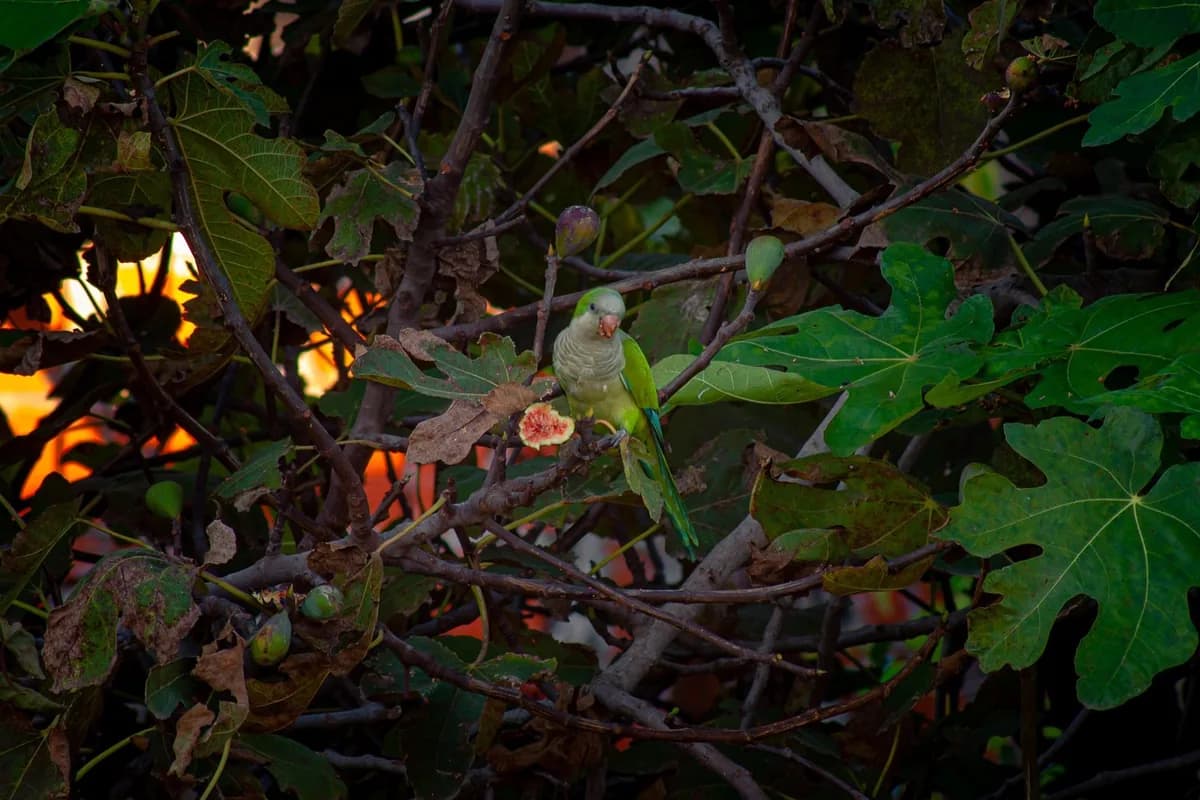
Transform Your Bird's Health with Fresh Food Chop
If you've been wondering how to give your feathered friend the nutritional powerhouse they deserve without spending hours daily chopping vegetables, fresh food chop is your answer. In our experience boarding over 1,000 birds at BST, we've seen firsthand how this simple meal prep method can transform a bird's health, energy, and overall well-being.
Chop is essentially a finely diced mixture of fresh vegetables, grains, and legumes that you prepare once a week and serve daily. Think of it as meal prep for your parrot — you do the work upfront, and both you and your bird reap the benefits all week long. The beauty of chop lies in its versatility and the way it encourages birds to eat a variety of nutrients in every bite.
What Makes Chop So Special?
Here's the thing about birds and food: they're naturally inclined to be picky eaters. In the wild, this pickiness keeps them safe from toxic foods. But in our homes, it often means they'll eat around the vegetables to get to their favorite seeds or pellets. Chop solves this problem by mixing everything together in small, uniform pieces.
When we prepare chop at BST for our boarding guests, we consistently see birds who normally ignore vegetables suddenly eating them with enthusiasm. The secret is in the preparation — when everything is chopped to similar sizes and mixed together, birds can't easily pick out just their favorites.
Pro Tip: The ideal chop pieces should be roughly the size of a pellet or smaller. This prevents selective eating and ensures your bird gets balanced nutrition in every bite.
Three Complete Chop Recipes
Basic Beginner Chop
Perfect for birds new to fresh foods or picky eaters:
Ingredients:
- 2 cups broccoli florets
- 1 cup carrots, diced
- 1 cup sweet potato, diced
- 1/2 cup red bell pepper, diced
- 1/2 cup snap peas
- 1/4 cup fresh parsley
- 1 cup cooked quinoa (cooled)
Instructions:
- Steam sweet potato until just tender (about 8 minutes)
- Pulse all vegetables in food processor until finely chopped
- Mix in cooled quinoa
- Portion and store
Grain-Enhanced Power Chop
For birds ready for more complex nutrition:
Ingredients:
- 1 cup kale, stems removed
- 1 cup Brussels sprouts
- 1/2 cup butternut squash, diced
- 1/2 cup beets, diced
- 1/2 cup cucumber, diced
- 1/4 cup cilantro
- 1/2 cup cooked brown rice (cooled)
- 1/2 cup cooked lentils (cooled)
- 2 tablespoons chia seeds
Instructions:
- Lightly steam Brussels sprouts and butternut squash (5 minutes)
- Process all fresh vegetables until finely chopped
- Fold in grains, legumes, and seeds
- Mix thoroughly and portion
Tropical Paradise Chop
A colorful, antioxidant-rich option:
Ingredients:
- 1 cup spinach leaves
- 1/2 cup mango, diced
- 1/2 cup papaya, diced
- 1/2 cup red cabbage, shredded
- 1/2 cup zucchini, diced
- 1/4 cup fresh mint
- 1/2 cup cooked wild rice (cooled)
- 1/4 cup pomegranate seeds
- 1 tablespoon flax seeds
Instructions:
- Dice all fruits and vegetables to uniform size
- Combine fresh ingredients in large bowl
- Add cooled rice and seeds
- Toss gently to distribute evenly
Weekly Prep Instructions
The key to successful chop is establishing a routine. We recommend choosing one day each week as your "chop day" — many of our clients find Sunday works well.
Your Weekly Chop Routine:
- Wash everything thoroughly — even organic produce needs a good rinse
- Cook grains and legumes first — let them cool completely while you prep vegetables
- Dice vegetables uniformly — a food processor makes this much faster
- Mix gently but thoroughly — you want even distribution without mashing
- Portion immediately — don't let the mixture sit at room temperature
Important: Always let cooked ingredients cool completely before mixing with fresh vegetables. Hot grains can start cooking your fresh veggies and create food safety issues.
Storage and Freezing: The Ice Cube Method
Here's where chop becomes truly convenient. The ice cube tray method lets you portion perfect serving sizes and keep chop fresh for weeks.
Storage Steps:
- Fill ice cube trays with fresh chop, pressing lightly to remove air pockets
- Freeze for 24 hours until solid
- Transfer cubes to labeled freezer bags
- Date everything — frozen chop stays good for up to 3 months
Daily Serving:
- Thaw 1-3 cubes (depending on bird size) in the refrigerator overnight
- Serve at room temperature
- Discard any uneaten portion after 4-6 hours
Portion Sizes by Bird Size
Getting portions right ensures your bird gets adequate nutrition without waste:
| Bird Size | Daily Chop Amount | Ice Cube Portions |
|---|---|---|
| Finch/Canary | 1-2 teaspoons | 1/2 cube |
| Cockatiel | 1-2 tablespoons | 1 cube |
| Conure | 2-3 tablespoons | 1-2 cubes |
| Amazon/African Grey | 3-4 tablespoons | 2-3 cubes |
| Macaw/Cockatoo | 4-6 tablespoons | 3-4 cubes |
Introducing Chop to Picky Eaters
The good news is that even the pickiest birds can learn to love chop — it just takes patience and strategy. At BST, we've successfully converted many "seed-only" birds to chop enthusiasts.
Gradual Introduction Method:
- Start with familiar foods — if your bird likes apple, include finely diced apple in the first few batches
- Mix with current favorites — sprinkle chop over their regular pellets initially
- Serve when hungry — offer chop first thing in the morning when birds are most motivated to eat
- Be patient — it can take 10-15 exposures before a bird tries something new
- Eat together — birds are flock eaters, so showing enthusiasm for the food yourself helps
Pro Tip: Never remove your bird's regular food entirely when introducing chop. This creates stress and can lead to nutritional deficiencies.
Seasonal Variations
One of the joys of making chop is incorporating seasonal produce. This not only provides variety for your bird but also ensures peak nutrition and flavor.
Spring Chop Additions:
- Fresh peas
- Asparagus tips
- Baby spinach
- Radish greens
Summer Chop Stars:
- Corn kernels (raw)
- Tomatoes (no seeds or green parts)
- Fresh herbs like basil and oregano
- Berries of all kinds
Fall Harvest Chop:
- Pumpkin and winter squash
- Apple pieces (no seeds)
- Sweet potato
- Cranberries
Winter Warming Chop:
- Root vegetables like parsnips
- Citrus segments (no seeds)
- Pomegranate seeds
- Dark leafy greens
Troubleshooting Common Chop Challenges
My bird won't touch it: Start smaller. Mix tiny amounts into familiar foods and gradually increase the ratio.
It gets moldy quickly: Check your storage method. Excess moisture is usually the culprit — make sure cooked ingredients are completely cool and dry before mixing.
My bird picks out only certain pieces: Chop smaller and mix more thoroughly. The goal is pieces so small they can't selectively eat.
It's too time-consuming: Invest in a good food processor and prep larger batches. Some clients make a month's worth at once.
Final Thoughts
Fresh food chop isn't just about nutrition — it's about enrichment, variety, and showing your bird you care enough to provide the best. In our years of caring for birds, we've seen how this simple practice can strengthen the bond between bird and owner while dramatically improving health outcomes.
Start with the basic recipe, establish your weekly routine, and don't be discouraged if your bird needs time to adjust. Remember, you're not just feeding your bird — you're investing in their long-term health and happiness. The effort you put in today will pay dividends in the form of a vibrant, healthy companion for years to come.
Explore related topics
Related Articles
Can Parrots Eat Human Food? A Complete Guide to Sharing Meals
Your parrot wants to eat off your plate. Which human foods are safe to share and which are dangerous?
The Complete Guide to Parrot Pellets: Brands, Conversion, and Myths
Pellets should be 50-70% of your parrot's diet, but not all pellets are equal. Here's everything you need to know.
Cooking for Your Parrot: 15 Recipes and Meal Ideas They'll Love
Variety is the spice of your parrot's diet. These easy recipes make feeding time exciting and nutritious.