Finch Diet and Nutrition: Seed, Pellets, Greens and Egg Food
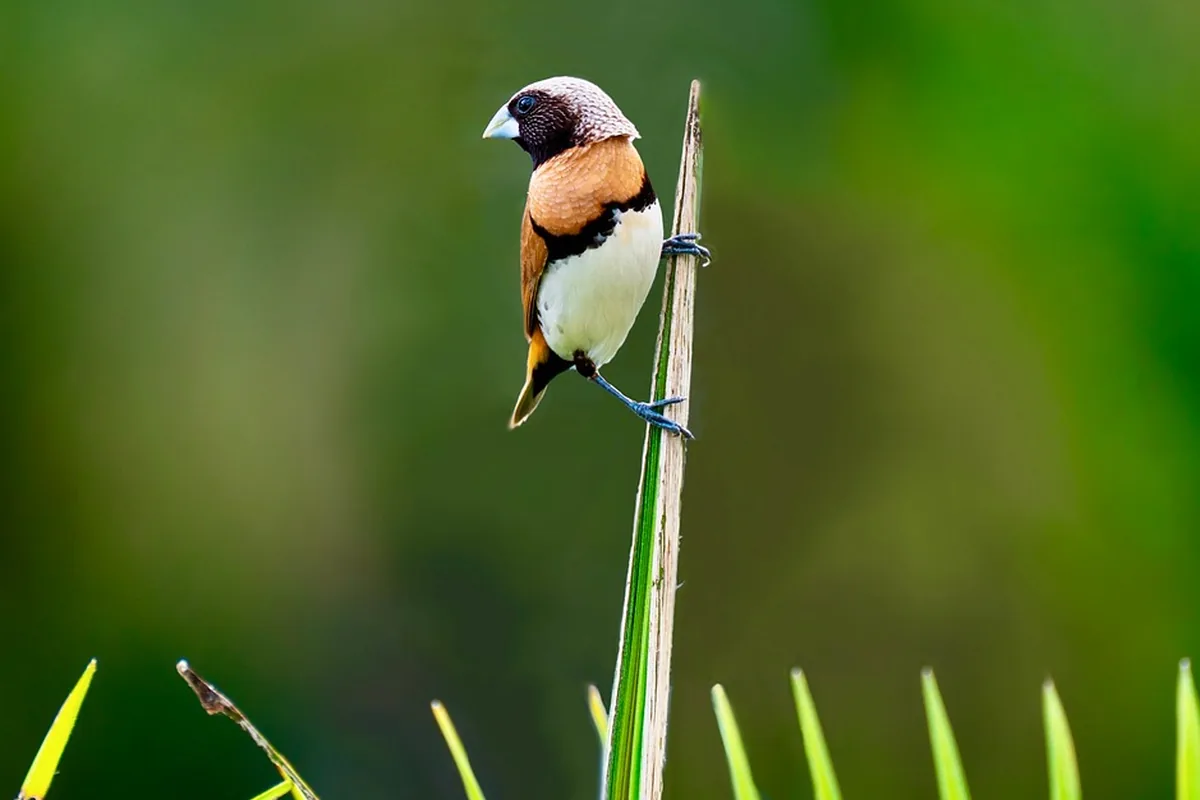
Feeding finches well is different from feeding a parrot. These tiny granivores burn through energy at a furious rate — a 12–16 g zebra finch has a metabolism that will not tolerate skipped meals — and unlike hookbills, they evolved eating small grass seeds. That single fact changes the whole plan. This guide covers what a finch actually needs, the foods that are safe and the ones that are deadly, and how to feed a flock through molt and breeding.
How a Finch's Diet Differs from a Parrot's
Most parrot guides tell you to make pellets the overwhelming majority of the diet and treat seed as a rare treat. Finches are the exception. As seed-eating passerines, a good-quality finch seed mix is a legitimate everyday staple, not junk food. The goal is not to eliminate seed but to build variety around it so the birds get the vitamins, minerals and protein that a seed-only bowl lacks. Avian veterinary consensus is clear that seed-only diets cause disease over time — the fix is a balanced plate, not banning seed.
A healthy finch diet rests on four legs: a varied seed mix, formulated pellets, fresh greens and vegetables, and egg food for protein. Here is roughly how the plate breaks down.
Recommended Diet Breakdown
| Food group | Share of diet | Examples |
|---|---|---|
| Quality finch seed mix | 50–60% | Millets (white, red, panicum), canary grass seed, small grass seeds |
| Formulated pellets | 15–20% | Finch-sized crumble or fine pellets (Roudybush, Harrison's Fine, Lafeber) |
| Fresh greens & vegetables | 15–20% | Kale, spinach (in moderation), broccoli, grated carrot, cucumber, dandelion greens |
| Egg food & protein | ~5–10% | Commercial egg food, hard-cooked egg (mashed), softened millet spray |
Note the balance is different from a parrot's — seed carries more weight here, but it is never the whole diet. Offer pellets and seed in separate dishes so birds can self-select while you monitor what actually gets eaten.
Tip: Sprouted seed is one of the best foods you can offer a finch. Soaking and rinsing seed until a tiny shoot appears transforms it into a fresh, vitamin-rich, live food that even reluctant birds relish. Rinse well, offer for only a few hours, and discard leftovers before they spoil.
Safe Foods for Finches
- Greens and vegetables: kale, dandelion greens, romaine, bok choy, broccoli florets, grated carrot, cucumber, cooked sweet potato, peas, finely chopped bell pepper. Spinach and chard are fine in moderation only.
- Fruits (small amounts): apple (no seeds), pear, blueberries, ripe mango, melon, a sliver of orange. Fruit is a treat, not a staple.
- Protein and extras: hard-cooked egg mashed with a little shell, commercial egg food, cooked quinoa, a few grains of cooked couscous.
- Grit and minerals: a cuttlebone or mineral block for calcium; only a pinch of fine soluble grit — finches do not require insoluble grit and can impact their crop if they gorge on it.
Fresh foods should be washed, chopped small enough for a tiny beak, and removed after a few hours so they don't spoil in a warm room.
Toxic Foods — Never Feed These
Some foods are outright fatal to a bird this small. Keep them completely away from the flock:
- Avocado — contains persin, which causes heart failure in birds.
- Chocolate — theobromine is toxic to the avian heart and nervous system.
- Caffeine — coffee, tea and energy drinks overstimulate the heart.
- Alcohol — devastating to a bird weighing a few grams; even a drop is dangerous.
- Onion and garlic — damage red blood cells and cause anemia.
- Fruit pits and apple seeds — apple, cherry, apricot and peach pips are cyanogenic (they release cyanide).
- Salt and salty snacks — a finch's kidneys cannot handle the sodium load.
- Uncooked (dried) beans — contain hemagglutinin, which is toxic until thoroughly cooked.
- Mushrooms — several varieties are toxic; not worth the risk.
Feeding Through Molt and Breeding
A finch's needs rise sharply at two times of year. During the molt, growing new feathers is protein- and mineral-expensive — increase egg food and greens and make sure cuttlebone is always available. During breeding, hens draw heavily on calcium to form eggs, so calcium and egg food become critical to prevent egg-binding.
Species differ here. Gouldian and society finches in particular often want live food — small mealworms, or commercial insect-based rearing food — when raising chicks, whereas zebra finches usually rear well on egg food alone. If you are not deliberately breeding, do not over-supply egg food year-round; the extra protein and rich foods can push birds into unwanted breeding condition.
Meal Prep, "Chop" and Transitioning
A simple weekly routine keeps fresh feeding easy: make a small chop — finely diced greens and vegetables mixed together — and portion it into the fridge so a spoonful goes in each morning. Because finches eat such tiny amounts, small daily servings beat one big bowl that wilts.
If your birds arrive on a seed-only diet and you want to add pellets, patience is everything. Crush pellets over the seed at first, then offer them whole in a separate dish, and lean on a flock effect — one curious bird trying pellets encourages the others. Never starve a finch onto a new food; at this body weight a bird can decline within a day of not eating.
Hydration
Fresh, clean water must be available at all times, and finches foul theirs fast, so change it at least twice a day. Provide a separate shallow bathing dish — finches bathe daily and enthusiastically, and keeping the bath separate stops them turning their drinking water into a soup. In Toronto's dry, heated winters, regular bathing also protects skin and feather condition when indoor humidity plummets.
Explore related topics
Related Articles
Can Parrots Eat Human Food? A Complete Guide to Sharing Meals
Your parrot wants to eat off your plate. Which human foods are safe to share and which are dangerous?
The Complete Guide to Parrot Pellets: Brands, Conversion, and Myths
Pellets should be 50-70% of your parrot's diet, but not all pellets are equal. Here's everything you need to know.
Cooking for Your Parrot: 15 Recipes and Meal Ideas They'll Love
Variety is the spice of your parrot's diet. These easy recipes make feeding time exciting and nutritious.