Feeding Schedule: How Often and How Much Should Your Parrot Eat
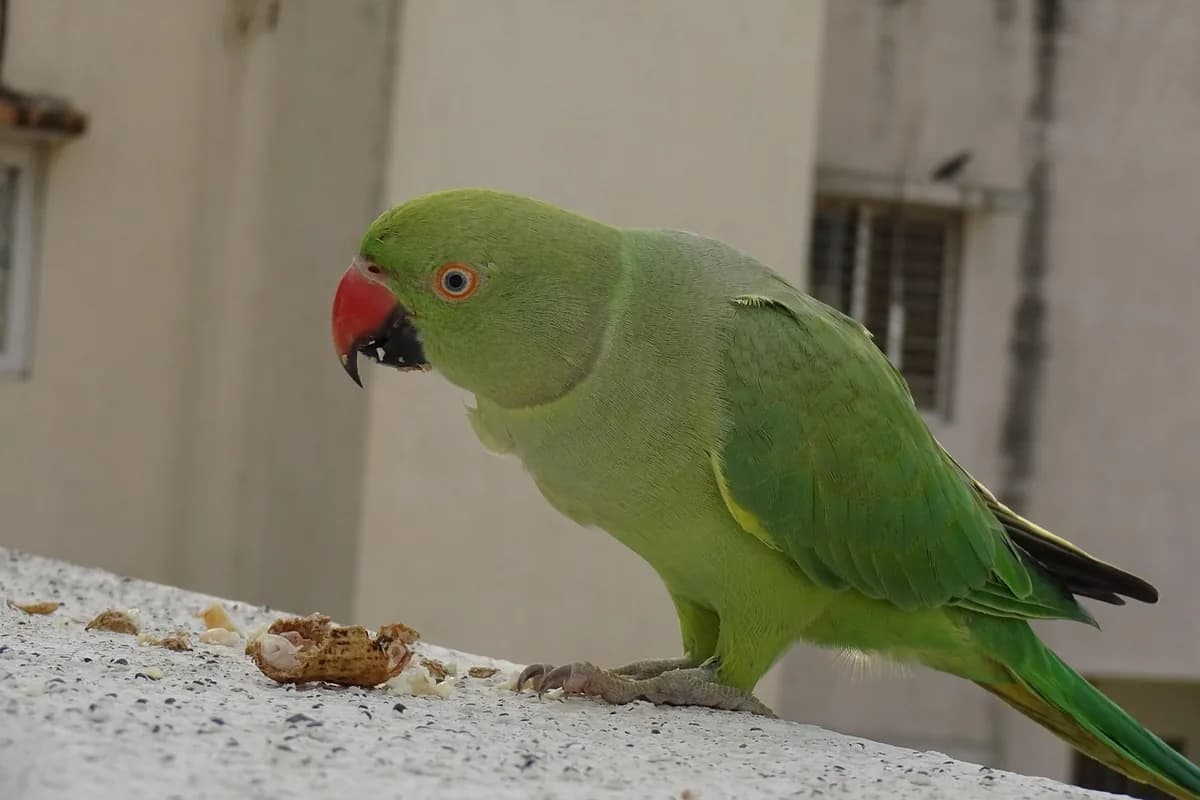
Creating the Perfect Feeding Routine for Your Feathered Friend
If you've ever watched your parrot eagerly anticipate mealtime, you know that feeding isn't just about nutrition — it's about routine, enrichment, and building trust. At Bird Sitting Toronto, we've cared for over 1,000 birds, and one thing remains constant: a structured feeding schedule is absolutely essential for your parrot's physical and emotional well-being.
Here's the thing — parrots are creatures of habit in the wild, and they thrive on predictability in our homes too. Getting their feeding schedule right sets the foundation for everything from better behavior to optimal health.
Morning vs. Evening Feeding: The Natural Rhythm
Your parrot's internal clock is hardwired for specific feeding patterns that mirror their wild cousins. In nature, parrots are most active during dawn and dusk, which means their metabolism and appetite peak during these times.
The Morning Advantage
We recommend making morning the star of your feeding routine. Here's why:
- Peak appetite: Your bird is naturally hungriest after their overnight fast
- Better nutrient absorption: Their digestive system is primed and ready
- Energy for the day: Morning nutrition fuels their active daytime hours
- Easier monitoring: You can observe their eating habits when you're most alert
Evening Considerations
While morning should be your main event, evening feeding serves a different purpose:
- Light snack only: A small portion to prevent overnight hunger
- Comfort feeding: Helps establish bedtime routine
- Social bonding: Often coincides with family dinner time
Pro Tip: At BST, we serve the main meal in the morning and offer a smaller evening portion. This mimics natural foraging patterns and prevents overeating before sleep.
Free-Feeding Pellets: The Foundation of Good Nutrition
For most parrot species, we strongly recommend free-feeding high-quality pellets. This means keeping pellets available throughout the day so your bird can nibble as needed.
Why Free-Feeding Works
- Natural grazing behavior: Parrots naturally eat small amounts throughout the day
- Prevents food anxiety: Always having pellets available reduces stress
- Maintains stable blood sugar: Consistent access prevents energy crashes
- Easier for busy households: You don't need to monitor every bite
The Right Way to Free-Feed
- Use stainless steel or ceramic bowls (easier to clean, safer materials)
- Refresh pellets daily, even if the bowl isn't empty
- Monitor consumption to catch health issues early
- Choose pellets that make up 70-80% of their total diet
Important: Free-feeding works for pellets only. Fresh foods and treats require scheduled timing and removal.
Fresh Food Timing: The Four-Hour Rule
Fresh foods are where timing becomes critical. These nutrient-packed additions to your parrot's diet require careful scheduling to prevent spoilage and maintain food safety.
Morning Fresh Food Service
We always recommend serving fresh foods in the morning for several reasons:
- Peak interest: Your bird is most motivated to try new foods when hungry
- Safe temperature window: You can remove foods before they spoil
- Better digestion: Fresh foods are processed more efficiently on an active stomach
- Training opportunities: Morning hunger makes birds more receptive to trying new foods
The Removal Schedule
Here's our strict timeline that we follow at BST:
- Serve: Fresh foods go in with morning pellets
- Monitor: Check consumption after 2 hours
- Remove: All fresh foods out after 4 hours maximum
- Clean: Wash bowls thoroughly before next use
Warning: Never leave fresh foods out longer than 4 hours. Bacteria multiply rapidly, especially in warm environments, and can cause serious illness.
Treat Budget: The 10% Rule
Treats are wonderful for training, bonding, and enrichment, but they need boundaries. We follow the veterinary-recommended guideline that treats should never exceed 10% of your bird's total daily intake.
Calculating Your Treat Budget
For a medium-sized parrot eating 30g of food daily:
- Maximum treats: 3g per day
- This equals roughly 2-3 small seeds or one small piece of fruit
Smart Treat Strategies
- Use treats purposefully: Training sessions, foraging activities, or special bonding moments
- Choose wisely: Opt for healthy options like small pieces of vegetables or a single sunflower seed
- Track intake: Keep mental notes of what treats you've offered throughout the day
- Quality over quantity: A tiny piece of your bird's favorite fruit is more valuable than a handful of low-quality treats
Portion Sizes by Species
Every parrot species has different nutritional needs based on their size, metabolism, and natural diet. Here's our guide for daily food portions:
| Species | Daily Pellets | Fresh Foods | Body Weight Range |
|---|---|---|---|
| Budgerigar | 10-15g | 5-10g | 25-35g |
| Cockatiel | 15-20g | 10-15g | 75-125g |
| Conure (Small) | 20-30g | 15-20g | 60-80g |
| Conure (Large) | 30-40g | 20-25g | 120-140g |
| African Grey | 40-60g | 30-40g | 400-650g |
| Amazon | 50-70g | 35-45g | 350-650g |
| Macaw (Large) | 80-120g | 60-80g | 900-1700g |
| Cockatoo (Medium) | 45-65g | 30-40g | 300-500g |
Important: These are starting guidelines. Monitor your bird's body condition and adjust portions based on their individual needs, activity level, and your veterinarian's recommendations.
Feeding Schedule and Foraging Enrichment
One of the most overlooked aspects of feeding schedules is how they connect to natural foraging behavior. In the wild, parrots spend 60-70% of their waking hours searching for and processing food.
Building Foraging Into Your Schedule
Morning Foraging Session (15-20 minutes)
- Hide pellets in paper cups or foraging toys
- Scatter some pellets on a foraging mat
- Present fresh foods in puzzle feeders
Afternoon Enrichment (10-15 minutes)
- Offer a small foraging challenge with healthy treats
- Use this time for training with food rewards
- Rotate different foraging toys to maintain interest
Evening Wind-Down (5-10 minutes)
- Simple foraging activity with their evening portion
- Focus on calm, easy-to-solve puzzles
Special Considerations for Different Life Stages
Not every bird follows the standard adult feeding schedule. Here's how we adjust our approach at BST for birds with special needs:
Baby Birds (Hand-Feeding Stage)
- Frequency: Every 2-4 hours depending on age
- Amount: Based on crop capacity and emptying rate
- Transition: Gradually introduce pellets and soft foods around 8-10 weeks
- Monitoring: Weight checks are critical during this period
Senior Birds (7+ years for smaller species, 15+ for larger)
- Softer foods: May need pellets soaked or smaller pieces
- More frequent meals: Smaller, more frequent portions may be easier to digest
- Enhanced nutrition: Higher-quality foods to support aging bodies
- Close monitoring: Watch for changes in appetite or eating habits
Breeding Birds
- Increased portions: 25-50% more food during breeding season
- Higher fat content: Additional healthy fats for energy demands
- Calcium supplementation: Especially important for laying females
- Consistent schedule: Routine becomes even more critical during this stressful time
Final Thoughts
Creating the perfect feeding schedule for your parrot isn't just about meeting their nutritional needs — it's about respecting their natural rhythms, providing enrichment, and building the foundation for a healthy, happy life.
Remember, every bird is an individual. While these guidelines provide a solid starting point, pay attention to your parrot's unique preferences and needs. Some birds are early risers who demand breakfast at dawn, while others prefer a more leisurely morning routine.
The key is consistency. Once you establish a schedule that works for both you and your feathered friend, stick with it. Your parrot will come to anticipate and appreciate the routine, and you'll have the peace of mind that comes from knowing you're providing the best possible care.
At Bird Sitting Toronto, we've seen firsthand how a well-structured feeding schedule transforms not just a bird's health, but their entire relationship with their human family. Take the time to get this right — your parrot will thank you for it every single day.
Explore related topics
Related Articles
Can Parrots Eat Human Food? A Complete Guide to Sharing Meals
Your parrot wants to eat off your plate. Which human foods are safe to share and which are dangerous?
The Complete Guide to Parrot Pellets: Brands, Conversion, and Myths
Pellets should be 50-70% of your parrot's diet, but not all pellets are equal. Here's everything you need to know.
Cooking for Your Parrot: 15 Recipes and Meal Ideas They'll Love
Variety is the spice of your parrot's diet. These easy recipes make feeding time exciting and nutritious.