Essential Nutrients for Pet Birds: Sources and Health Benefits
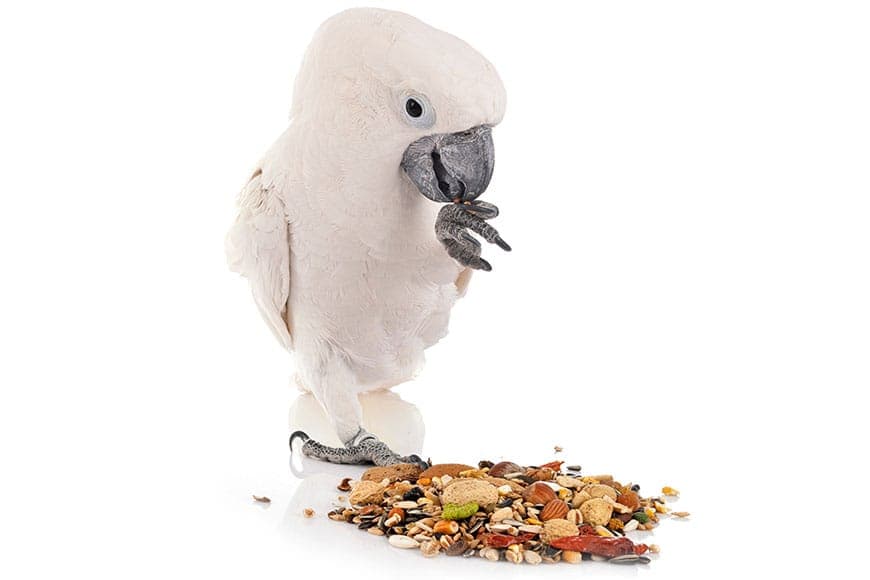
Nutrition is the single biggest lever you hold over your bird's health and lifespan. At Bird Sitting Toronto, where we board hundreds of birds every year, the difference between a bird on a thoughtful, varied diet and one on a bowl of seed is visible from across the room — in feather quality, energy, and the whites of the eyes. This guide breaks down the nutrients your bird actually needs, where they come from, and how to deliver them without guesswork.
Nutrients fall into two groups: macronutrients, which your bird burns for energy and uses to build tissue, and micronutrients — the vitamins and minerals needed in tiny amounts but with outsized consequences when they run short.
Macronutrients: Fuel for Energy and Growth
Macronutrients provide the calories and raw material for daily life, molting, and (in breeding birds) egg production. There are three:
- Carbohydrates supply ready energy for flight, foraging, and play. Whole grains, legumes, and vegetables are far better sources than sugary fruit.
- Protein builds and repairs muscle, organs, and feathers — feathers are roughly 90% protein, which is why molting birds have higher needs. Cooked egg, legumes, and a quality pellet cover this.
- Fat is concentrated energy and the carrier for the fat-soluble vitamins A, D, E, and K. Birds need it, but most companion parrots need far less than an all-seed diet provides. Excess fat drives obesity and fatty liver disease, two of the most common problems avian vets see.
Micronutrients: Small Doses, Large Consequences
Vitamins and minerals run the machinery — metabolism, immunity, nerve signaling, bone formation, and blood clotting. Birds cannot synthesize most of them, so they have to come from the diet. The classic cautionary tale is vitamin A: the Merck Veterinary Manual identifies hypovitaminosis A (vitamin A deficiency) as one of the most common nutritional disorders in seed-fed pet birds, showing up as sinus infections, poor feather color, and thickened, blunted mouth tissue. Orange and dark-green vegetables fix it easily.
How a Good Diet Actually Delivers These Nutrients
You do not have to hand-balance every vitamin. A well-formulated pellet is engineered to supply this entire micronutrient list in the right ratios, which is why avian nutrition sources such as Lafeber and VCA Animal Hospitals recommend a pellet-based diet as the foundation for most companion parrots.
The house standard we work from for a typical parrot:
- Pellets: about 75-80% of the diet. This is the reliable, fortified base.
- Fresh, vegetable-forward foods: about 20-25%. Leafy greens, orange veg, legumes, sprouts, and a little fruit — variety here supplies the antioxidants and plant compounds pellets can't fully replicate.
- Seeds and nuts: around 5%, as treats and for training. Nutritious in small amounts, but a diet built on them is fat-heavy and vitamin-poor.
Some species are exceptions and should not be pushed onto a standard pellet plan:
- Lorikeets need a specialized nectar diet, not pellets, and should avoid high-iron foods.
- Eclectus are sensitive to synthetic additives and do best on a strongly vegetable-forward, whole-food diet.
- Finches and canaries (passerines) do well on a quality seed mix as a staple, rounded out with pellets, greens, and egg food; they are hands-off birds.
- Budgies and cockatiels should still be mostly pellets, but they convert slowly and stubbornly — go gradually and lean hard on veg and sprouts during the transition.
Warning: An all-seed diet is the most common preventable cause of illness in pet parrots. Seeds are high in fat and low in vitamin A, calcium, and most micronutrients. Over months to years this drives obesity, fatty liver, and vitamin A deficiency. If your bird is on seed only, transition slowly under guidance from an avian veterinarian — never starve a bird onto pellets.
Micronutrient Reference Table
Use this as a shopping and rotation guide for the fresh 20-25% of the diet. Think of it as the produce that complements the pellet base, not a replacement for it.
| Nutrient | Benefit | Whole-food sources |
|---|---|---|
| Vitamin A | Vision, immunity, skin, and healthy mouth and respiratory tissue | Carrots, sweet potato, yams, spinach, kale, broccoli, mango, papaya |
| Vitamin C | Antioxidant and collagen support; most birds make their own, so it is rarely required in the diet but can help during illness or stress | Bell peppers, citrus, broccoli, leafy greens |
| Vitamin D3 | Enables calcium absorption and bone health | Unfiltered natural sunlight or full-spectrum lighting, cooked egg yolk, fortified pellets |
| Vitamin E | Antioxidant; supports nerve and muscle health | Wheat germ, leafy greens, cooked egg, whole grains, almonds |
| Biotin (B7) | Fat and carbohydrate metabolism; feather and skin quality | Cooked egg yolk, soybeans, peanuts, oats, banana |
| Vitamin K | Blood clotting and bone formation | Spinach, turnip greens, broccoli, soybeans |
| Thiamine (B1) | Nervous system and heart function | Soybeans, alfalfa, dark leafy greens, whole grains |
| Riboflavin (B2) | Converts food to energy; vision and skin | Almonds, cooked egg, leafy greens, fortified pellets |
| Niacin (B3) | Cellular energy; feather and skin health | Peanuts, barley, sunflower seeds, brewer's yeast |
| Pantothenic acid (B5) | Metabolism of fats and carbohydrates | Cooked egg, corn, lentils, soybeans |
| Vitamin B6 | Amino-acid metabolism and red-blood-cell function | Wheat germ, hazelnuts, soybeans, whole grains |
| Vitamin B12 | Red-blood-cell formation; comes only from animal sources | Cooked egg, small amounts of cooked meat or fish, fortified pellets |
| Folate | Red-blood-cell development and DNA synthesis | Sprouts, wheat germ, almonds, asparagus |
| Calcium | Bone structure, muscle function, egg production | Cuttlebone, mineral block, kale, turnip greens, broccoli, crushed eggshell |
| Phosphorus | Energy metabolism and bone formation | Pumpkin seeds, peanuts, whole grains, legumes |
| Magnesium | Works with calcium for bone health; enzyme function | Dark leafy greens, whole grains, almonds |
A quick note on the animal-source and dairy foods above: offer them only in small amounts and occasionally. Birds lack the enzyme lactase and do not digest milk sugar well, so avoid milk and soft dairy; a nibble of hard cheese or plain yogurt is tolerated by many birds but is never a staple. For the practical B12 and D3 delivery in a largely plant-eating bird, a fortified pellet does the job.
Supplements: When to Add Them, and When Not To
If your bird is already eating a formulated pellet, it is almost certainly getting enough vitamins and minerals — and more is not better. The fat-soluble vitamins A and D3 accumulate in the body, and over-supplementing them can cause hypervitaminosis, a genuine toxicity that damages the kidneys and soft tissue. Powdered multivitamins sprinkled on food, or added to drinking water, are a common way birds get too much.
Tip: Do not add vitamin or mineral supplements to a pellet-fed bird's diet unless an avian veterinarian recommends them for a specific reason (for example, extra calcium for a chronically egg-laying hen). A cuttlebone or mineral block for free-choice calcium is the one safe exception most birds benefit from. Hookbill parrots do not need grit — it does not aid their digestion and can cause dangerous crop impaction.
Why Balanced Nutrition Matters
A varied, vegetable-forward diet on a solid pellet base gives your bird everything on this list — and shows up as a strong immune system, vivid feathers, steady weight, and good bone and brain health. Because birds cannot manufacture most of these nutrients themselves, that variety is not a luxury; it is the whole game.
Build the plate around a quality pellet, add a rotating mix of the vegetables and whole foods above, and keep clean fresh water available at all times. When possible, choose organic produce to cut pesticide exposure, and check with an avian veterinarian to tailor the plan to your bird's species, age, and activity level. For the bigger picture, see our guide to balanced bird nutrition and the parrot food groups.
Explore related topics
Related Articles
Can Parrots Eat Human Food? A Complete Guide to Sharing Meals
Your parrot wants to eat off your plate. Which human foods are safe to share and which are dangerous?
The Complete Guide to Parrot Pellets: Brands, Conversion, and Myths
Pellets should be 50-70% of your parrot's diet, but not all pellets are equal. Here's everything you need to know.
Cooking for Your Parrot: 15 Recipes and Meal Ideas They'll Love
Variety is the spice of your parrot's diet. These easy recipes make feeding time exciting and nutritious.