DIY Bird Chop Meal Prep: A Complete Beginner's Guide with 5 Recipes
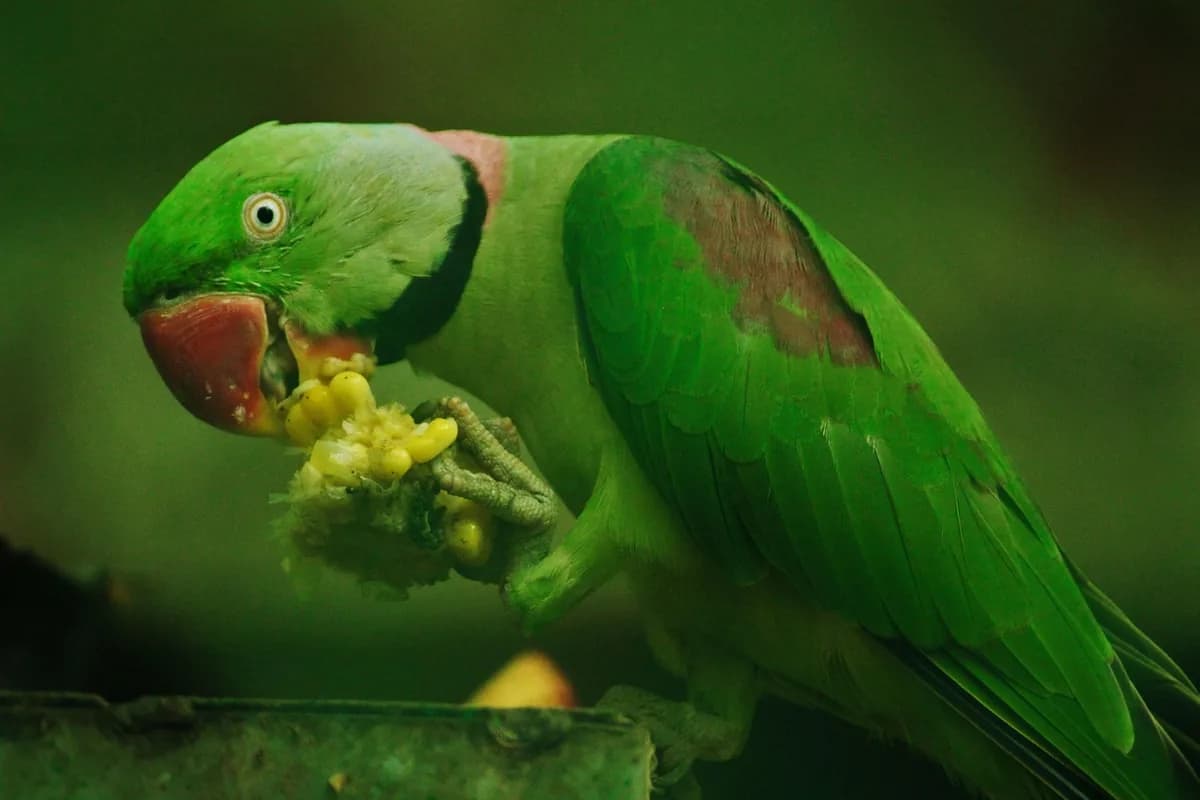
Transform Your Bird's Diet with Fresh, Nutritious Chop
If you've been feeding your feathered friend the same pellets and occasional fresh treats, it's time to discover the game-changing world of bird chop. This nutrient-packed meal prep method has revolutionized how bird parents approach their pets' nutrition, and at Bird Sitting Toronto, we've seen firsthand how much birds love these colorful, varied meals.
Bird chop is essentially a finely chopped mixture of fresh vegetables, fruits, grains, and legumes that provides your bird with a diverse array of nutrients in every bite. Think of it as a superfood salad specifically designed for your feathered companion. The beauty of chop lies in its versatility and convenience—you can prepare large batches ahead of time, freeze them in portion-sized servings, and have nutritious meals ready whenever your bird needs them.
What Exactly Is Bird Chop?
Bird chop gets its name from the chopping process that breaks down ingredients into small, manageable pieces perfect for birds of all sizes. Unlike traditional seed-heavy diets, chop emphasizes fresh, whole foods that mirror what birds might forage for in the wild. The fine texture ensures that even picky eaters can't easily pick out their favorite pieces while leaving the nutritious vegetables behind.
The concept originated from avian nutritionists who recognized that many pet birds suffer from vitamin deficiencies and poor nutrition despite their owners' best intentions. By combining multiple ingredients into one cohesive meal, chop ensures your bird receives balanced nutrition with every bite.
Essential Equipment for Chop Meal Prep
Before diving into recipes, let's gather the tools that will make your chop-making journey smooth and efficient:
Food Processor or High-Speed Blender: This is your most important tool. A food processor works best for achieving the ideal texture—small, uniform pieces that aren't pureed. If you only have a blender, pulse carefully to avoid creating a smoothie consistency.
Ice Cube Trays: These become your portion-control heroes. Standard ice cube trays work perfectly for most bird sizes, while mini ice cube trays are ideal for smaller birds like budgies or cockatiels.
Freezer-Safe Storage Bags: Heavy-duty freezer bags or airtight containers will keep your chop fresh for months. Label everything with dates and recipe names.
Sharp Knives and Cutting Boards: For initial prep work before the food processor takes over.
Kitchen Scale: While not essential, weighing ingredients helps ensure consistent batches and proper nutrition ratios.
Recipe 1: Basic Green Chop
This foundational recipe introduces your bird to the world of chop with familiar, mild flavors.
Ingredients:
- 2 cups fresh broccoli florets
- 1 cup chopped kale (stems removed)
- 1 cup frozen peas (thawed)
- 1 cup fresh green beans, chopped
- 1/2 cup cooked quinoa (cooled)
Preparation Steps:
- Steam broccoli and green beans until just tender (about 5 minutes). Let cool completely.
- In your food processor, pulse the kale until finely chopped.
- Add broccoli, green beans, and peas. Pulse until everything reaches a uniform, small chop consistency.
- Fold in the cooked quinoa by hand to maintain its texture.
- Spoon mixture into ice cube trays, pressing gently to remove air pockets.
- Freeze for 24 hours, then transfer cubes to labeled freezer bags.
Storage: Keeps frozen for up to 6 months Serving Size: 1-2 cubes for small birds, 3-4 cubes for medium birds, 5-6 cubes for large birds
Recipe 2: Tropical Chop
Bring some sunshine to your bird's bowl with this colorful, vitamin-rich blend.
Ingredients:
- 1 large sweet potato, cooked and cooled
- 1 cup fresh mango, diced
- 1 red bell pepper, chopped
- 1/2 yellow bell pepper, chopped
- 1/2 cup cooked brown rice (cooled)
Preparation Steps:
- Bake sweet potato at 400°F for 45 minutes until tender. Cool and remove skin.
- Dice mango and bell peppers into small pieces.
- In food processor, pulse sweet potato until chunky (not smooth).
- Add peppers and pulse briefly to maintain some texture.
- Hand-mix in mango pieces and brown rice.
- Portion into ice cube trays and freeze as above.
Storage: Keeps frozen for up to 4 months (mango reduces shelf life slightly) Serving Size: Same as Basic Green Chop
Pro Tip: Always let cooked grains cool completely before mixing to prevent the chop from becoming mushy when frozen.
Recipe 3: Bean & Grain Chop
This protein-rich recipe supports healthy feather development and provides sustained energy.
Ingredients:
- 1/2 cup cooked lentils (cooled)
- 1/2 cup cooked chickpeas (cooled)
- 1/2 cup cooked barley (cooled)
- 2 large carrots, chopped
- 1 cup corn kernels (fresh or frozen)
Preparation Steps:
- If using dried legumes and grains, cook according to package directions and cool completely.
- Steam carrots until slightly tender but still crisp.
- In food processor, pulse carrots and corn until chopped but not pureed.
- Add lentils and chickpeas, pulsing briefly to break them down slightly.
- Hand-fold in barley to maintain its chewy texture.
- Freeze in portions as previous recipes.
Storage: Keeps frozen for up to 6 months Serving Size: Same as previous recipes
Recipe 4: Autumn Harvest Chop
Perfect for fall and winter, this recipe provides warming nutrients and seasonal flavors.
Ingredients:
- 2 cups butternut squash, cubed and roasted
- 1/4 cup unsweetened dried cranberries
- 1/2 cup cooked steel-cut oats (cooled)
- 1 medium beet, cooked and chopped
- 1 apple, cored and diced (leave skin on)
Preparation Steps:
- Roast butternut squash at 400°F for 25 minutes until tender.
- Boil beet until fork-tender (about 45 minutes), cool, and remove skin.
- Soak cranberries in warm water for 10 minutes to soften, then drain.
- In food processor, pulse squash and beet until chunky.
- Add apple pieces and pulse briefly.
- Hand-mix in oats and cranberries.
- Freeze in portions.
Storage: Keeps frozen for up to 5 months Serving Size: Same as previous recipes
Recipe 5: Sprouted Power Chop
This nutrient-dense recipe is perfect for birds needing extra nutrition during molting or breeding season.
Ingredients:
- 1 cup sprouted mung beans
- 1/2 cup cooked quinoa (cooled)
- 1/2 cup radish sprouts
- 2 tablespoons hemp seeds
- 1 cup mixed leafy greens (spinach, arugula, lettuce)
Preparation Steps:
- Rinse all sprouts thoroughly in cold water.
- In food processor, pulse leafy greens until finely chopped.
- Add mung bean sprouts and pulse until broken down but not mushy.
- Hand-fold in radish sprouts, quinoa, and hemp seeds.
- Freeze immediately to preserve sprouted nutrition.
Storage: Keeps frozen for up to 3 months (sprouts have shorter shelf life) Serving Size: Same as previous recipes
Important: Always rinse sprouts thoroughly before use and ensure they smell fresh. Discard any sprouts that smell sour or look slimy.
Master Shopping List
Fresh Vegetables & Fruits:
- Broccoli florets
- Kale
- Green beans
- Bell peppers (red and yellow)
- Carrots
- Butternut squash
- Beet
- Apple
- Fresh mango
- Mixed leafy greens
Frozen Items:
- Peas
- Corn kernels
Pantry Staples:
- Quinoa
- Brown rice
- Steel-cut oats
- Barley
- Dried lentils
- Dried chickpeas
- Unsweetened dried cranberries
- Hemp seeds
Fresh Sprouts:
- Mung bean sprouts
- Radish sprouts
Serving and Storage Guidelines
When serving chop to your bird, thaw only what you need for 1-2 days. Thawed chop should be consumed within 48 hours and kept refrigerated. Never refreeze thawed chop.
Start by offering small amounts alongside your bird's regular diet. Some birds take time to accept new foods, so patience is key. Mix chop with familiar foods initially, gradually increasing the proportion as your bird becomes more adventurous.
The serving sizes provided are guidelines—adjust based on your bird's size, activity level, and appetite. Active, larger birds may need more, while smaller or less active birds may need less.
Final Thoughts
Creating nutritious chop for your bird doesn't have to be complicated or time-consuming. With these five recipes in your meal prep arsenal, you can provide your feathered friend with months of varied, healthy meals. Start with the Basic Green Chop if your bird is new to fresh foods, then gradually introduce the other flavors.
Remember that every bird has preferences, just like people do. Don't be discouraged if your bird doesn't immediately embrace every recipe. Keep offering variety, and you'll likely find that your bird develops favorites while still benefiting from the nutritional diversity that chop provides. The investment in time and effort will pay off in your bird's improved health, energy, and happiness.
Explore related topics
Related Articles
Can Parrots Eat Human Food? A Complete Guide to Sharing Meals
Your parrot wants to eat off your plate. Which human foods are safe to share and which are dangerous?
The Complete Guide to Parrot Pellets: Brands, Conversion, and Myths
Pellets should be 50-70% of your parrot's diet, but not all pellets are equal. Here's everything you need to know.
Cooking for Your Parrot: 15 Recipes and Meal Ideas They'll Love
Variety is the spice of your parrot's diet. These easy recipes make feeding time exciting and nutritious.