Feeding Your Conure: A Complete Diet and Nutrition Guide
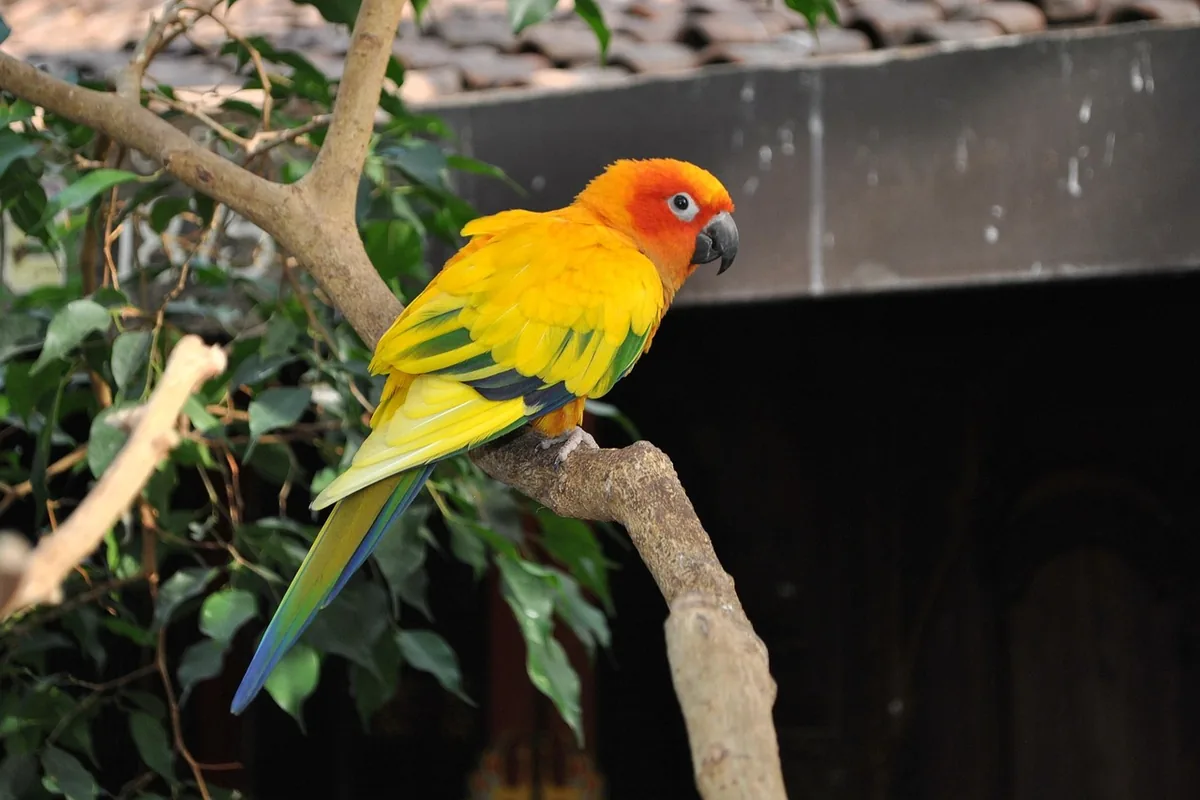
A conure eats like it plays — enthusiastically, messily, and with strong opinions. That enthusiasm is a gift, because a well-fed conure is a healthier, calmer, less feather-destructive bird. The catch is that conures adore seeds and sunflower kernels the way a child adores candy, and a seed-heavy diet is the single most common thing that shortens a conure's 20-30 year life. This guide covers what they actually need and how to get them there.
What a Conure Needs
Conures are active little parrots with fast metabolisms and a genuine sweet tooth. In the wild, Pyrrhura and Aratinga species range across Central and South America eating fruit, seeds, flowers, and vegetation. In your home, the goal is that same variety without the fat and sugar overload of an all-seed bowl. Two conure-specific quirks are worth flagging up front: they are prone to boredom-driven feather plucking, so foraging for food is as much enrichment as nutrition; and there is a debated condition called conure bleeding syndrome that avian veterinary consensus links tentatively to calcium and vitamin K, which is one more reason a produce-rich diet (leafy greens supply both) matters here.
The Pellet House Standard
Formulated pellets are the foundation because, unlike a seed mix, a bird cannot pick out its favorites and leave the rest. Every bite is nutritionally complete. Aim for:
| Food group | Share of diet | Examples |
|---|---|---|
| Formulated pellets | 75-80% | Harrison's, Roudybush, TOP's, Lafeber |
| Fresh vegetables & greens | 15-20% | Kale, broccoli, carrot, sweet potato, bell pepper, snap peas |
| Fresh fruit | ~5% | Blueberries, mango, papaya, apple (no seeds) |
| Seeds & nuts | ~5%, treats only | A few millet strands or an almond sliver for training |
Choose a pellet sized for a small-to-medium parrot or "cockatiel/conure" grade. Both naturally colored and plain pellets are fine for conures — unlike eclectus, they don't have a special sensitivity to dyes.
Tip: Warm, brightly colored food gets eaten first. Conures are drawn to red and orange, so anchor your chop with bell pepper, carrot, and sweet potato and you'll win over a fussy eater faster.
Safe Foods to Offer Freely
- Vegetables (the backbone): kale, collard, dandelion and mustard greens, broccoli, carrot and carrot tops, sweet potato (cooked), bell peppers (any color, seeds and all — they're not spicy to birds), snap peas, zucchini, green beans, bok choy, squash.
- Fruit (smaller portions — high sugar): blueberries, mango, papaya, banana, apple (seeds removed), pomegranate, melon, seedless grapes, berries.
- Cooked grains & legumes: cooked quinoa, brown rice, whole-grain pasta, oats, well-cooked lentils and chickpeas.
- Occasional protein: a little scrambled or hard-boiled egg is a good source, especially useful during molt.
- Sprouts: sprouted seeds and legumes are a nutritional powerhouse and a brilliant bridge food for a seed addict — living, fresh, and far better than dry seed.
Toxic Foods — Never Feed These
Some human foods are not just unhealthy for a conure, they are lethal. Learn this list cold:
| Food | Why it's dangerous |
|---|---|
| Avocado | Contains persin, which causes heart failure in birds — often fatal within hours |
| Chocolate | Theobromine and caffeine cause seizures, arrhythmia, death |
| Coffee, tea, energy drinks | Caffeine overstimulates a bird's heart |
| Alcohol | Toxic to the liver and nervous system; even a sip is dangerous |
| Onion & garlic | Cause oxidative damage to red blood cells — hemolytic anemia |
| Fruit pits & apple seeds | Cherry, peach, apricot pits and apple seeds are cyanogenic (release cyanide) |
| Salt & salty snacks | Tiny bodies can't process the sodium load; causes dehydration and kidney strain |
| Uncooked/dried beans | Raw beans contain phytohaemagglutinin, a potent toxin — cook thoroughly |
| Mushrooms | Several varieties cause digestive and liver toxicity |
| Fruit stones, xylitol, fried/fatty foods | All off the menu |
Warning: When in doubt, leave it out. A conure weighs 60-280 g — a dose that a human wouldn't notice can be fatal at that size. If your bird ingests any of the above, call an avian vet or emergency clinic immediately; do not wait for symptoms.
Meal Prep and "Chop"
The practical way to feed variety is chop: a big batch of finely chopped vegetables, cooked grains, and a little fruit, mixed together so the bird can't cherry-pick. Make a large batch, portion it into an ice-cube tray or small containers, and freeze. Each morning, thaw a portion and serve fresh alongside the pellet bowl. Turn part of the meal into foraging — tuck greens through the cage bars, hide pellets in a foraging toy, weave millet into a skewer — to burn the mental energy that would otherwise go into plucking.
Transitioning Off Seed
Conures are strongly seed-bonded, so expect this to take weeks, sometimes a couple of months. Never starve a bird onto pellets — a conure can crash quickly if it stops eating.
- Offer pellets in a separate dish beside the usual seed so they become familiar and non-threatening.
- Serve fresh chop first thing in the morning when the bird is hungriest and most willing to try new things.
- Gradually reduce the seed portion over 4-6 weeks, watching that the bird is actually eating pellets and chop, not just holding out.
- Crush a few pellets over a favorite food, or offer them warm and damp, to spark curiosity.
- Weigh weekly on a gram scale. A drop of more than about 10% of body weight means stop, restore seed, and call your vet.
Supplements and Hydration
A conure eating a balanced pelleted diet with plenty of fresh produce generally does not need added vitamin powders — over-supplementation causes its own problems, and dumping supplements in the water breeds bacteria. If your vet identifies a specific deficiency (calcium, for instance, given the bleeding-syndrome concern), supplement on their instruction, not by guesswork.
Provide fresh, clean water at all times and change it at least twice a day — more if your conure enjoys dunking food or bathing in it. A separate shallow bathing dish keeps the drinking water clean and gives your bird the soak it craves. In dry Toronto winters, that extra humidity is good for skin and feathers too.
Explore related topics
Related Articles
Can Parrots Eat Human Food? A Complete Guide to Sharing Meals
Your parrot wants to eat off your plate. Which human foods are safe to share and which are dangerous?
The Complete Guide to Parrot Pellets: Brands, Conversion, and Myths
Pellets should be 50-70% of your parrot's diet, but not all pellets are equal. Here's everything you need to know.
Cooking for Your Parrot: 15 Recipes and Meal Ideas They'll Love
Variety is the spice of your parrot's diet. These easy recipes make feeding time exciting and nutritious.