Complete Nutritional Guide for Feeding Your Pet Bird
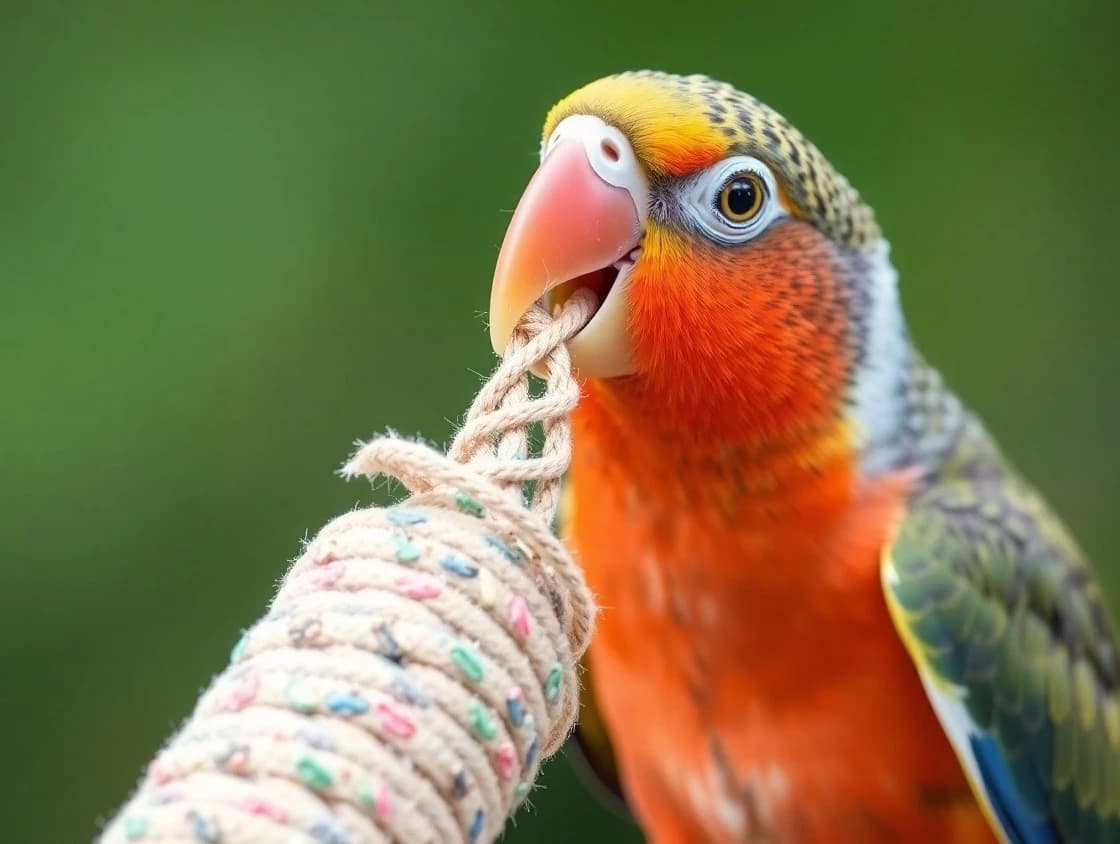
Few things shape a parrot's long-term health more than what lands in the food bowl each morning. At Bird Sitting Toronto, where we board hundreds of birds every year, the single most common diet problem we see is the same one avian veterinarians have warned about for decades: a bowl of nothing but seed. A seed-only diet is the bird equivalent of a child raised on potato chips. It tastes wonderful and slowly starves the body of what it actually needs.
This guide walks you through a balanced daily menu built on modern avian-veterinary consensus, so your bird gets every nutrient it needs without the fat and the nutritional gaps that seed feeding leaves behind. Think of the plan as a simple set of proportions you can eyeball every time you fill the dish.
The Foundation: A Formulated Pellet Diet (75 to 80 percent)
For most companion parrots, a good-quality formulated pellet should make up roughly three-quarters of the daily diet. Pellets are extruded so that every single piece carries the same balanced mix of protein, vitamins, minerals, and carbohydrates. That matters more than it sounds: with a loose seed mix, a clever bird simply picks out the fatty sunflower seeds and leaves the rest, engineering its own deficiency one bite at a time. A pellet does not let it cheat.
The Association of Avian Veterinarians and the Merck Veterinary Manual both recommend a pelleted base for most parrot species. All-seed diets, by contrast, are strongly linked to obesity, vitamin A deficiency (hypovitaminosis A), and fatty liver disease, three of the conditions we most often see cut a companion parrot's life short.
If your bird is currently seed-addicted, do not go cold turkey. Convert slowly over several weeks by mixing an increasing share of pellets into the familiar seed, and watch that the bird is genuinely eating the new food rather than just flinging it. Budgies and cockatiels are famously stubborn converters, so lean on vegetables and sprouts to bridge the change rather than trying to force pellets alone.
Tip: Choose a pellet without artificial dyes when you can. The bright colours are marketing aimed at the human buying the bag, not a nutrient the bird eating it needs.
Fresh Foods: The Vital 20 to 25 percent
The remaining fifth to quarter of the diet is where fresh, whole foods shine. This portion is vegetable-forward, with whole grains, cooked legumes, and a small amount of fruit rounding it out. Variety here mimics the range of foods a wild parrot forages across a day, and it keeps mealtimes interesting for a curious, food-motivated animal.
Leafy Greens and Vegetables
Dark leafy greens and orange or yellow vegetables should make up the bulk of the fresh portion. They are rich in the vitamin A precursors, calcium, and minerals that support vision, bone, skin, and feather health, which is exactly what a seed diet fails to deliver. Fresh is best, but thawed frozen vegetables are a perfectly good substitute.
- Collard, mustard, and turnip greens
- Bok choy, endive, dandelion greens, and parsley
- Broccoli, Brussels sprouts, and green beans
- Carrots, sweet potato, yams, pumpkin, and squash
- Peas, corn, turnips, and hot peppers (birds lack the receptor that makes capsaicin feel hot)
Tip: Choose organic produce where your budget allows, and always wash vegetables thoroughly to reduce pesticide residue before they reach the cage.
Whole Grains and Cooked Legumes
Whole grains keep the entire kernel, including the fibre-rich bran and germ that refined grains lose in milling. Cooked legumes add plant protein and fibre, and pairing beans with grains supplies complete protein, supporting muscle, organ, feather, and beak health.
- Cooked quinoa, brown rice, wild rice, barley, and oat groats
- Amaranth, buckwheat, millet, and bulgur
- Whole-grain pasta and bread in small amounts
- Lentils, mung beans, kidney, navy, and garbanzo beans (always fully cooked)
- Fully cooked egg and tofu
Warning: Never offer raw or dried beans. Uncooked beans contain natural toxins and must be thoroughly cooked before serving.
Fruit: A Small, Sweet Share
Fruit provides vitamin C, potassium, and fibre, but its high sugar content means it belongs at the smaller end of the fresh-food portion. Offer a few pieces as a bright spot in the bowl rather than a heaping serving.
- Berries, banana, mango, papaya, and kiwi
- Melon, pineapple, pomegranate, oranges, and grapes
- Apple, apricot, peach, nectarine, and cherry, with pits and seeds removed
Warning: The pits of stone fruit and the seeds of apples contain cyanogenic compounds that release cyanide when chewed. Always core and pit these fruits before serving.
Seeds and Nuts: Treats, Not Staples (About 5 percent)
Seeds and nuts are nutrient-dense and rich in the omega-3 and omega-6 fatty acids that keep skin and feathers healthy, but they are also very high in fat. A companion parrot burns far fewer calories than its wild cousin flying miles to forage, so seeds and nuts should be an occasional treat capped at roughly five percent of the diet. Used sparingly, they double as excellent foraging rewards and high-value training incentives, which is exactly the job they are best suited for.
- Seeds: flax, hemp, sunflower, safflower, and pumpkin
- Nuts: almonds, walnuts, pecans, hazelnuts, pine nuts, Brazil, and macadamia
Foods That Are Never Safe
Some everyday human foods are toxic to birds, occasionally fatally so. Keep these well away from your parrot, and remember that a bird's small body means even a tiny exposure can carry a large dose.
| Food | Why it is dangerous |
|---|---|
| Avocado | Contains persin, toxic to birds |
| Chocolate | Theobromine, a cardiac and neurological toxin |
| Caffeine (coffee, tea, cola) | Stimulant that overtaxes a small heart |
| Alcohol | Toxic in any amount |
| Onion and garlic | Damage red blood cells |
| Fruit pits and apple seeds | Release cyanogenic compounds when chewed |
| Salt and salty snacks | Cause dehydration and organ strain |
| Uncooked beans | Contain natural toxins until fully cooked |
| Mushrooms | Some varieties cause digestive and liver upset |
A Note on Grit
Contrary to old pet-store advice, hookbilled parrots do not need grit. They shell their food with their beaks before swallowing, so grit serves no purpose, and if a bird over-eats it, the result can be a dangerous crop or gizzard impaction. Finches and canaries are a separate case and may take a small amount, but for any parrot, skip it entirely.
Fresh Water Every Day
Water is not a food group, but it is every bit as essential. It regulates body temperature, transports nutrients and waste, and drives the cellular function that keeps your bird alive. Provide clean, fresh water every single day, and change it the moment food or droppings foul the dish. Your bird draws some moisture from fresh produce, but that never replaces a full, clean water bowl.
Diets Differ by Species
The pellet-based plan above fits most parrots, but a few groups need a genuinely different approach. Feed to the bird in front of you, not to the average.
| Species | What to feed instead |
|---|---|
| Lorikeets and lories | Specialized nectar diet, not pellets; avoid high-iron foods |
| Eclectus | Vegetable-forward whole-food diet; sensitive to synthetic additives |
| Finches and canaries | A quality seed mix as a legitimate staple, plus greens, egg food, and some pellets |
| Budgies and cockatiels | Mostly pellets, but convert slowly using veg and sprouts |
When in doubt, an avian veterinarian can tailor a plan to your particular bird, its species, its age, and its health history. Resources such as Lafeber's avian nutrition guides and the Merck Veterinary Manual echo the same core message we live by at Bird Sitting Toronto: build the diet around a solid pellet foundation, keep the fresh foods varied and vegetable-forward, treat seeds and nuts as the occasional reward, and you will give your bird the strongest possible start on a long, bright, well-fed life.
Explore related topics
Related Articles
Can Parrots Eat Human Food? A Complete Guide to Sharing Meals
Your parrot wants to eat off your plate. Which human foods are safe to share and which are dangerous?
The Complete Guide to Parrot Pellets: Brands, Conversion, and Myths
Pellets should be 50-70% of your parrot's diet, but not all pellets are equal. Here's everything you need to know.
Cooking for Your Parrot: 15 Recipes and Meal Ideas They'll Love
Variety is the spice of your parrot's diet. These easy recipes make feeding time exciting and nutritious.