Diet and Nutrition Guide for Cockatoo
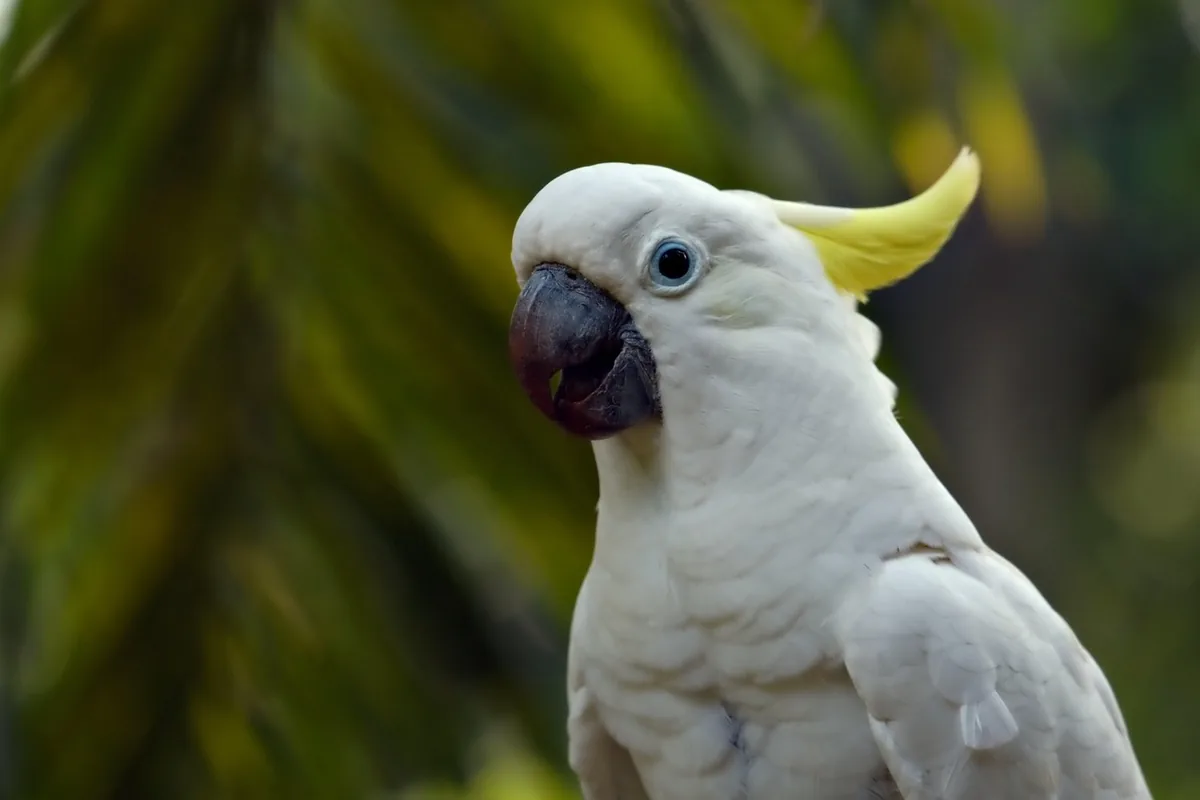
If there is one word that should govern how you feed a cockatoo, it is lean. Cockatoos are among the most obesity-prone parrots in captivity, and a fat cockatoo is not a healthy or happy one — excess weight drives fatty liver disease (hepatic lipidosis), lipomas (benign fatty tumours), and a shortened life. At Bird Sitting Toronto, the boarding birds who arrive overweight are almost always the ones raised on a seed-and-nut diet by owners who meant to spoil them. Feeding a cockatoo well is an act of restraint.
What a Cockatoo Actually Needs
In the wild, cockatoos forage across huge ranges for seeds, roots, nuts, and vegetation, burning enormous energy to find each meal. In your living room, that same appetite for calorie-dense seeds and nuts, without the flying, becomes a fast track to obesity. The captive diet has to be nutritionally complete, low in fat, and structured to make the bird work for food.
The Pellet House Standard for Cockatoos
A quality formulated pellet is the backbone of a good cockatoo diet because it delivers balanced vitamins and minerals in every bite, rather than letting the bird pick out the fatty bits (as it will with any seed mix). Build the diet like this:
| Food Group | Share of Diet | Examples |
|---|---|---|
| Formulated pellets | 75–80% | Harrison's, Roudybush, TOP's, Lafeber |
| Fresh vegetables & greens | 15–20% | Kale, broccoli, carrot, sweet potato, bell pepper, snap peas |
| Fruit (measured) | ~5% | Berries, apple (no seeds), papaya — small amounts |
| Seeds & nuts | ~5%, treats only | A single almond or sunflower seed as a training reward |
Note how small the seed and nut allowance is. For most parrots we treat nuts as an occasional reward; for a cockatoo, that discipline is medical. Reserve nuts and seeds almost entirely for training and foraging motivation, not the food bowl.
Tip: Weigh your cockatoo weekly on a gram scale and keep a simple log. A large white cockatoo typically sits somewhere in the 400–1,000+ g range depending on species, but the trend matters more than the number — a steady climb means it is time to cut fat and add foraging.
Safe Foods to Offer
Lean into vegetables. They should be the exciting part of the bowl, not a garnish.
- Vegetables (feed generously): broccoli, kale, collard and dandelion greens, carrot, sweet potato (cooked), butternut squash, bell peppers, snap peas, green beans, zucchini, bok choy, Brussels sprouts.
- Fruit (feed sparingly, it is sugar): blueberries, raspberries, apple (seeds removed), papaya, mango, pomegranate, a little banana.
- Cooked grains and legumes (small portions): cooked quinoa, brown rice, whole-grain pasta, oats, well-cooked lentils and chickpeas.
- Occasional protein: a little cooked egg.
Toxic Foods — Never Feed These
Some of these are famous; the mechanisms are worth knowing so you take them seriously.
- Avocado — contains persin, which causes heart failure in birds and can be fatal even in small amounts.
- Chocolate — theobromine (and caffeine) cause vomiting, seizures, and cardiac arrest.
- Caffeine — coffee, tea, energy drinks; a cardiac stimulant that birds cannot tolerate.
- Alcohol — no safe dose; depresses the nervous system.
- Onion and garlic — cause oxidative damage to red blood cells and anemia.
- Fruit pits and apple seeds — cherry, peach, apricot, and plum pits plus apple seeds are cyanogenic (release cyanide). The flesh is fine; remove pits and seeds.
- Salt and salty snacks — birds are tiny; salt overloads the kidneys.
- Uncooked/dried beans — contain hemagglutinin, a potent toxin destroyed only by thorough cooking.
- Mushrooms — many species are toxic and the raw fungus can upset the digestive tract.
Warning: If you suspect your cockatoo has eaten anything on this list, treat it as an emergency and call an avian veterinarian immediately. Birds decline fast, and there is no time to "wait and see."
Chop, Meal Prep, and Getting Off Seed
Make chop. A "chop" is a big batch of finely chopped vegetables and cooked grains, mixed and portioned into daily servings you can refrigerate or freeze. Chopping everything fine means the bird cannot pick out favourites and leave the greens — every bite is balanced. Serve the fresh portion in the morning and remove it after a few hours so it doesn't spoil.
Transitioning off seed takes patience — cockatoos raised on seed can resist for weeks or months.
- Offer pellets in a separate dish right next to the familiar seed so the bird sees them as food.
- Serve warm, fresh chop every morning when the bird is hungriest and most willing to experiment.
- Slowly reduce the seed portion over 4–8 weeks, never cutting it off suddenly.
- Try pellets crushed over a favourite food, or model eating them yourself — cockatoos are social eaters.
- Weigh weekly throughout the switch; a bird that stops eating and drops weight needs the seed put back and a slower pace.
Foraging and Hydration
Because cockatoos are so prone to obesity and boredom-driven feather damage, make them forage for food. Wrap pellets and veg in paper, stuff them into foraging toys, and hide portions around the cage so mealtime becomes mental exercise. This burns calories, occupies a busy brain, and is one of the best defences against feather-destructive behavior.
Provide fresh, clean water at all times and change it at least twice daily — cockatoos love to dunk food and foul their bowls quickly. A water bottle alongside the dish helps guarantee a clean source is always available. Supplements are generally unnecessary on a pellet-based diet; a dusty vitamin over pellets can cause over-supplementation, so add them only if your avian vet specifically recommends it.
Explore related topics
Related Articles
Can Parrots Eat Human Food? A Complete Guide to Sharing Meals
Your parrot wants to eat off your plate. Which human foods are safe to share and which are dangerous?
The Complete Guide to Parrot Pellets: Brands, Conversion, and Myths
Pellets should be 50-70% of your parrot's diet, but not all pellets are equal. Here's everything you need to know.
Cooking for Your Parrot: 15 Recipes and Meal Ideas They'll Love
Variety is the spice of your parrot's diet. These easy recipes make feeding time exciting and nutritious.