Cockatiel Diet and Nutrition: Beating the Seed Habit
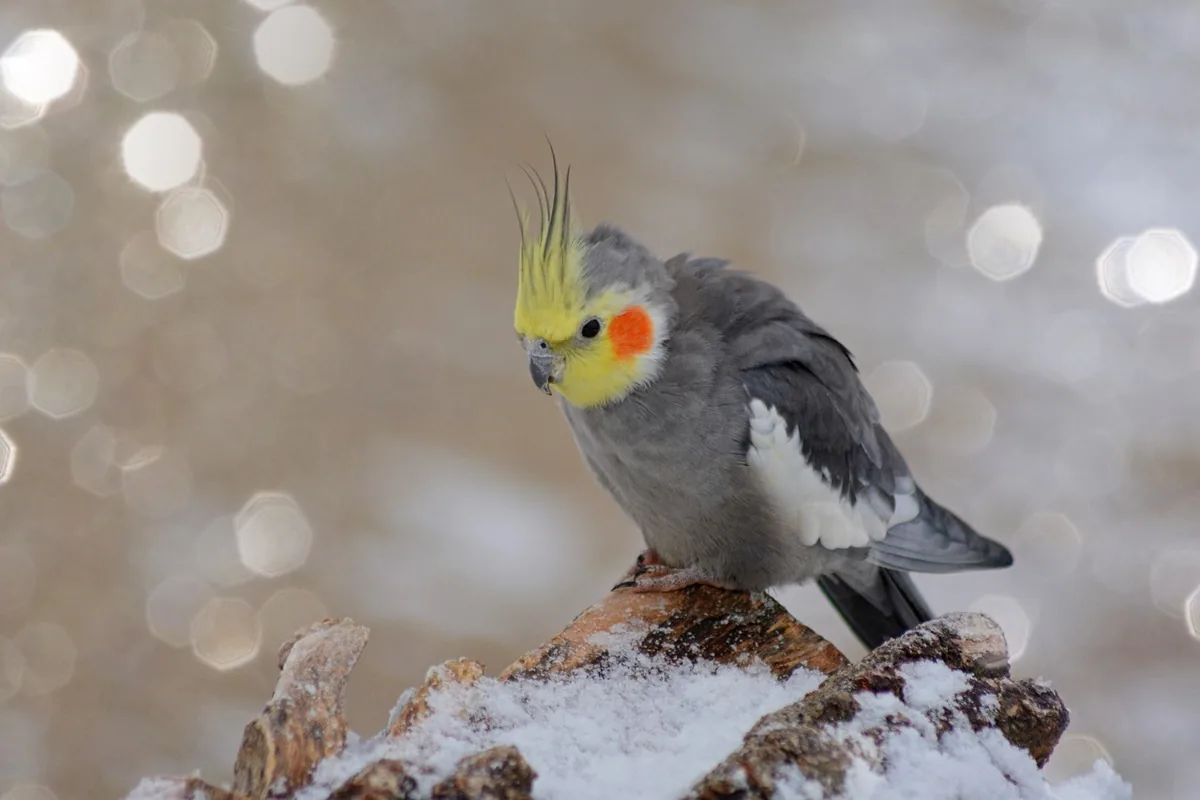
If there is one species where diet makes or breaks a life, it is the cockatiel. These small Australian grass parrots are natural granivores — in the wild they forage seeding grasses across the outback — and that instinct becomes a trap in captivity. Handed a bowl of seed, a cockatiel will eat the fatty favourites and little else. The result is the two conditions we see most in older cockatiels: obesity and fatty liver disease, and vitamin A deficiency. Both are almost entirely preventable at the food bowl.
At Bird Sitting Toronto, where we board hundreds of birds a year, the cockatiels that arrive on an all-seed diet are visibly different from those on a balanced one — duller feathers, softer body condition, and less stamina. The good news: it is fixable at any age.
What a Cockatiel Actually Needs
A cockatiel's dietary priorities are simple to state and harder to execute:
- Control fat. An all-seed diet is essentially a bowl of fat. Cockatiels are strongly obesity-prone and store excess as liver fat.
- Supply vitamin A. Seed is nearly devoid of it. Chronic deficiency damages the respiratory and reproductive tracts and is a leading cause of illness in this species. Orange and dark-green vegetables are the fix.
- Provide calcium, especially for hens, who are prone to chronic egg-laying and can deplete their reserves.
The Pellet House Standard, Applied to Cockatiels
Avian veterinary consensus, echoed by the Association of Avian Veterinarians and Lafeber, is that a formulated pellet should be the backbone of a companion parrot's diet. For cockatiels the target is:
| Food Group | Share of Diet | Examples |
|---|---|---|
| Formulated pellets | 75–80% | Harrison's, Roudybush, TOP's, Lafeber |
| Fresh vegetables (veg-forward) | 15–20% | Sweet potato, carrot, dark leafy greens, broccoli, bell pepper |
| Fresh fruit | small part of the above | Berries, mango, papaya — in moderation |
| Seeds / nuts | ~5%, treats only | Millet spray and sunflower as training rewards |
Note the deliberate emphasis on vegetables over fruit: fruit is mostly water and sugar, while orange and dark-green vegetables carry the beta-carotene a cockatiel converts to vitamin A. Sweet potato, cooked squash, carrot, kale, and dandelion greens are the heavy hitters.
Tip: Cockatiels are notoriously slow to accept vegetables. Offer them chopped small, warm, or clipped to the bars near a favourite perch, and serve first thing in the morning when your bird is hungriest.
Safe Everyday Foods
- Vegetables: sweet potato (cooked), carrot, broccoli, kale, dandelion greens, bok choy, bell pepper, peas, zucchini, squash, cooked pumpkin.
- Fruit (in moderation): blueberries, raspberries, mango, papaya, melon, apple (no seeds), banana.
- Cooked grains and legumes: brown rice, quinoa, whole-grain pasta, cooked lentils and chickpeas.
- Sprouted seed: a lower-fat, higher-nutrient way to satisfy the seed instinct during a diet transition.
Toxic Foods — Never Feed These
Some foods are dangerous enough to be worth memorizing:
- Avocado — contains persin, which causes heart failure in birds and can kill quickly.
- Chocolate — theobromine is toxic to a bird's heart and nervous system.
- Caffeine — coffee, tea, cola, and energy drinks over-stimulate the avian heart.
- Alcohol — devastating to a tiny liver; even a sip is dangerous.
- Onion and garlic — damage red blood cells and cause anemia.
- Fruit pits and apple seeds — apple, cherry, apricot, and peach pits/seeds are cyanogenic (they release cyanide). Always core apples.
- Salt and salty snacks — a cockatiel's kidneys can't handle the sodium load.
- Uncooked beans — contain hemagglutinin, a natural toxin destroyed only by thorough cooking.
- Mushrooms — several varieties are toxic to birds; avoid entirely.
Warning: If your bird eats any of these, call an avian vet or an animal poison line immediately. A cockatiel weighs only 80–120 g, so a "tiny amount" for a human can be a large dose for the bird.
Meal Prep and "Chop"
The easiest way to feed vegetables consistently is to make chop — a big batch of finely diced vegetables and cooked grains, portioned and frozen. Each morning you thaw a serving, which removes the daily-prep excuse that leads people back to the seed bowl. Keep pieces small so a cockatiel can't just pick out one favourite. Remove fresh food after a few hours to avoid spoilage.
Transitioning Off Seed
Converting a seed addict takes patience — plan on weeks to months, not days. Never crash-diet a cockatiel; a bird that stops eating can develop fatty liver crisis within a day or two.
- Add pellets alongside seed in a separate dish so your bird learns they are food.
- Serve fresh vegetables every morning, experimenting with texture — grated, chopped, warm, or hung.
- Gradually reduce the seed portion over 4–6+ weeks, using millet only as a reward.
- Weigh weekly on a gram scale. A drop of more than about 10% of body weight means slow down and consult your vet.
- Confirm they're eating pellets before removing seed entirely — watch for droppings changing colour toward the pellet, and see food actually consumed.
Supplements and Hydration
On a proper pellet-based diet, most cockatiels do not need vitamin powders, and over-supplementation can cause its own harm — feed the vegetables instead. The one supplement worth discussing with your vet is calcium for laying hens; a cuttlebone or mineral block gives a general source. Provide fresh, clean water at all times, changed at least twice daily, and offer a separate shallow bathing dish so your bird doesn't foul the drinking water.
Get the bowl right and you prevent the very problems that fill avian-vet appointments — a cockatiel eating vegetables and pellets in its first year is a cockatiel far more likely to reach its twenties.
Explore related topics
Related Articles
Can Parrots Eat Human Food? A Complete Guide to Sharing Meals
Your parrot wants to eat off your plate. Which human foods are safe to share and which are dangerous?
The Complete Guide to Parrot Pellets: Brands, Conversion, and Myths
Pellets should be 50-70% of your parrot's diet, but not all pellets are equal. Here's everything you need to know.
Cooking for Your Parrot: 15 Recipes and Meal Ideas They'll Love
Variety is the spice of your parrot's diet. These easy recipes make feeding time exciting and nutritious.