Climbing and Exploration: Why Your Parrot Needs to Move
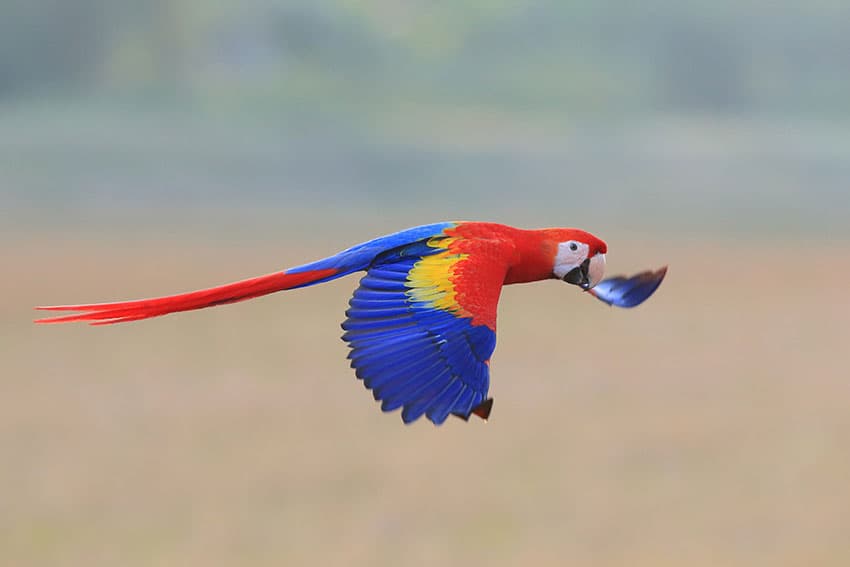
Your Parrot's Need to Move Is More Than Just Exercise
Picture this: your parrot sits motionless on the same perch for hours, barely moving except to eat or drink. Meanwhile, their wild cousins are swinging through canopies, hanging upside down to reach fruit, and navigating complex three-dimensional highways of branches. The difference is striking — and it's impacting your bird's health more than you might realize.
In our experience boarding over 1,000 birds at BST, we see the dramatic difference that proper climbing and exploration opportunities make. Birds who arrive sedentary and cage-bound transform into active, engaged parrots when given the chance to move naturally. Here's why your feathered friend needs to climb, explore, and move — and how to make it happen.
How Parrots Move in the Wild
To understand what your parrot needs, let's look at how they're designed to move. Wild parrots are acrobatic athletes, spending their days navigating a complex three-dimensional world that would challenge even the most skilled gymnast.
Natural Movement Patterns
Climbing: Parrots use their powerful feet and beaks as a four-point climbing system. They grip with their toes while using their beak as an anchor point, allowing them to scale vertical surfaces and navigate tricky angles.
Swinging and Hanging: Those flexible joints aren't just for show. Parrots swing from branch to branch, often hanging completely upside down to reach food or investigate something interesting.
Branch Walking: They don't just perch — they walk, run, and sidestep along branches of varying thicknesses, constantly adjusting their grip and balance.
Multi-level Navigation: Wild parrots move up and down through forest canopies, traveling from ground level to treetops throughout the day.
This constant movement isn't just transportation — it's essential exercise that keeps their muscles strong, joints flexible, and minds engaged.
The Hidden Costs of Cage-Bound Life
When we confine naturally active birds to small spaces with limited movement opportunities, their bodies and minds suffer in predictable ways.
Physical Health Issues
Obesity: Just like humans, inactive parrots gain weight. We see this constantly — birds who arrive at BST overweight often lose excess pounds naturally once they start moving regularly.
Muscle Atrophy: Unused muscles weaken and shrink. Flight muscles are particularly affected, but leg and foot muscles suffer too when birds don't climb and grip regularly.
Foot Problems: This is a big one. Parrots who spend all day on the same smooth dowel perch develop pressure sores, arthritis, and bumblefoot. Their feet need varied surfaces and positions to stay healthy.
Poor Circulation: Lack of movement affects blood flow, leading to cold feet and slower healing from minor injuries.
Behavioral Consequences
Boredom and Frustration: A parrot designed to move through complex environments becomes frustrated when confined to a small space with little stimulation.
Destructive Behaviors: Feather plucking, excessive screaming, and cage aggression often stem from pent-up energy and lack of appropriate outlets.
Mental Decline: Without challenges and exploration, parrots can become depressed and lose their natural curiosity.
Important: Many behavioral problems we see resolve naturally when birds get adequate movement and exploration opportunities.
Setting Up Climbing Opportunities
The good news is that creating climbing opportunities doesn't require a mansion or expensive equipment. Here's how to give your parrot the movement they crave.
Essential Climbing Equipment
Rope Perches: Natural cotton or hemp ropes provide excellent grip variety and can be shaped into curves and spirals. They're perfect for creating climbing highways between cage levels.
Ladders: Both straight and curved ladders give parrots a chance to climb vertically. Look for natural wood ladders with varied rung spacing.
Play Gyms: A well-designed play gym becomes a parrot jungle gym. Choose ones with multiple levels, hanging toys, and varied perch types.
Cargo Nets: These create fantastic climbing walls. Ensure the openings are appropriately sized — large enough that your bird won't get stuck, but small enough for secure gripping.
Creative Climbing Solutions
Branch Networks: Create pathways using natural branches of different diameters. Connect them at various angles to encourage different climbing positions.
Hanging Stations: Suspend perches and toys at different heights to encourage swinging and reaching movements.
Vertical Challenges: Set up climbing towers using PVC pipe and natural wood perches. Your parrot will love the vertical challenge.
The Critical Importance of Perch Variety
Here's something many bird owners don't realize: your parrot's feet need variety to stay healthy. In the wild, they grip hundreds of different branch sizes and textures daily.
Optimal Perch Setup
| Perch Type | Diameter | Benefits |
|---|---|---|
| Thin branches | 1/2 to 3/4 inch | Exercise smaller toe muscles |
| Medium branches | 3/4 to 1.5 inches | Comfortable resting position |
| Thick branches | 1.5 to 3 inches | Stretch feet, prevent pressure sores |
| Flat platforms | Various | Give feet complete rest |
Texture Variety
Natural Wood: Different wood types provide varied textures and hardness levels. Apple, willow, and birch are excellent choices.
Rope: Soft cotton rope gives feet a different gripping experience and helps wear nails naturally.
Mineral Perches: Rough-textured perches help maintain nail length and provide minerals, but use sparingly to avoid foot irritation.
Smooth Surfaces: Include some smooth perches for comfort, but never make them the only option.
Pro Tip: Replace smooth dowel perches with natural branches of varying diameters. Your bird's feet will thank you.
Creating Safe Exploration Zones
Movement shouldn't be limited to the cage. Supervised out-of-cage time is crucial for your parrot's physical and mental health.
Setting Up Exploration Areas
Bird-Proof the Space: Remove toxic plants, secure electrical cords, and eliminate small objects that could be swallowed. Close off access to dangerous areas like kitchens and bathrooms.
Create Vertical Interest: Use tall plants stands, cat trees, or dedicated bird trees to give your parrot different levels to explore.
Provide Landing Spots: Ensure there are safe perching options at various heights so your bird can choose where to rest.
Include Foraging Opportunities: Hide treats in different locations to encourage exploration and natural foraging behaviors.
Supervision Strategies
Start Small: Begin with shorter sessions in a smaller, fully bird-proofed room before expanding to larger areas.
Stay Engaged: Use this time for interaction. Your presence makes exploration more appealing and keeps your bird safe.
Establish Routines: Regular out-of-cage time helps your parrot anticipate and look forward to exploration time.
At BST, we provide 4-6 hours of supervised out-of-cage time daily in our dedicated play areas. The transformation we see in birds is remarkable — they become more confident, physically stronger, and behaviorally balanced.
Signs Your Setup Is Working
You'll know your climbing and exploration setup is successful when you see:
- Your parrot actively choosing different perches throughout the day
- Increased muscle tone and improved posture
- Better foot health with no pressure sores
- More confident, exploratory behavior
- Reduced destructive behaviors
- Better sleep patterns from healthy tiredness
Final Thoughts
Your parrot's need to climb, explore, and move isn't a luxury — it's a biological necessity. By providing varied perching options, climbing opportunities, and safe exploration zones, you're not just preventing health problems; you're giving your bird the chance to express their natural behaviors and live a fuller, happier life.
Remember, the goal isn't to recreate the rainforest in your living room. It's to provide enough variety and opportunity that your parrot can move, climb, and explore in ways that keep their body strong and mind engaged. Start with one or two improvements and gradually build a more dynamic environment. Your parrot's increased activity and improved well-being will be all the motivation you need to continue.
Explore related topics
Related Articles
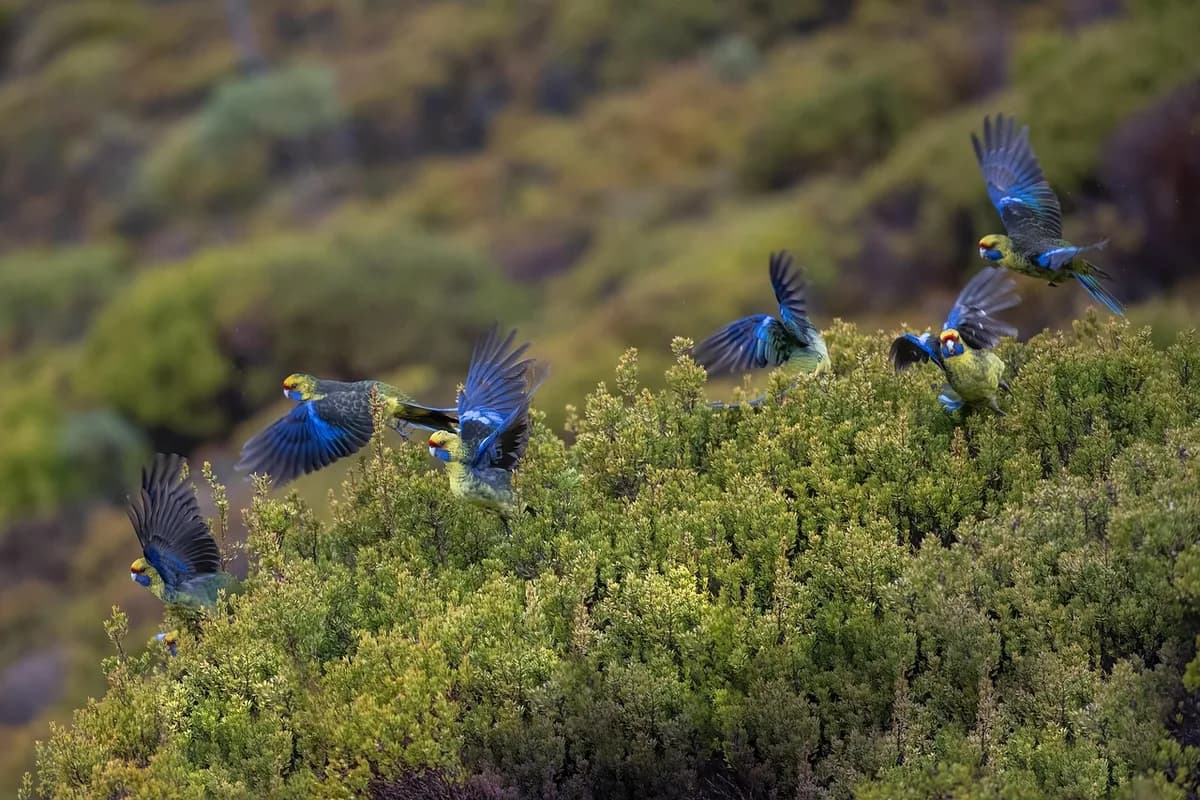
Parrot Foot Health: The Complete Guide to Perches and Exercise
Your parrot's feet are their most important tool. The right perches prevent arthritis, bumblefoot, and pressure sores.
Out-of-Cage Time: How Much Does Your Parrot Really Need?
Cage life isn't enough. Here's the science on out-of-cage time — how much, how to provide it safely, and why it matters.
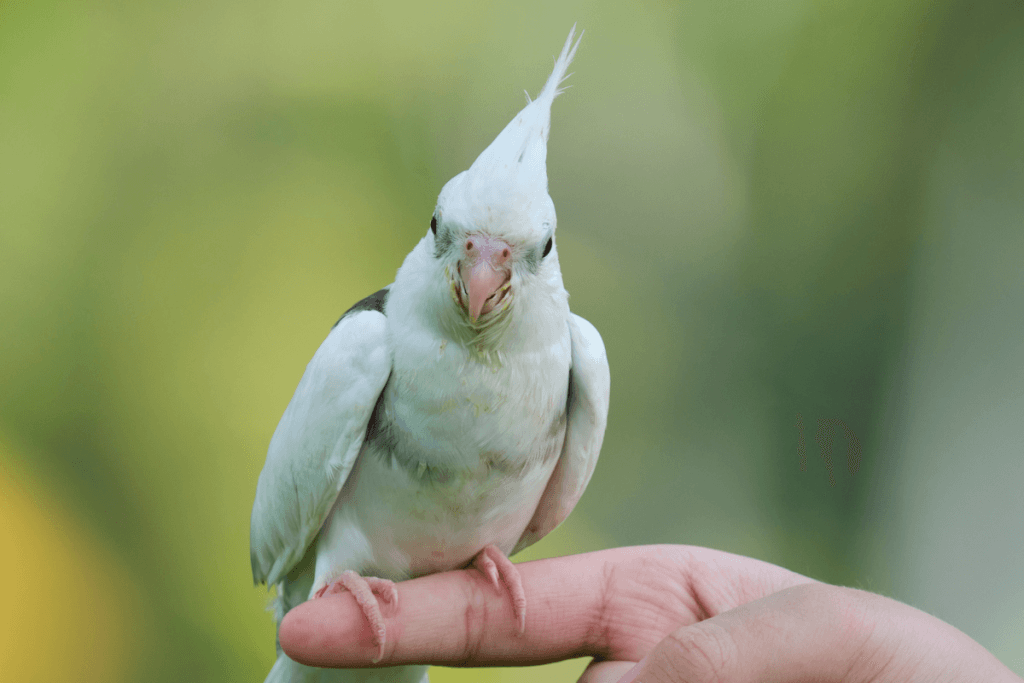
Fun and Easy Ways to Get Your Parrot Moving
Your parrot was built to fly, climb, and forage all day — but cage life makes it easy to become a perch potato. Here's how to turn lazy time into playtime with in-cage climbing, out-of-cage play zones, flapping games, trick training, and a simple daily routine that keeps your bird lean, strong, and mentally sharp.