Canary Diet and Nutrition: Seed, Pellets, Greens, and Egg Food
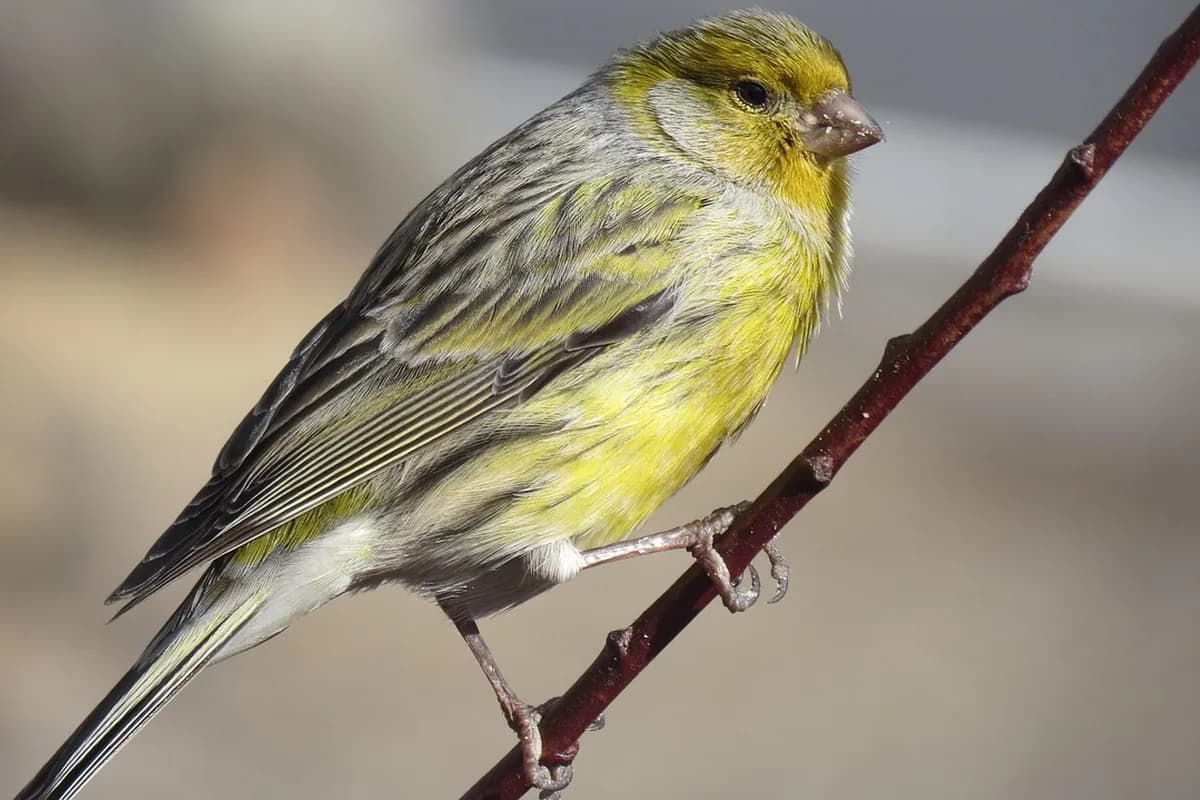
Feeding a canary is genuinely different from feeding a parrot, and getting that distinction right is the single most important thing you can do for your bird's decade-plus of health. Canaries are passerines — small seed-eating song birds — not hookbills. That changes the whole shape of the diet. Where we tell parrot owners to make pellets 75–80% of the bowl, a canary's diet is built on a quality seed mix as a legitimate staple, rounded out with pellets, fresh greens, and — critically during moult and breeding — egg food.
At Bird Sitting Toronto, the diet mistakes we see most often with canaries are the opposite ones: owners who feed nothing but a cheap seed mix and end up with an obese, feather-poor bird, and owners who read parrot advice and try to force a pellet-only diet the bird refuses. The truth sits in the middle, and this guide walks you through it.
What a Canary Actually Needs
A wild canary eats small seeds, grasses, greens, and — when raising young — protein-rich insects. A good home diet mirrors that variety. The goals are simple: keep the bird lean and active (a healthy adult holds at 15–30 g), provide the amino acids and calcium that feathers, song, and eggs demand, and avoid the fat overload that a seed-only bowl delivers.
The Canary Diet Breakdown
Unlike a parrot, the seed mix earns its place at the centre of the bowl here — but it must be a quality canary/finch mix (typically canary grass seed with rape, niger, and small amounts of flax and oats), not a filler-heavy budget bag.
| Food group | Share of diet | Examples |
|---|---|---|
| Quality canary/finch seed mix | ~50% | Canary grass seed, niger, rapeseed, small oats |
| Formulated pellets | ~20–25% | Small-bird pellets (Harrison's Fine, Roudybush Nibles, Lafeber finch) |
| Fresh greens and vegetables | ~20% | Kale, dandelion greens, broccoli, grated carrot, spinach in moderation |
| Egg food (moult/breeding) | as needed | Commercial egg food or hard-boiled egg + shell |
| Sprouted seed | a few times/week | Soaked and sprouted mix seed |
| Treats (extra seed, millet) | ~5% | Spray millet, a few extra niger seeds |
Tip: Offer pellets in a separate dish from the seed. Many canaries will nibble pellets alongside their beloved seed once they are used to seeing them — a gentler path to a balanced diet than trying to eliminate seed, which a canary may simply refuse.
The Role of Egg Food
This is the piece parrot guides never mention. During the annual moult (when a canary regrows every feather and needs a surge of protein) and during breeding, add egg food — either a commercial canary egg food or finely mashed hard-boiled egg. It supplies the protein and calcium for new feathers and eggshells. Offer a small amount 2–3 times a week through the moult, and daily to a hen who is laying. Remove any fresh egg within a couple of hours so it can't spoil.
Safe Fresh Foods
Fresh greens should be offered daily, washed and served in a clip or dish.
- Greens and vegetables: kale, dandelion greens (a canary favourite), broccoli florets, grated carrot, bell pepper, zucchini, peas, bok choy, watercress, cucumber. Spinach and Swiss chard are fine in moderation only (oxalates bind calcium).
- Fruits (small amounts): apple (no seeds), pear, berries, melon (no seeds), a little orange. Fruit is a treat, not a staple — too much sugar loosens droppings.
- Sprouts: sprouted canary mix or broccoli sprouts add live enzymes and are excellent nutrition, especially in moult.
- A cuttlebone clipped to the bars provides free-choice calcium — essential for laying hens and healthy for any bird.
Toxic Foods — Never Offer These
Some of these are fatal in tiny amounts to a 20-gram bird. Keep them well away from the cage and off any shared surface.
| Food | Why it is dangerous |
|---|---|
| Avocado | Contains persin, which causes heart failure in birds — often fatal |
| Chocolate | Theobromine is toxic to the heart and nervous system |
| Caffeine (coffee, tea, cola, energy drinks) | Causes cardiac arrhythmia and hyperactivity |
| Alcohol | Toxic to the liver and nervous system even in trace amounts |
| Onion and garlic | Damage red blood cells, causing anemia |
| Fruit pits and apple seeds | Cyanogenic — release cyanide (cherry, peach, apricot, plum pits; apple pips) |
| Table salt | A bird this small is quickly overwhelmed; causes dehydration and kidney strain |
| Uncooked/dried beans | Contain hemagglutinin, a potent toxin; only fully cooked legumes are safe |
| Mushrooms | Many species are toxic and can cause digestive and liver failure |
Warning: Never give a canary anything from your plate seasoned with salt, onion, or garlic, and remove apple cores and cherry pits before offering fruit. Because a canary weighs so little, a dose that a person wouldn't notice can be lethal to the bird.
Meal Prep and "Chop"
You don't need parrot-scale food prep for a canary, but a simple weekly "chop" makes daily feeding effortless. Finely chop a few safe greens and vegetables, mix in a little sprouted seed, portion into small daily servings, and refrigerate. Serve at room temperature in a clean dish each morning and remove leftovers by midday so nothing ferments. Chopping fine matters — a canary's beak is small, and it will pick at pieces sized for a finch, not a macaw.
Hydration and Supplements
Fresh, clean water must be available at all times and changed at least twice daily — canaries foul and bathe in their water quickly. Provide a separate shallow bath dish so drinking water stays clean.
Most healthy canaries on a varied diet do not need vitamin additives, and over-supplementing (especially fat-soluble vitamins) can do harm. Skip water-soluble vitamin powders that spoil in the dish and encourage bacteria. The two supplements worth keeping on hand are a cuttlebone or mineral block for calcium and, if your vet advises it during breeding or heavy moult, a targeted product they recommend. If you're ever unsure whether your canary's diet is complete, an avian vet can assess body condition in a two-minute exam.
Get the balance right — quality seed at the centre, pellets and greens alongside, egg food when the feathers are growing — and you'll have a lean, bright-eyed bird whose song is the best proof that the diet is working.
Explore related topics
Related Articles
Can Parrots Eat Human Food? A Complete Guide to Sharing Meals
Your parrot wants to eat off your plate. Which human foods are safe to share and which are dangerous?
The Complete Guide to Parrot Pellets: Brands, Conversion, and Myths
Pellets should be 50-70% of your parrot's diet, but not all pellets are equal. Here's everything you need to know.
Cooking for Your Parrot: 15 Recipes and Meal Ideas They'll Love
Variety is the spice of your parrot's diet. These easy recipes make feeding time exciting and nutritious.